South Bay, FL · Palm Beach County
Temperature-Controlled Drying in South Bay, FLDrying Equipment Deployment & Moisture Mapping
Temperature-Controlled Drying in South Bay includes moisture mapping, rapid structural drying services and water damage drying logs from local temperature-controlled drying specialists.
Answered 24/7
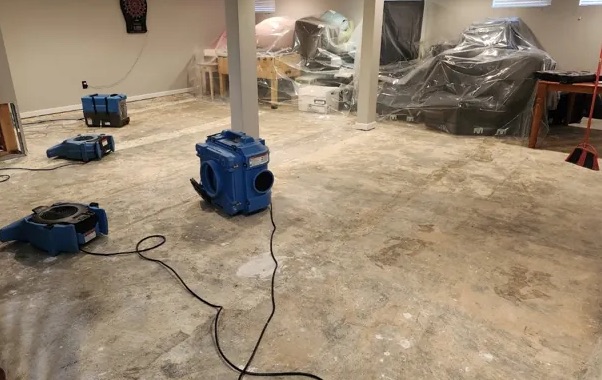
Local Temperature-Controlled Drying Solutions for South Bay Homes
In South Bay, the air itself can slow drying. Local pros run industrial dehumidifiers to strip moisture from the air so wet materials dry faster.
In South Bay and nearby Belle Glade, Pahokee and Canal Point, local pros take baseline moisture readings, then run air movers and dehumidifiers and log moisture levels as they drop.
Comprehensive Temperature-Controlled Drying Solutions for South Bay
Drying Equipment Deployment
The specialists choose the mix of air movers, dehumidifiers and heaters from the size of the area, the materials and the moisture levels, then set it up to run safely.
Moisture Mapping
Systematic testing identifies moisture content percentages in all building materials. The experts compare readings to known dry standards.
Climate-Controlled Drying Systems
Advanced systems allow precise manipulation of the drying environment. By controlling the dew point, the specialists can aggressively dry contents without risk.
Water Damage Drying Logs
The specialists compile drying logs with moisture maps, photos, and readings. This report documents the system's performance and the materials' response, demonstrating a professional approach.
Thermal Drying for Water Damage
The specialists raise the room temperature in a controlled way to drive moisture out of dense materials like concrete slabs and beams, watching readings the whole time.
Signs You Need Professional Temperature-Controlled Drying in South Bay
Equipment Running With No Result
Fans or dehumidifiers that run for days without drying the area mean the moisture is deeper than household equipment can reach.
Paint Peeling or Bubbling Up
Paint loses adhesion and forms bubbles or peels away from the wall. This failure is caused by moisture trapped beneath the paint film.
Discoloration on Drywall or Ceilings
Yellow or brown water stains appear on surfaces that seem dry. These stains suggest moisture is still present inside the wall cavity.
Condensation on Windows or Surfaces
Excess humidity causes water droplets to form on cold surfaces. This condensation confirms the indoor air has too much moisture.
How Temperature-Controlled Drying Works in South Bay
Step 1: Site Evaluation and Equipment Planning
The pros evaluate the site to determine the type and quantity of drying tools needed.
Step 2: Drying Equipment Setup
Industrial air movers and dehumidifiers are set up in the affected zones right away.
Step 3: Controlled Humidity Management
Dehumidifiers pull moist air out of the room, which keeps the air dry enough for materials to keep drying.
Step 4: Progress Tracking With Drying Logs
Temperature, humidity and moisture readings are recorded each day in a drying log.
What Leads to Needing Temperature-Controlled Drying in South Bay
Sprinkler System Activation
A fire sprinkler discharges, releasing a large volume of water quickly. This event saturates entire areas and requires precise air mover placement and strategy.
Poor Ventilation After a Flood
Closing up a wet room traps humid air, which slows drying and lets moisture soak further into materials.
Appliance Malfunction or Overflow
A failed washing machine hose, water heater or dishwasher can release many gallons onto the floor.
Foundation Cracks and Seepage
Hydrostatic pressure forces groundwater through cracks in the foundation wall. This seepage creates a constant dampness that challenges standard drying technology.
Residential & Commercial Temperature-Controlled Drying in South Bay
Residential Temperature-Controlled Drying
In condos and apartments, containment barriers and negative air machines keep moisture from moving into neighboring units while drying runs.
Commercial Temperature-Controlled Drying
Restaurants and food service businesses need rapid, sanitary drying to comply with health regulations after a water event. The pros use specialized equipment and antimicrobial treatments during the drying process.
Professional Temperature-Controlled Drying vs. Do-It-Yourself in South Bay
Photograph all affected areas and items for insurance and move undamaged belongings to a dry room. Drying the structure takes industrial equipment that DIY gear cannot replace.
Investing in Professional Temperature-Controlled Drying in South Bay
In South Bay, the main price factors are how long drying takes and which equipment, such as heaters or desiccants, is used.
Equipment Needs
The number and type of air movers, dehumidifiers and heaters used affect the cost.
Moisture Mapping Complexity
Checking moisture in layered floors or hidden cavities takes more time and equipment.
Access and Logistics
Challenging site access in South Bay can complicate equipment deployment and placement, potentially increasing setup time and labor requirements.
Does Insurance Cover Temperature-Controlled Drying?
The specialists in South Bay provide thorough documentation including moisture mapping data to support a homeowner's claim. Coverage decisions belong to the insurer, so property owners should confirm with their provider.
Selecting Local Specialists for Temperature-Controlled Drying in South Bay
Targeted Thermal Drying
Applying directed heat energy safely accelerates the drying of dense materials, reducing the overall timeline for the restoration project.
24/7 Emergency Response
Quick action is critical to limit secondary damage, and the pros are available around the clock to begin the drying process.
Comprehensive Drying Logs
Detailed, chronological logs of moisture readings and equipment settings provide a transparent record of the entire temperature-controlled drying process.
24/7 Temperature-Controlled Drying for Emergencies in South Bay
For temperature-controlled drying after a leak or flood, call (772) 758-7923 any time. The pros can then start drying the structure.
Call Now (772) 758-7923Temperature-Controlled Drying in South Bay and Other Areas Served
Each place listed below has its own page with local details.
- Temperature-Controlled Drying in Belle Glade
- Temperature-Controlled Drying in Pahokee
- Temperature-Controlled Drying in Canal Point
- Temperature-Controlled Drying in Wellington
- Temperature-Controlled Drying in Loxahatchee Groves
- Temperature-Controlled Drying in Royal Palm Beach
- Temperature-Controlled Drying in Indiantown
- Temperature-Controlled Drying in The Acreage
- Emergency Damage Restoration in 33493
- Storm Damage Restoration in 33493
- Water Damage Restoration in 33493
- Water Extraction Service in 33493
- Water Leak Detection in 33493
- Water Removal Service in 33493
Frequently Asked Questions About Temperature-Controlled Drying
What is the strategy behind air mover placement?
They are angled to move air across wet surfaces in a pattern, so moisture evaporates into the air where dehumidifiers can capture it.
Is temperature-controlled drying safe for electronics or artwork?
Yes, when the pros use low heat and careful humidity control, it can be safe for drying sensitive materials and belongings.
What are water damage drying logs used for?
Drying logs are detailed records of moisture readings, equipment settings, and progress; they provide documentation for the restoration process and are often required for insurance claims.
What are the benefits of rapid structural drying services?
Rapid structural drying minimizes the time materials are wet, reducing the risk of swelling, warping, and secondary damage like mold, which helps preserve property value.
When is climate-controlled drying necessary versus regular drying?
Climate-controlled drying is necessary for severe losses, sensitive materials, or when precise environmental control is needed to prevent damage, unlike simple air drying for minor spills.