Wellington, FL · Palm Beach County
Temperature-Controlled Drying in Wellington, FLWater Damage Drying Logs & Climate-Controlled Drying Systems
In Wellington, Temperature-Controlled Drying from local moisture control experts includes rapid structural drying services, drying equipment deployment, and water damage drying logs for documented recovery.
Answered 24/7
Targeted Temperature-Controlled Drying for Properties in Wellington
In Wellington, water spreads quickly through wood and concrete. Local pros use controlled heat to drive moisture out of those materials faster.
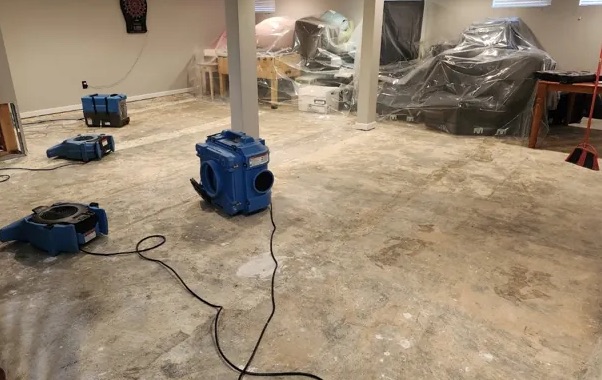
In Wellington and nearby Loxahatchee Groves, Royal Palm Beach and Golden Lakes, fast structural drying stops mold before it starts. Local pros map moisture, then use LGR dehumidifiers and planned air mover placement until readings are normal.
Temperature-Controlled Drying Methods Available in Wellington
Water Damage Drying Logs
The experts in Wellington maintain drying logs as an official record. This data tracks moisture reduction over time and informs any needed adjustments to the drying strategy.
Climate-Controlled Drying Systems
The experts set up systems that control temperature, humidity and airflow together, adjusting them as moisture readings change.
Air Mover Placement for Drying
The experts plan placement around furniture and walls, and may build air dams or blow air into cavities to cut drying time in Wellington homes.
Humidity Control for Restoration
The experts run dehumidifiers to pull water vapor out of the air, which draws more moisture out of wet surfaces and prevents secondary damage.
Thermal Drying for Water Damage
Controlled heat speeds up drying of wet materials in the village of Wellington, which helps prevent swelling wood and failed flooring adhesive.
Indicators for Temperature-Controlled Drying in Wellington Properties
Soft Drywall or Sagging Ceiling
Drywall feels spongy to the touch or a ceiling sags downward. This softness means the material is saturated and structurally compromised.
Cracking of Plaster or Joints
Plaster or drywall joint tape develops new cracks or fissures. These cracks occur as wet materials swell and then contract during drying.
High Humidity Readings Inside
A hygrometer showing unusually high indoor humidity after water damage means the building is still wet.
Equipment Running With No Result
Fans or dehumidifiers that run for days without drying the area mean the moisture is deeper than household equipment can reach.
How Temperature-Controlled Drying Works in Wellington
Step 1: Assessment and Moisture Detection
The pros perform a thorough assessment using thermal imaging and moisture meters. This identifies the full extent of damage, guiding the drying plan.
Step 2: Containment and Airflow Strategy
Plastic barriers close off the wet area so humidity can be controlled, and air movers are placed to move air across wet materials.
Step 3: Thermal Drying System Activation
Specialized thermal drying equipment is activated to gently raise the air temperature in the space.
Step 4: Verification and Structural Drying Completion
Readings are compared with dry areas of the building to confirm drying is complete.
What Leads to Needing Temperature-Controlled Drying in Wellington
Storm-Driven Water Intrusion
Heavy rain overflows gutters or gets in around windows and soaks framing and insulation.
Inadequate Initial Water Extraction
Water left behind after a leak or flood moves into subfloors and walls, where it is harder to dry.
Roof Leak During Heavy Rain
Wind-driven rain through a damaged roof or flashing can run down inside wall cavities, where it needs targeted drying.
Undetected Plumbing Leaks
A slow drip behind a wall or under a slab saturates materials over time.
Temperature-Controlled Drying for Homes and Businesses in Wellington
Residential Temperature-Controlled Drying
At home, moisture hides in attics, crawl spaces and behind finished walls. Pros map it before setting up equipment so the whole house dries.
Commercial Temperature-Controlled Drying
In offices, schools and clinics, pros use quieter drying equipment that can run in occupied spaces, and document when drying is complete.
When to Hire Moisture Control Experts for Temperature-Controlled Drying in Wellington
For a small, recent water spill, use towels to blot surface water and improve air circulation with fans. If water soaks into porous materials like drywall or carpet padding, contact the experts.
Understanding Temperature-Controlled Drying Cost in Wellington
In Wellington, cost depends on how complex the moisture mapping is and how much equipment the area needs.
Drying Time Required
Longer drying periods for climate-controlled systems mean more equipment runtime and monitoring, impacting the overall cost of the restoration project.
Structural Material Types
Porous materials like concrete or dense wood require more aggressive drying strategies and extended monitoring, influencing the project timeline and cost.
Documentation Requirements
Detailed drying logs and moisture reports for insurance take extra time to prepare.
Does Insurance Cover Temperature-Controlled Drying?
Insurance may help pay for drying if the cause is a covered loss. Pros provide moisture maps and equipment records for your insurer, which makes the coverage decision.
Benefits of Local Experts for Temperature-Controlled Drying in Wellington
Strategic Equipment Deployment
Air movers and dehumidifiers are placed according to a plan for even airflow and low humidity.
Structural Drying
The focus is on quickly extracting moisture from structural components to minimize warping, swelling, or the potential for mold growth.
24/7 Emergency Response
Quick action is critical to limit secondary damage, and the pros are available around the clock to begin the drying process.
Round-the-Clock Emergency Temperature-Controlled Drying in Wellington
Don't let moisture settle in. For emergency deployment of drying equipment and strategic air mover placement to start controlled drying, reach the experts directly at (772) 758-7923, available 24/7.
Call Now (772) 758-7923Temperature-Controlled Drying Near Wellington: Communities Served
The pros provide temperature-controlled drying for Wellington and adjacent areas such as Loxahatchee Groves, Royal Palm Beach and Golden Lakes.
- Temperature-Controlled Drying in Loxahatchee Groves
- Temperature-Controlled Drying in Royal Palm Beach
- Temperature-Controlled Drying in Golden Lakes
- Temperature-Controlled Drying in Lake Belvedere Estates
- Temperature-Controlled Drying in Greenacres
- Temperature-Controlled Drying in Kenwood Estates
- Temperature-Controlled Drying in Gun Club Estates
- Temperature-Controlled Drying in Pine Air
- Emergency Damage Restoration in 33414
- Storm Damage Restoration in 33414
- Water Damage Restoration in 33414
- Water Extraction Service in 33414
- Water Leak Detection in 33414
- Water Removal Service in 33414
- Emergency Damage Restoration in 33449
- Storm Damage Restoration in 33449
Frequently Asked Questions About Temperature-Controlled Drying
Is temperature-controlled drying safe for electronics or artwork?
Yes, when the pros use low heat and careful humidity control, it can be safe for drying sensitive materials and belongings.
What is the difference between air movers and dehumidifiers?
Air movers evaporate moisture from surfaces into the air, and dehumidifiers pull it back out of the air.
What are the benefits of rapid structural drying services?
Rapid structural drying minimizes the time materials are wet, reducing the risk of swelling, warping, and secondary damage like mold, which helps preserve property value.
Can rapid drying technology dry a property too quickly?
Yes, excessive heat or airflow can cause surface crusting, cracking, or other material stress, which is why professional drying balances speed with material-specific safety limits.
How does thermal drying for water damage work?
Thermal drying applies carefully managed heat to increase the evaporation rate of moisture trapped within materials, accelerating the drying process while monitored to prevent damage.