Indiantown, FL · Martin County
Temperature-Controlled Drying in Indiantown, FLClimate-Controlled Drying Systems & Rapid Structural Drying Services
Temperature-Controlled Drying in Indiantown by local moisture control experts addresses thermal drying for water damage, climate-controlled drying systems, and moisture mapping to restore property.
Answered 24/7
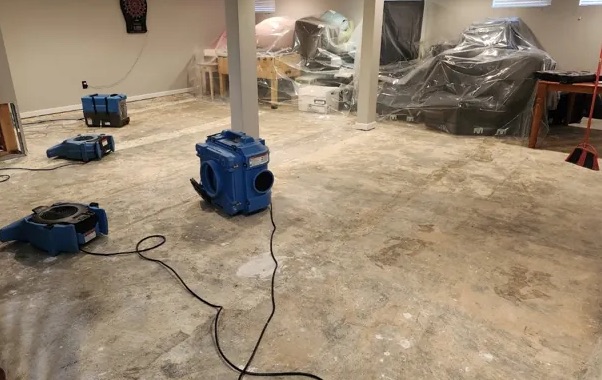
Temperature-Controlled Drying by Local Moisture Control Experts in Indiantown
In Indiantown, slow or uneven drying lets wood rot and drywall soften, which adds cost and keeps you out of your home longer.
In Indiantown and nearby Palm City, Canal Point and Stuart, local pros take baseline moisture readings, then run air movers and dehumidifiers and log moisture levels as they drop.
Advanced Temperature-Controlled Drying Techniques in Indiantown
Climate-Controlled Drying Systems
For complex jobs, the experts use industrial equipment to keep humid air from re-wetting materials, so walls dry all the way through.
Rapid Structural Drying Services
Rapid drying mitigates risk of long-term weaknesses or rot in wooden structures. The experts use specialized techniques like injecting dry air into wall cavities.
Humidity Control for Restoration
The experts run dehumidifiers to pull water vapor out of the air, which draws more moisture out of wet surfaces and prevents secondary damage.
Moisture Mapping
The experts take regular moisture readings throughout the project. This monitoring verifies equipment performance and guides strategy adjustments.
Drying Equipment Deployment
The experts set up LGR dehumidifiers, axial fans and cavity drying systems to work together on the wet structure.
Signs You Need Professional Temperature-Controlled Drying in Indiantown
Equipment Running With No Result
Fans or dehumidifiers that run for days without drying the area mean the moisture is deeper than household equipment can reach.
Condensation on Windows or Surfaces
Excess humidity causes water droplets to form on cold surfaces. This condensation confirms the indoor air has too much moisture.
Cold, Damp Feeling in a Room
A room feels noticeably colder and damper than the rest of the house. This sensation is often due to evaporative cooling from wet materials.
Paint Peeling or Bubbling Up
Paint loses adhesion and forms bubbles or peels away from the wall. This failure is caused by moisture trapped beneath the paint film.
How Temperature-Controlled Drying Works in Indiantown
Step 1: Detailed Moisture Mapping Inspection
The experts use advanced sensors to map all affected areas, including hidden cavities.
Step 2: Strategic Air Mover Deployment
Based on the map, the pros position high-velocity air movers to create optimal airflow across wet surfaces.
Step 3: Climate-Controlled Drying Implementation
Industrial dehumidifiers are deployed to precisely control temperature and humidity in the contained space.
Step 4: Continuous Moisture Monitoring and Logs
Pros take regular moisture readings to track progress, adjusting equipment as needed. Detailed drying logs document the entire process for your records.
Causes of Persistent Dampness Requiring Controlled Drying in Indiantown
Roof Leak During Heavy Rain
Wind-driven rain through a damaged roof or flashing can run down inside wall cavities, where it needs targeted drying.
Appliance Malfunction or Overflow
A failed washing machine hose, water heater or dishwasher can release many gallons onto the floor.
Sprinkler System Activation
A fire sprinkler discharges, releasing a large volume of water quickly. This event saturates entire areas and requires precise air mover placement and strategy.
Undetected Plumbing Leaks
A slow drip behind a wall or under a slab saturates materials over time.
Whole-Property Temperature-Controlled Drying in Indiantown
Residential Temperature-Controlled Drying
At home, the pros dry wall cavities, subfloors and belongings with air movers and dehumidifiers, and keep drying logs for your insurance review.
Commercial Temperature-Controlled Drying
For businesses, rapid drying minimizes downtime and protects inventory, equipment, and building integrity. Large-scale drying systems are implemented to address moisture in offices, retail spaces, and warehouses.
Temperature-Controlled Drying: DIY Risks vs. Professional Care in Indiantown
Ventilating the area by opening windows can help if outdoor humidity is lower than indoors, but this is rarely controlled or sufficient. You can create a list of damaged items for a potential insurance claim.
Cost Considerations for Temperature-Controlled Drying in Indiantown
In Indiantown, the price depends on the square footage, how long drying runs and which drying systems are used.
Equipment Needs
The number and type of air movers, dehumidifiers and heaters used affect the cost.
Structural Material Types
Porous materials like concrete or dense wood require more aggressive drying strategies and extended monitoring, influencing the project timeline and cost.
Documentation Requirements
Detailed drying logs and moisture reports for insurance take extra time to prepare.
Does Insurance Cover Temperature-Controlled Drying?
Many homeowner policies cover temperature-controlled drying when it stems from a sudden, covered peril like a burst pipe. The experts document all damage with photos and moisture readings for your claim submission.
Selecting Local Experts for Temperature-Controlled Drying in Indiantown
Strategic Equipment Deployment
Air movers and dehumidifiers are placed according to a plan for even airflow and low humidity.
Structural Drying
The focus is on quickly extracting moisture from structural components to minimize warping, swelling, or the potential for mold growth.
Ongoing Moisture Monitoring
Regular checks with moisture meters verify that drying goals are met, helping ensure no residual dampness remains within walls or floors.
Round-the-Clock Emergency Temperature-Controlled Drying in Indiantown
Fast drying limits damage to walls and floors. Call (772) 758-7923 anytime, day or night, to get drying equipment set up in Indiantown.
Call Now (772) 758-7923Temperature-Controlled Drying Serving Indiantown and Nearby Areas
Temperature-controlled drying is available for homes in Indiantown and nearby places like Palm City, Canal Point and Stuart.
- Temperature-Controlled Drying in Palm City
- Temperature-Controlled Drying in Canal Point
- Temperature-Controlled Drying in Stuart
- Temperature-Controlled Drying in North River Shores
- Temperature-Controlled Drying in Jupiter Farms
- Temperature-Controlled Drying in Port Salerno
- Temperature-Controlled Drying in Rio
- Temperature-Controlled Drying in River Park
- Emergency Damage Restoration in 34956
- Storm Damage Restoration in 34956
- Water Damage Restoration in 34956
- Water Extraction Service in 34956
- Water Leak Detection in 34956
- Water Removal Service in 34956
Temperature-Controlled Drying Information and FAQs
Why is moisture mapping important for drying?
Sensors measure moisture across the affected area to show exactly where it is wet, so equipment is aimed at the right spots.
How does humidity control aid in restoration?
Drier air pulls water out of wet materials faster, so lowering humidity speeds up drying.
What are water damage drying logs used for?
Drying logs are detailed records of moisture readings, equipment settings, and progress; they provide documentation for the restoration process and are often required for insurance claims.
Can temperature-controlled drying prevent mold growth?
By rapidly removing moisture and controlling humidity, the process creates an environment where mold cannot thrive, significantly reducing the potential for mold.
What does drying equipment deployment involve?
Pros assess the loss, calculate how much equipment is needed and place air movers, dehumidifiers and sometimes heaters.