Palm City, FL · Martin County
Temperature-Controlled Drying in Palm City, FLWater Damage Drying Logs & Thermal Drying For Water Damage
Local moisture control experts provide Temperature-Controlled Drying in Palm City, featuring drying equipment deployment, water damage drying logs, and moisture mapping for precise water damage recovery.
Answered 24/7
Local Temperature-Controlled Drying Solutions for Palm City Homes
In Palm City, slow or uneven drying lets wood rot and drywall soften, which adds cost and keeps you out of your home longer.
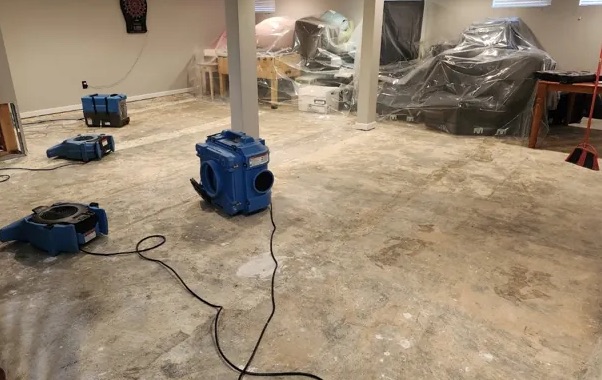
In Palm City and nearby Stuart, North River Shores and Rio, local pros take baseline moisture readings, then run air movers and dehumidifiers and log moisture levels as they drop.
Temperature-Controlled Drying Services in Palm City
Water Damage Drying Logs
The experts compile drying logs with moisture maps, photos, and readings. This report documents the system's performance and the materials' response, demonstrating a professional approach.
Thermal Drying for Water Damage
The experts apply thermal energy to enhance air mover and dehumidifier effectiveness. This lowers relative humidity, creating a stronger force to pull moisture from materials.
Moisture Mapping
The experts take moisture readings at many points and depths to map every wet area and set drying goals, so nothing is missed.
Humidity Control for Restoration
The experts size dehumidifiers from the moisture map, then pair them with air movers to carry moisture away from materials.
Rapid Structural Drying Services
Fast structural drying uses high-velocity air movers, industrial dehumidifiers and sometimes heat, so families in Palm City can return home sooner and mold does not start.
Warning Signs Requiring Temperature-Controlled Drying in Palm City
Discoloration on Drywall or Ceilings
Yellow or brown water stains appear on surfaces that seem dry. These stains suggest moisture is still present inside the wall cavity.
Paint Peeling or Bubbling Up
Paint loses adhesion and forms bubbles or peels away from the wall. This failure is caused by moisture trapped beneath the paint film.
Cracking of Plaster or Joints
Plaster or drywall joint tape develops new cracks or fissures. These cracks occur as wet materials swell and then contract during drying.
Soft Drywall or Sagging Ceiling
Drywall feels spongy to the touch or a ceiling sags downward. This softness means the material is saturated and structurally compromised.
How Temperature-Controlled Drying Works in Palm City
Step 1: Assessment and Moisture Detection
The pros perform a thorough assessment using thermal imaging and moisture meters. This identifies the full extent of damage, guiding the drying plan.
Step 2: Containment and Airflow Strategy
Plastic barriers close off the wet area so humidity can be controlled, and air movers are placed to move air across wet materials.
Step 3: Thermal Drying System Activation
Specialized thermal drying equipment is activated to gently raise the air temperature in the space.
Step 4: Verification and Structural Drying Completion
Readings are compared with dry areas of the building to confirm drying is complete.
Common Causes Requiring Structural Drying in Palm City
Undetected Plumbing Leaks
A slow drip behind a wall or under a slab saturates materials over time.
Roof Leak During Heavy Rain
Wind-driven rain through a damaged roof or flashing can run down inside wall cavities, where it needs targeted drying.
Inadequate Initial Water Extraction
Water left behind after a leak or flood moves into subfloors and walls, where it is harder to dry.
Foundation Cracks and Seepage
Hydrostatic pressure forces groundwater through cracks in the foundation wall. This seepage creates a constant dampness that challenges standard drying technology.
Residential & Commercial Temperature-Controlled Drying in Palm City
Residential Temperature-Controlled Drying
Residential restoration focuses on saving personal items and preventing long-term odors in living areas and bedrooms. The specialists employ thermal drying for water damage to gently yet effectively dry contents and building materials.
Commercial Temperature-Controlled Drying
In commercial settings, uncontrolled humidity can damage sensitive electronics, documents, and finished goods. The pros implement humidity control for restoration to create optimal drying conditions for diverse materials.
Temperature-Controlled Drying vs. DIY Drying in Palm City
A home's HVAC on 'fan only' mode can circulate air, but it is not a substitute for professional drying. A wet-dry vacuum can remove standing water from a very localized incident.
Cost Considerations for Temperature-Controlled Drying in Palm City
In Palm City, cost depends on how far the moisture spread and how many rooms need drying equipment and monitoring.
Moisture Mapping Complexity
Checking moisture in layered floors or hidden cavities takes more time and equipment.
Drying Time Required
Longer drying periods for climate-controlled systems mean more equipment runtime and monitoring, impacting the overall cost of the restoration project.
Extent of Water Damage
The larger the area that needs drying, the more equipment and labor the job takes.
Does Insurance Cover Temperature-Controlled Drying?
The experts keep moisture readings and drying logs to support a claim. Policies differ, so verify coverage with your insurance representative.
Selecting Moisture Control Experts for Temperature-Controlled Drying in Palm City
Comprehensive Drying Logs
Detailed, chronological logs of moisture readings and equipment settings provide a transparent record of the entire temperature-controlled drying process.
Targeted Thermal Drying
Applying directed heat energy safely accelerates the drying of dense materials, reducing the overall timeline for the restoration project.
Ongoing Moisture Monitoring
Regular checks with moisture meters verify that drying goals are met, helping ensure no residual dampness remains within walls or floors.
24/7 Temperature-Controlled Drying for Emergencies in Palm City
Don't let moisture settle in. For emergency deployment of drying equipment and strategic air mover placement to start controlled drying, reach the experts directly at (772) 758-7923, available 24/7.
Call Now (772) 758-7923Temperature-Controlled Drying Serving Palm City and Nearby Areas
Temperature-controlled drying is available for homes and businesses in Palm City and nearby areas like Stuart, North River Shores and Rio.
- Temperature-Controlled Drying in Stuart
- Temperature-Controlled Drying in North River Shores
- Temperature-Controlled Drying in Rio
- Temperature-Controlled Drying in Jensen Beach
- Temperature-Controlled Drying in Sewall's Point
- Temperature-Controlled Drying in Port Salerno
- Temperature-Controlled Drying in Ocean Breeze
- Temperature-Controlled Drying in River Park
- Emergency Damage Restoration in 34990
- Storm Damage Restoration in 34990
- Water Damage Restoration in 34990
- Water Extraction Service in 34990
- Water Leak Detection in 34990
- Water Removal Service in 34990
- Emergency Damage Restoration in 34991
- Storm Damage Restoration in 34991
Common Temperature-Controlled Drying Questions Answered
What are water damage drying logs used for?
Drying logs are detailed records of moisture readings, equipment settings, and progress; they provide documentation for the restoration process and are often required for insurance claims.
What happens if hidden moisture is not found during mapping?
Undetected moisture can lead to ongoing deterioration, odor issues, and mold growth inside walls or under floors, underscoring the critical need for thorough initial assessment.
Can temperature-controlled drying prevent mold growth?
By rapidly removing moisture and controlling humidity, the process creates an environment where mold cannot thrive, significantly reducing the potential for mold.
What materials benefit most from controlled drying systems?
Porous structural materials like drywall, wood framing, and concrete, as well as contents like documents and furniture, benefit greatly from controlled, gradual drying to prevent ruin.
What is the difference between air movers and dehumidifiers?
Air movers evaporate moisture from surfaces into the air, and dehumidifiers pull it back out of the air.