Pahokee, FL · Palm Beach County
Rapid Structural Drying in Pahokee, FLConcrete Slab Drying & Flood Drying Services
Rapid Structural Drying in Pahokee involves emergency structural drying, wall cavity drying, and flood drying services from restoration pros.
Answered 24/7
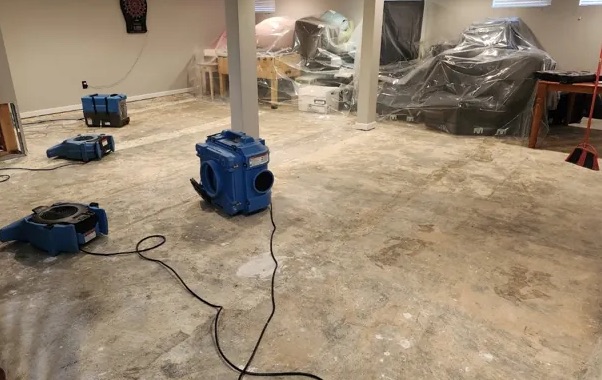
Rapid Structural Drying Solutions in Pahokee, Florida
Flooding events introduce large volumes of water that soak deep into structural components. Residential structural drying after a flood requires powerful equipment to dry materials from the inside out.
For commercial structural drying in Pahokee, businesses benefit from rapid intervention to limit downtime and damage. Assistance is available throughout the region, such as in Canal Point, Belle Glade and South Bay, with 24/7 availability.
Advanced Rapid Structural Drying Processes
Concrete Slab Drying
Drying a concrete foundation slab is a slow, methodical task. It requires creating a dry air environment above the slab to encourage moisture evaporation from its surface.
Flood Drying Services
After a flood event, drying must be rapid and extensive. The approach is systematic, moving from room to room to stabilize the entire affected area.
Emergency Structural Drying
A sudden water event requires a drying protocol. High-capacity dehumidifiers then work to pull moisture from the air and structural components, starting the recovery process.
Crawl Space Drying
Crawl spaces are vulnerable to groundwater and plumbing leaks. Effective drying here combines pumping, debris removal, and the strategic placement of air movers and dehumidifiers.
Structural Dehumidification
The core of rapid structural drying is aggressive dehumidification. Using low-grain refrigerant (LGR) or desiccant units, pros control the environment to halt secondary damage.
Indications for Rapid Structural Drying
Recent Plumbing Leak or Flood
Any recent leak or flood can leave water inside walls and floors even after surfaces look dry.
Visible Water Stains on Walls
Yellow or brown stains on drywall or ceilings mean water got into the material and may still be inside.
Water Pooling in Crawl Spaces
Standing water under your home puts floor framing at risk and needs pumping and drying.
Soggy or Spongy Drywall
Drywall that feels soft to the touch has absorbed a lot of water and needs drying right away.
How Rapid Structural Drying Works in Pahokee
Step 1: Water Extraction and Containment
The process begins with extracting any standing water, then containing the affected area to prevent moisture migration to dry parts of the building.
Step 2: Professional Drying Equipment Deployment
Powerful desiccant and refrigerant dehumidifiers are deployed alongside air movers to aggressively remove moisture from the air and building materials.
Step 3: Focused Crawl Space and Slab Drying
Hard areas get specific methods, such as ducted air for crawl spaces and floor mats for concrete slabs.
Step 4: Final Moisture Validation and Documentation
Final moisture readings are taken and documented with photos and reports for your insurer, confirming the structure is dry and stable.
Events That Lead to Rapid Structural Drying
Poor Ventilation in Enclosed Spaces
Inadequate airflow in crawl spaces or wall cavities traps moisture, promoting rot and mold that experts must address.
Severe Weather and Flooding
Heavy rainfall or localized flooding can overwhelm drainage, leading to water intrusion.
Appliance Malfunctions and Leaks
Faulty water heaters, washing machines, or dishwashers can leak slowly, causing hidden damage in walls and floors over time.
Clogged Gutters and Downspouts
When gutters overflow, water pools against the foundation and can seep into crawl spaces, slabs and lower walls.
Rapid Structural Drying for Homes and Businesses
Residential Rapid Structural Drying
Subfloor drying preserves the stability of residential floors. Water damage pros use injectidry systems and floor mat drying to extract moisture from between joists without removing the finished flooring above.
Commercial Rapid Structural Drying
Restaurants and hotels need kitchen subfloors and guest room walls dried quickly. The pros use commercial extraction and drying equipment and work around service hours.
Professional Rapid Structural Drying vs. DIY Methods
You can sweep water out of a garage or away from a foundation exterior. Inside, place aluminum foil squares on concrete slabs to test for condensation.
Factors Affecting Rapid Structural Drying Pricing
The cost of structural drying in Pahokee depends on the damage. Large areas with soaked wall cavities or subfloors take more labor and time.
Project Duration
The total time needed for complete structural dehumidification and achieving dry standards affects the overall labor and equipment rental period.
Affected Structural Materials
Drying dense materials like concrete slabs or enclosed wall cavities demands specialized techniques and longer durations than drying open areas.
Required Drying Equipment
The number and type of industrial air movers, dehumidifiers, and moisture meters deployed for structural moisture removal influence operational costs.
Does Insurance Cover Rapid Structural Drying?
Whether insurance covers emergency structural drying in Pahokee is determined by your specific policy language. It is essential to confirm coverage details with your insurance provider before authorizing any major work.
The Importance of Expert Rapid Structural Drying
Water Mitigation Drying Expertise
The approach is part of a complete water mitigation process to stabilize the property quickly.
24/7 Emergency Response
Help is available day or night to begin the rapid structural drying process and limit further damage.
Prevention of Mold Growth
Rapid drying helps control humidity levels, creating an environment less conducive to mold development after water intrusion.
Emergency Structural Drying Response
The first 24 to 48 hours after a leak matter most for drying. If you have standing water or soaked walls, call (772) 758-7923 to start drying.
Call Now (772) 758-7923Local Rapid Structural Drying Coverage Area
Other places served are listed below, each with its own page.
- Rapid Structural Drying in Canal Point
- Rapid Structural Drying in Belle Glade
- Rapid Structural Drying in South Bay
- Rapid Structural Drying in Indiantown
- Rapid Structural Drying in The Acreage
- Rapid Structural Drying in Royal Palm Beach
- Rapid Structural Drying in Loxahatchee Groves
- Rapid Structural Drying in Wellington
- Emergency Damage Restoration in 33476
- Storm Damage Restoration in 33476
- Water Damage Restoration in 33476
- Water Extraction Service in 33476
- Water Leak Detection in 33476
- Water Removal Service in 33476
Rapid Structural Drying Information and Answers
What areas of a home need structural moisture removal?
Structural moisture removal often targets concealed areas like behind walls, under floors, within ceiling cavities, and in support beams where water can linger and cause hidden damage.
What is involved in subfloor drying?
Subfloor drying involves using specialized air movers and dehumidifiers to draw moisture out of the wooden or concrete layer beneath flooring, often requiring access panels or strategic placement of equipment.
How does drying differ for residential structural drying?
Residential structural drying often involves navigating living spaces, personal belongings, and varied construction materials, with a focus on restoring habitability and protecting the home's value.
What happens if wall cavity drying is delayed?
Delayed wall cavity drying allows moisture to promote mold growth inside walls, degrade insulation, and potentially weaken drywall or wooden studs, leading to more extensive and invasive repairs.
What is the goal of commercial structural drying?
The goal of commercial structural drying is to quickly restore a safe, dry environment for business operations by removing moisture from building materials and contents to prevent long-term damage.