Belle Glade, FL · Palm Beach County
Rapid Structural Drying in Belle Glade, FLWall Cavity Drying & Flood Drying Services
Rapid Structural Drying in Belle Glade includes emergency structural drying, moisture mapping services, and flood drying services.
Answered 24/7
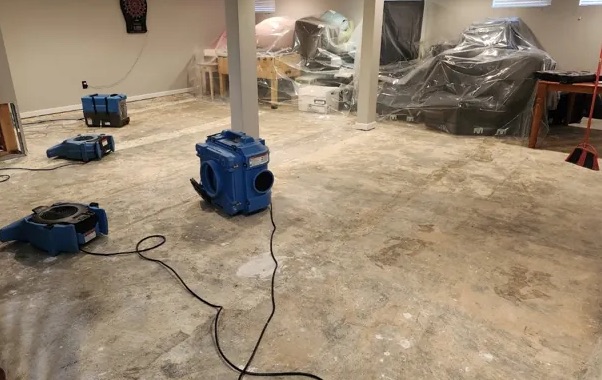
Expert Rapid Structural Drying for Belle Glade Properties
The goal of any water damage response is to return the structure to a pre-loss condition. For homes in Belle Glade, achieving this requires professional-grade equipment and proven methods.
Residential structural drying in Belle Glade focuses on protecting family homes from water-related deterioration. Local moisture removal experts perform flood drying services and moisture mapping services as part of a full response. Coverage includes areas around South Bay, Pahokee and Canal Point for convenient access.
Tailored Rapid Structural Drying for Belle Glade
Wall Cavity Drying
Addressing moisture within walls involves specific drying methods for studs and insulation. Moisture meters track progress, verifying that wall cavities are dry before any restoration work in Belle Glade.
Flood Drying Services
After a flood event, drying must be rapid and extensive. The approach is systematic, moving from room to room to stabilize the entire affected area.
Crawl Space Drying
Crawl spaces are vulnerable to groundwater and plumbing leaks. Effective drying here combines pumping, debris removal, and the strategic placement of air movers and dehumidifiers.
Concrete Slab Drying
After a major flood, a concrete floor often holds significant moisture. Drying the slab prevents future problems with flooring and humidity.
Emergency Structural Drying
A sudden water event requires a drying protocol. High-capacity dehumidifiers then work to pull moisture from the air and structural components, starting the recovery process.
When to Consider Rapid Structural Drying in Belle Glade
Squeaking or Soft Floor Areas
Unusual noises or soft spots when walking indicate compromised subflooring from water damage that needs assessment.
Warped or Bubbling Floorboards
Hardwood floors that buckle or cup have taken on moisture from below, usually from a wet subfloor.
Peeling Paint or Wallpaper
Paint or wallpaper that is blistering and peeling is often caused by hidden moisture behind the surface.
Damp Spots on Concrete Floors
Persistent dampness on a concrete slab can leave white mineral deposits and loosen flooring adhesive.
How Rapid Structural Drying Works in Belle Glade
Step 1: Water Extraction and Containment
The process begins with extracting any standing water, then containing the affected area to prevent moisture migration to dry parts of the building.
Step 2: Professional Drying Equipment Deployment
Powerful desiccant and refrigerant dehumidifiers are deployed alongside air movers to aggressively remove moisture from the air and building materials.
Step 3: Focused Crawl Space and Slab Drying
Hard areas get specific methods, such as ducted air for crawl spaces and floor mats for concrete slabs.
Step 4: Final Moisture Validation and Documentation
Final moisture readings are taken and documented with photos and reports for your insurer, confirming the structure is dry and stable.
Common Causes Requiring Rapid Structural Drying in Belle Glade
HVAC System Condensation Issues
Clogged drain lines or faulty condensate pumps from air handlers can cause significant water damage inside walls and ceilings.
Appliance Malfunctions and Leaks
Faulty water heaters, washing machines, or dishwashers can leak slowly, causing hidden damage in walls and floors over time.
Clogged Gutters and Downspouts
When gutters overflow, water pools against the foundation and can seep into crawl spaces, slabs and lower walls.
Overflowing Sinks or Bathtubs
A bathroom overflow can send water under flooring and into wall cavities, where it stays hidden.
Residential and Commercial Rapid Structural Drying in Belle Glade
Residential Rapid Structural Drying
Crawl space drying is critical in homes to stop wood rot and pest infestation. The pros run drying ducts and desiccant dehumidifiers under the house until it reads dry.
Commercial Rapid Structural Drying
Offices get drying plans that run in phases, floor by floor, so wall cavities and ceiling plenums are dried with the least disruption.
Rapid Structural Drying vs. DIY: When to Call Restoration Pros
You can use a wet-dry vacuum to remove standing water from hard surface floors. Be sure to document the damage with photos for your insurance claim.
Factors Influencing Rapid Structural Drying Costs
For commercial drying in Belle Glade, cost depends on how long the business is interrupted and the size of the drying setup.
Project Duration
The total time needed for complete structural dehumidification and achieving dry standards affects the overall labor and equipment rental period.
Access and Complexity
Difficult-to-reach areas like tight crawl spaces or behind finished walls add labor time to the emergency structural drying process.
Extent of Water Damage
The square footage and depth of saturation in materials like drywall and subflooring directly impact the drying time and equipment needed.
Does Insurance Cover Rapid Structural Drying?
Commercial structural drying may be covered under a business property policy if the water damage is from a covered event. The business owner should initiate the claim and provide all documentation to their insurer.
Why Choose Local Pros for Rapid Structural Drying in Belle Glade
Targeted Drying Strategies
Drying plans are adjusted for subfloors and enclosed spaces that need targeted dehumidification.
Focus on Structural Integrity
The process prioritizes drying the building structure itself, including wall cavities and subfloors, to protect its stability.
Industrial-Grade Drying Equipment
High-capacity air movers and dehumidifiers dry crawl spaces and concrete slabs, which hold water longest.
24/7 Rapid Structural Drying When You Need It
The first 24 to 48 hours after a leak matter most for drying. If you have standing water or soaked walls, call (772) 758-7923 to start drying.
Call Now (772) 758-7923Local Rapid Structural Drying Coverage Area
Other places served are listed below, each with its own page.
- Rapid Structural Drying in South Bay
- Rapid Structural Drying in Pahokee
- Rapid Structural Drying in Canal Point
- Rapid Structural Drying in Wellington
- Rapid Structural Drying in Loxahatchee Groves
- Rapid Structural Drying in Royal Palm Beach
- Rapid Structural Drying in The Acreage
- Rapid Structural Drying in Indiantown
- Emergency Damage Restoration in 33430
- Storm Damage Restoration in 33430
- Water Damage Restoration in 33430
- Water Extraction Service in 33430
- Water Leak Detection in 33430
- Water Removal Service in 33430
Your Rapid Structural Drying Questions Answered
Why is wall cavity drying important after a leak?
Water trapped inside wall cavities can lead to hidden mold, wood rot, and compromised insulation.
What is involved in subfloor drying?
Subfloor drying involves using specialized air movers and dehumidifiers to draw moisture out of the wooden or concrete layer beneath flooring, often requiring access panels or strategic placement of equipment.
How does drying differ for residential structural drying?
Residential structural drying often involves navigating living spaces, personal belongings, and varied construction materials, with a focus on restoring habitability and protecting the home's value.
How does emergency structural drying differ from regular drying?
It is drying that starts as an emergency call, often outside business hours, with equipment set up to protect the structure before materials swell or grow mold.
Can flood drying services prevent mold?
Prompt flood drying services that quickly remove water and lower humidity can significantly reduce the risk of mold growth, which often begins within 24-48 hours in damp conditions.