Pahokee, FL · Palm Beach County
Basement Water Damage Restoration in Pahokee, FLBasement Water Extraction & Basement Floor Water Removal
Basement Water Damage Restoration in Pahokee runs from basement water extraction and basement floor water removal to basement dehumidification.
Answered 24/7
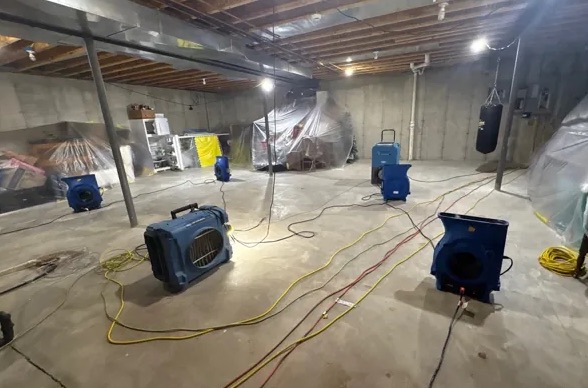
Local Basement Water Damage Restoration Near Pahokee
Few homes in Pahokee have full basements, but the ones that do, along with below-grade rooms and sunken lower levels, can still flood from a burst pipe, a sewer backup or a heavy summer storm.
Few homes in Pahokee are built with basements, so these steps are usually applied to the lowest rooms of a house, a garage or a crawl space instead.
Homes in Pahokee and nearby Canal Point, Belle Glade and South Bay with basements deal with seepage, plumbing leaks and sewer backups. Help with basement water damage restoration covers pumping, removal of wet materials and drying of walls and concrete.
Complete Basement Water Damage Restoration for Pahokee
Basement Water Extraction
Extraction starts at the lowest point, often near the floor drain or sump, and works outward until no pooled water remains.
Basement Floor Water Removal
Water on a concrete floor is squeegeed and extracted, and floor coverings such as carpet, vinyl or laminate are lifted to dry the slab.
Basement Mold Prevention
Keeping basement humidity low after drying helps prevent mold from returning, especially in finished spaces.
Basement Wall Drying
Concrete and block walls are dried with directed airflow and dehumidifiers, and checked with meters until readings drop.
Basement Dehumidification
Large dehumidifiers pull moisture from the basement air so walls, framing and the slab can release their water.
How to Know You Need Basement Water Damage Restoration in Pahokee
Standing Water in the Basement
Any standing water on the basement floor needs pumping right away, before it soaks walls and framing.
High Humidity Levels Below-Grade
A basement that stays damp and clammy even on dry days has a moisture source that needs attention.
Sewage Odors or Backups
Sewage smells or water coming up through a floor drain mean the sewer line is backing up.
Rusted Appliances or Pipes
Rust on the water heater, furnace base or pipes points to repeated moisture or past flooding.
How Basement Water Damage Restoration Works in Pahokee
Step 1: Floodwater Pump-Out
Submersible pumps remove deep water, and electrical hazards are checked before anyone walks in it.
Step 2: Deep Moisture Extraction
Extractors pull water from carpet, pad and the concrete floor after the deep water is gone.
Step 3: Air Circulation and Drying
Air movers keep dry air moving across walls and floors throughout the basement.
Step 4: Dehumidification and Verification
Dehumidifiers run until humidity and material readings confirm the basement is dry.
Why Basement Water Damage Occurs in Pahokee
Water Heater or Appliance Leaks
Water heaters, washers and utility sinks in the basement can leak or fail without warning.
Failed or Clogged Drain Tile
Clogged or collapsed drain tile around the foundation lets water build up against the walls.
Clogged Floor Drains
A floor drain blocked by debris cannot carry off water from a leak or overflow, so it spreads across the basement floor.
Faulty Basement Waterproofing
Old or failed waterproofing on foundation walls lets water through during wet weather.
Both Residential & Commercial Basement Water Damage Restoration in Pahokee
Residential Basement Water Damage Restoration
In homes, a flooded basement often means damaged carpet, drywall, a furnace or water heater and stored belongings. Water is pumped out, contents are moved and the space is dried.
Commercial Basement Water Damage Restoration
In commercial buildings, basements hold mechanical rooms, storage and sometimes offices. Water is removed and equipment areas are dried so systems can be checked and restarted.
Basement Water Damage Restoration: Professional Help vs. Doing It Yourself in Pahokee
Sewage in a basement should not be cleaned up without gloves, boots and eye protection. For any backup through a floor drain or toilet, call local water removal pros.
Understanding Basement Water Damage Restoration Pricing in Pahokee
A basement pumped and dried right away in Pahokee usually costs less than one left wet for days, when more drywall and flooring are lost.
Material Saturation
Finished basements with carpet, drywall and insulation take more removal work than bare concrete.
Drying Time Required
Basements dry slowly, and longer drying means more equipment days and monitoring visits.
Secondary Damage
Damage to furnaces, water heaters and belongings adds repair and replacement costs.
Does Insurance Cover Basement Water Damage Restoration?
Photos, moisture readings and drying logs from local water removal pros help support an insurance claim for basement water damage in Pahokee.
Why Choose Local Pros for Basement Water Damage Restoration in Pahokee
Industrial-Grade Equipment
Pumps, extractors and large dehumidifiers remove water much faster than household wet vacs and fans.
Water Type Handling
Clean water, gray water and sewage are each handled with the right protection and removal steps.
Detailed Documentation
Photos, readings and drying logs are kept to support your insurance claim.
24/7 Emergency Basement Water Damage Restoration for Pahokee
If water is near outlets or the electrical panel, do not walk into it. Call (772) 758-7923 for help in Pahokee and wait for the power to be made safe.
Call Now (772) 758-7923Local Basement Water Damage Restoration Coverage: Pahokee and Beyond
The places below are also served, and each one has its own page.
- Basement Water Damage Restoration in Canal Point
- Basement Water Damage Restoration in Belle Glade
- Basement Water Damage Restoration in South Bay
- Basement Water Damage Restoration in Indiantown
- Basement Water Damage Restoration in The Acreage
- Basement Water Damage Restoration in Royal Palm Beach
- Basement Water Damage Restoration in Loxahatchee Groves
- Basement Water Damage Restoration in Wellington
- Emergency Damage Restoration in 33476
- Storm Damage Restoration in 33476
- Water Damage Restoration in 33476
- Water Extraction Service in 33476
- Water Leak Detection in 33476
- Water Removal Service in 33476
FAQ for Basement Water Damage Restoration in Pahokee
Why is quick action important for below-grade flood restoration?
Basements dry slowly, so every hour of standing water adds days of drying and more material to replace.
What equipment is used for below-grade water damage repair?
Submersible pumps, extractors, air movers, large dehumidifiers, moisture meters and air scrubbers for dust and odor.
What does below-grade moisture removal include beyond pumping?
Extracting carpet and pad, opening wet walls, running air movers and dehumidifiers, and checking readings until dry.
How long does below-grade drying take after a flood?
Often several days or longer, since concrete and cool basement air dry slowly. Daily readings show progress.
Should I try below-grade waterproofing myself after flooding?
Sealing a small crack can be a DIY job, but drying must come first, and larger waterproofing work should go to a contractor.