Wellington, FL · Palm Beach County
Basement Water Damage Restoration in Wellington, FLBasement Drying Services & Basement Wall Drying
Basement Water Damage Restoration in Wellington includes emergency basement flood cleanup, basement sewer backup cleanup and basement wall drying.
Answered 24/7
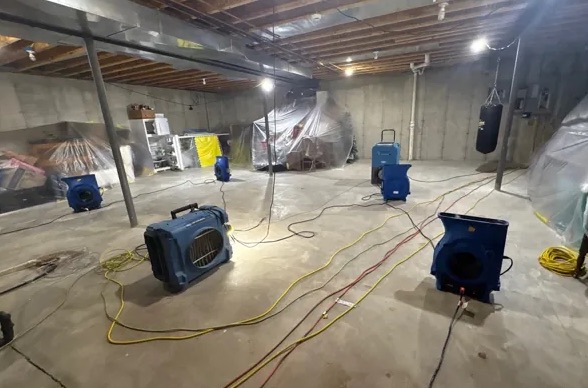
Basement Water Damage Restoration for Wellington Homes
In Wellington, a damp, musty basement or lower room often means water damage that was never fully dried. Old leaks can leave moisture in walls and under flooring long after the water is gone.
Few homes in Wellington have basements, so this work usually covers the lowest part of a home: a sunken room, a below-grade garage, a utility room or a crawl space.
Homeowners in Wellington can call (772) 758-7923 day or night when water is rising in the basement. Service also covers Loxahatchee Groves, Royal Palm Beach and Golden Lakes, with the same pumping and drying steps.
Professional Basement Water Damage Restoration Offered in Wellington
Basement Drying Services
Equipment is adjusted each day based on moisture readings until every material reaches its normal level.
Basement Wall Drying
Finished basement walls hide wet insulation and framing. Removing the bottom of the drywall lets air reach the cavity.
Basement Water Extraction
Basement water is removed before drying starts, because every gallon left behind keeps the walls and air damp.
Basement Floor Water Removal
Wet carpet pad is removed from basement floors, since it holds water against the concrete and dries poorly.
Emergency Basement Flood Cleanup
Emergency cleanup starts with stopping the source where possible, checking for electrical hazards and pumping out the water.
When to Consider Basement Water Damage Restoration for Your Wellington Home
Standing Water in the Basement
Any standing water on the basement floor needs pumping right away, before it soaks walls and framing.
Wet or Stained Basement Walls
Dark, wet patches or tide lines on basement walls show where water seeped in or wicked up.
Sewage Odors or Backups
Sewage smells or water coming up through a floor drain mean the sewer line is backing up.
Rusted Appliances or Pipes
Rust on the water heater, furnace base or pipes points to repeated moisture or past flooding.
How Basement Water Damage Restoration Works in Wellington
Step 1: Source Control and Extraction
The pipe is shut off, the sump restarted or the backup stopped, then the water is pumped out.
Step 2: Structural Drying Setup
Lower drywall is removed where soaked, and equipment is placed to dry wall cavities and the slab.
Step 3: Contaminant Removal
Materials touched by sewage or dirty water are removed and hard surfaces are cleaned and disinfected.
Step 4: Monitoring and Completion
Daily readings track drying until every material is normal, then equipment is removed.
Frequent Sources of Water Damage in Wellington
Plumbing Pipe Bursts or Leaks
Supply lines and drain pipes in basement ceilings can crack or burst onto the floor below.
Faulty Basement Waterproofing
Old or failed waterproofing on foundation walls lets water through during wet weather.
Failed or Clogged Drain Tile
Clogged or collapsed drain tile around the foundation lets water build up against the walls.
Clogged Floor Drains
A floor drain blocked by debris cannot carry off water from a leak or overflow, so it spreads across the basement floor.
Basement Water Damage Restoration for All Properties in Wellington
Residential Basement Water Damage Restoration
Finished basements used as living space need carpet, pad and lower drywall checked carefully. Soaked materials are removed so the walls and slab can dry.
Commercial Basement Water Damage Restoration
Businesses with below-grade storage need inventory moved out of the water quickly. Wet stock is separated and documented for insurance.
Basement Water Damage Restoration: Professional Help vs. Doing It Yourself in Wellington
Sewage in a basement should not be cleaned up without gloves, boots and eye protection. For any backup through a floor drain or toilet, call local water removal pros.
Basement Water Damage Restoration Cost in Wellington, FL
The cost of basement water damage restoration in Wellington depends on how much water there is, whether it is clean or sewage and how much finished material must be removed.
Dehumidification Needs
Large dehumidifiers may need to run longer in below-grade spaces than in upper floors.
Access Complexity
Narrow stairs, low ceilings and stored contents can make the work slower.
Water Category
Clean water costs less to handle than sewage, which needs protective gear, removal and disinfection.
Does Insurance Cover Basement Water Damage Restoration?
Photograph the water level, damaged belongings and appliances before cleanup starts, and keep receipts for emergency pumping and drying to send to your insurer.
Why Choose Local Pros for Basement Water Damage Restoration in Wellington
Structural Integrity Assessment
Walls, stairs and framing are checked for damage before work begins in the basement.
Detailed Documentation
Photos, readings and drying logs are kept to support your insurance claim.
Mold Prevention Focus
Fast drying is the main way to limit microbial growth in a below-grade space.
24/7 Emergency Basement Water Damage Restoration in Wellington
A flooded basement damages walls, furnaces, water heaters and belongings quickly. Call (772) 758-7923 for basement water damage restoration in Wellington at any hour.
Call Now (772) 758-7923Regions Served for Basement Water Damage Restoration Near Wellington
Help with basement water damage restoration is also available in communities near Wellington, including Loxahatchee Groves, Royal Palm Beach and Golden Lakes, for flooded basements and sewer backups.
- Basement Water Damage Restoration in Loxahatchee Groves
- Basement Water Damage Restoration in Royal Palm Beach
- Basement Water Damage Restoration in Golden Lakes
- Basement Water Damage Restoration in Lake Belvedere Estates
- Basement Water Damage Restoration in Greenacres
- Basement Water Damage Restoration in Kenwood Estates
- Basement Water Damage Restoration in Gun Club Estates
- Basement Water Damage Restoration in Pine Air
- Emergency Damage Restoration in 33414
- Storm Damage Restoration in 33414
- Water Damage Restoration in 33414
- Water Extraction Service in 33414
- Water Leak Detection in 33414
- Water Removal Service in 33414
- Emergency Damage Restoration in 33449
- Storm Damage Restoration in 33449
Frequently Asked Questions About Basement Water Damage Restoration
What is involved in basement water damage restoration?
Pumping out water, removing soaked materials, cleaning contaminated areas, drying walls, framing and concrete, and dehumidifying until readings are normal.
What equipment is used for below-grade water damage repair?
Submersible pumps, extractors, air movers, large dehumidifiers, moisture meters and air scrubbers for dust and odor.
What is the purpose of basement wall drying?
To remove water from drywall, insulation, framing and concrete so the walls can be repaired without trapping moisture.
What does below-grade moisture removal include beyond pumping?
Extracting carpet and pad, opening wet walls, running air movers and dehumidifiers, and checking readings until dry.
Why is dehumidification so important after basement water removal?
Basements hold moisture in the air and concrete. Without dehumidifiers, walls and framing stay damp long after the water is gone.