Port St. Lucie, FL · St. Lucie County
Smoke Damage Restoration in Port St. Lucie, FLSmoke Odor Removal & HVAC Duct Smoke Cleaning
Smoke Damage Restoration for Port St. Lucie homes covers wall ceiling smoke cleaning, emergency board-up, and smoke odor removal.
Answered 24/7
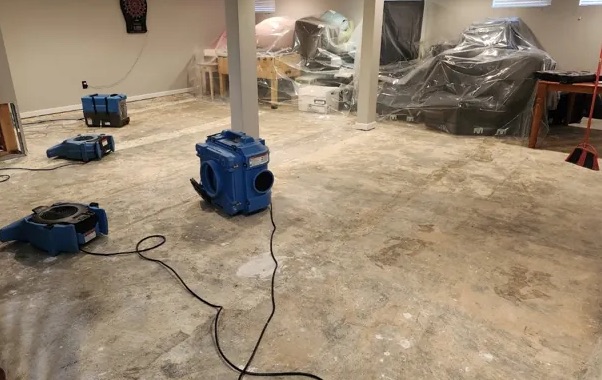
Local Soot Removal Experts for Smoke Damage Restoration in Port St. Lucie
Smoke from a fire in Port St. Lucie seeps into porous materials and lingers as odor, hurting indoor air and making rooms hard to live in. Local smoke damage pros remove soot and odor and document the damage with photos and notes for your claim.
Around Port St. Lucie, smoke cleanup uses thermal fogging for odor and HEPA vacuuming for soot. The experts handle homes and businesses, including board-up and duct cleaning, and also cover River Park, North River Shores and Indian River Estates, with photos and notes at every step.
Smoke Damage Restoration Methods Used in Port St. Lucie
Smoke Odor Removal
Air fresheners only cover the smell. Pros check how far odor reached into insulation and upholstery, then use air scrubbing and fogging to break it down.
HVAC Duct Smoke Cleaning
Dirty ductwork can undo other cleaning. Pros seal vents, then clean ducts with agitation and negative air machines in homes across Port St. Lucie.
Soot Residue Cleaning
Soot is acidic and stains or corrodes surfaces. The pros in Port St. Lucie use chemical sponges and pH-balanced cleaners to lift it from walls and ceilings safely.
Post-Fire Deep Cleaning
Pros clean the spots often missed, like window tracks, appliance vents and behind furniture, with microfiber and HEPA vacuums.
Emergency Board-Up
The experts tarp the structure to protect it and record the first damage and board-up work for insurance in Port St. Lucie.
Indicators of Necessary Smoke Damage Restoration in Port St. Lucie
Persistent Smoke Smell After Cleaning
A smoky smell that stays after your own cleaning means professional odor removal is needed.
Soot Stains Reappear on Walls
Stains that come back after wiping mean the walls and ceilings need a deeper clean.
Smoke Odor Returns After Weather Changes
An odor that returns with humidity means smoke is stored deep in the structure.
Yellowing of Walls and Plastics
Yellowed walls and plastics show acidic residue that has not been fully removed.
How Smoke Damage Restoration Works in Port St. Lucie
Step 1: First Call and Assessment
The pros respond day or night and start the cleanup.
Step 2: Surface Cleaning and Residue Treatment
Walls and ceilings are cleaned with methods that lift soot without damaging paint.
Step 3: Deep Cleaning and Sanitation
Floors, fixtures and hidden areas are deep cleaned to remove all remaining residue.
Step 4: Final Air Purification
Air purification equipment clears lingering smoke particles and odor from the home.
What Causes Smoke Damage in Port St. Lucie Homes
Improper Use of a Fire Extinguisher
Fire extinguisher chemicals mix with soot and make the cleanup more complicated.
Secondary Smoke From Neighboring Fires
Smoke from a neighboring fire can drift in and leave odors behind.
Furniture and Synthetic Material Fires
Burning plastics and foam create oily residue that needs advanced soot removal.
Smoke Damage After Fire Is Put Out
Smoke keeps settling into walls and materials even after the flames are out.
Smoke Damage Restoration for All Property Types in Port St. Lucie
Residential Smoke Damage Restoration
At home, odors often linger in closets, cabinets, attics and crawl spaces, so pros deep clean those spots to protect the house.
Commercial Smoke Damage Restoration
Restaurants, hotels and stores need strong odor removal, including kitchen hoods, seating and storage areas, with full documentation for claims.
Professional Smoke Damage Restoration vs. DIY in Port St. Lucie
You may dry-clean light soot from sealed wood or tile floors, but avoid water at first since it smears soot. If yellowing remains, the residue needs professional removal.
Cost Considerations for Smoke Damage Restoration in Port St. Lucie
The price in Port St. Lucie depends on how severe the smoke damage is, the materials affected and the cleaning methods needed to remove odor and residue.
HVAC System Contamination
Cleaning soot from ducts, coils and filters adds time and expense to the job.
Emergency Service Requirements
Board-up and tarping to secure the house add to the first service call.
Extent of Smoke Penetration
Smoke deep in drywall or insulation needs more cleaning and deodorizing, which raises the cost.
Does Insurance Cover Smoke Damage Restoration?
Odor removal is often part of fire damage coverage. Pros provide detailed records for your claim, and your agent can explain the specifics.
Why Choose Local Experts for Smoke Damage Restoration in Port St. Lucie
24/7 Emergency Response
Quick action matters, since soot and odor get harder to remove the longer they sit.
Thorough Damage Documentation
Notes and photos of every affected area support any insurance claim you file.
Content Cleaning Expertise
Belongings are cleaned with methods suited to fabrics, electronics and other sensitive items.
24/7 Emergency Smoke Damage Restoration in Port St. Lucie
Fast smoke cleanup limits further loss. If you are dealing with a fire's aftermath in Port St. Lucie, contact local pros at (772) 758-7923 for board-up and assessment.
Call Now (772) 758-7923Smoke Damage Restoration Coverage in and Around Port St. Lucie
Local smoke odor pros handle duct cleaning and contents work in Port St. Lucie and areas like River Park, North River Shores and Indian River Estates.
Smoke Damage Restoration: Your Questions Answered
What items can be saved with content cleaning?
Many clothes, furniture pieces and documents can be saved, though badly charred or melted items may not be.
What is post-fire deep cleaning?
A top-to-bottom clean after soot removal that covers every surface and fixture to get rid of fine ash.
Is it safe to stay in a home during smoke damage sanitation?
Often not, because of airborne particles and cleaning agents; the experts can advise on temporary moves.
Does smoke damage sanitation include wall and ceiling cleaning?
Yes. Walls and ceilings are cleaned to remove soot stains and deodorize porous drywall and plaster.
When is emergency board-up and tarping needed?
Right after a fire, to secure broken windows, doors or roof openings against weather and entry.