Port St. Lucie, FL · St. Lucie County
Smoke Damage Cleanup in Port St. Lucie, FLSoot Residue Cleaning & Structural Smoke Deodorization
For homes in Port St. Lucie, Smoke Damage Cleanup includes smoke odor removal, soot residue cleaning and post-fire deep cleaning from local pros.
Answered 24/7
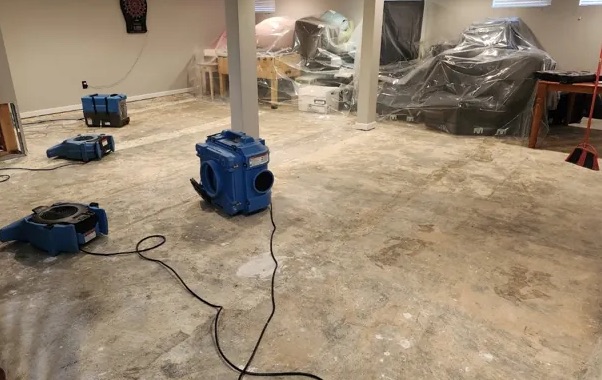
Smoke Damage Cleanup Services for Port St. Lucie Homes and Businesses
After a fire, smoke residue in Port St. Lucie homes needs professional cleanup to remove lasting smells and protect the structure. Pros follow several steps: dry soot removal, then wet cleaning and deodorizing of affected materials.
For homes and businesses in Port St. Lucie, smoke cleanup focuses on removing smells and soot that cause ongoing problems. Local fire damage cleaning pros also board up and tarp openings, serving nearby River Park, North River Shores and Indian River Estates, and protect unaffected rooms with containment while they work.
Smoke Damage Cleanup Methods Used in Port St. Lucie
Soot Residue Cleaning
Pros test cleaners on hidden spots first and document surface conditions for your claim before restoring surfaces in Port St. Lucie.
Structural Smoke Deodorization
For severe odors, the pros may use ozone in sealed spaces to break down odor in wood or concrete.
Post-Fire Deep Cleaning
Pros clean the spots often missed, like window tracks, appliance vents and behind furniture, with microfiber and HEPA vacuums.
Wall Ceiling Smoke Cleaning
Different wall finishes need different methods. Pros identify the paint sheen and material to avoid streaks or dulling.
HVAC Duct Smoke Cleaning
Duct cleaning removes settled soot and deodorizes air passages, and an antimicrobial agent may be applied afterward.
When to Call for Smoke Damage Cleanup in Port St. Lucie
Tacky or Oily Residue Feel
Sticky or tacky surfaces show oily soot that needs professional cleaning agents to remove.
Yellowing of Walls and Plastics
Yellowed walls and plastics show acidic residue that has not been fully removed.
Persistent Smoke Smell After Cleaning
A smoky smell that stays after your own cleaning means professional odor removal is needed.
Black Dust Around Window Seals
Black dust around window seals shows smoke worked its way into the walls.
How Smoke Damage Cleanup Works in Port St. Lucie
Step 1: Damage Documentation and Scope
The pros photograph and assess every area affected by smoke, soot and odor.
Step 2: Dry Soot Removal and Vacuuming
Loose, dry soot is vacuumed with HEPA filtration so it does not become airborne during cleaning.
Step 3: Wet Cleaning of Sticky Residues
Oily residue is cleaned with professional products made for safe, effective smoke residue removal.
Step 4: Air Scrubbing and Odor Remediation
Air scrubbers filter particles while deodorizing agents treat the source of the smoke smell.
Typical Fire Damage Causes in Port St. Lucie
Contained Fire in an Appliance
A fire inside an oven or dryer can push smoke through the ductwork.
Secondary Smoke From Neighboring Fires
Smoke from a neighboring fire can drift in and leave odors behind.
Fireplace or Chimney Backdraft
Smoke from a fireplace or chimney backdraft coats nearby rooms with soot.
Candle or Incense Soot Buildup
Years of candle or incense use leave fine carbon deposits on walls and ceilings.
Residential and Commercial Smoke Damage Cleanup in Port St. Lucie
Residential Smoke Damage Cleanup
At home, smoke cleanup is about family health and comfort. Pros clean furniture and living spaces and deodorize carpet and other soft materials that hold smells.
Commercial Smoke Damage Cleanup
For businesses, cleanup protects stock and gets operations running. Pros clean soot from electronics and equipment and treat odor in offices and customer areas.
Professional Smoke Damage Cleanup vs. DIY in Port St. Lucie
You can wash clothing and some curtains with odor-removing detergent after testing a small area. For delicate items, antiques or electronics, leave cleaning to pros to avoid permanent damage.
Understanding Smoke Damage Cleanup Cost in Port St. Lucie
The price in Port St. Lucie depends on how severe the smoke damage is, the materials affected and the cleaning methods needed to remove odor and residue.
Post-Cleaning Verification
A final air check to confirm the odor is gone is a standard step in the job.
Emergency Service Requirements
Board-up and tarping to secure the house add to the first service call.
Type of Soot Residue
Sticky soot from smoldering fires takes stronger products and more time than dry soot.
Does Insurance Cover Smoke Damage Cleanup?
Homeowners policies may cover fire restoration, including soot removal and duct cleaning. The pros document the damage, so check your deductible and limits.
Why Choose Local Fire Damage Cleaning Pros for Smoke Damage Cleanup in Port St. Lucie
Emergency Board-Up Services
Board-up and tarping protect the house from weather and entry right after the fire.
Structural Deodorization Techniques
Sealing or oxidizing treatments keep odor from returning long after the cleanup ends.
IICRC-Standard Decontamination Methods
Pros follow accepted methods for soot and odor removal, covering visible and hidden residue.
Urgent Smoke Damage Cleanup Available in Port St. Lucie
Soot is acidic and odors set quickly, so time matters. For 24/7 smoke cleanup in Port St. Lucie, call (772) 758-7923, and local pros can start stabilizing the house.
Call Now (772) 758-7923Smoke Damage Cleanup Coverage in and Around Port St. Lucie
The pros offer smoke cleanup for homes in Port St. Lucie and nearby places like River Park, North River Shores and Indian River Estates.
Smoke Damage Cleanup: Your Questions Answered
Why is quick action important for smoke damage?
Early cleaning removes soot before acids etch surfaces, which makes the job easier and smaller.
Why is soot residue cleaning important?
Soot is acidic and can corrode metal, stain surfaces and keep odors alive if it is not fully removed.
What is involved in smoke damage sanitation?
Soot and residue cleaning, odor removal from the air and materials and often duct cleaning to stop odor from recirculating.
What happens during the smoke damage assessment?
Pros inspect every affected area to identify soot types, odor depth and the cleaning methods needed.
Will smoke odor come back after cleaning?
With proper odor removal and structural deodorizing, it should not; incomplete cleaning is the usual cause.