Jupiter Island, FL · Martin County
Hydrostatic Pressure Water Removal in Jupiter Island, FLCrawl Space Water Extraction & Structural Drying After Intrusion
Hydrostatic Pressure Water Removal in Jupiter Island covers groundwater intrusion mitigation, wet subfloor removal and crawl space water extraction.
Answered 24/7
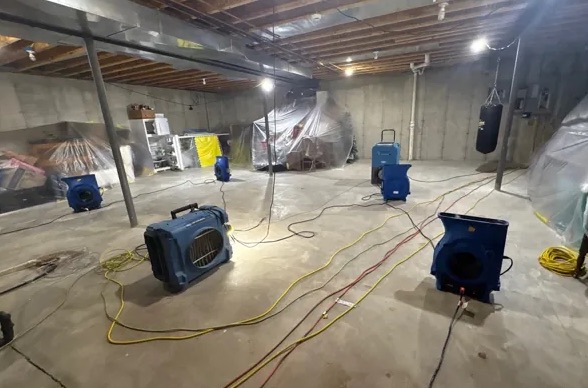
Professional Hydrostatic Pressure Water Removal in Jupiter Island, FL
In Jupiter Island homes, water pushed in by soil pressure can keep subfloors and framing damp long after the puddles are gone, which leads to rot and mold.
Comprehensive Hydrostatic Pressure Water Removal Solutions
Crawl Space Water Extraction
Pumps and extractors made for tight spaces remove water from the crawl space before any drying, encapsulation or other work can start.
Structural Drying After Intrusion
Drying equipment is placed to pull moisture out of wall cavities, subfloors and framing, not just to dry what you can see.
Slab Seepage Water Removal
Slab seepage water removal clears water that soil pressure forces through joints and cracks in the slab, then the flooring and baseboards are checked with moisture meters.
Slab Leak Water Removal
Water coming up through a slab keeps flooring damp and can swell or lift it. The water is removed and the slab and flooring dried.
Groundwater Intrusion Mitigation
Moisture readings and entry points are recorded during the work, which helps plan both the drying and any drainage changes outside.
When to Call for Hydrostatic Pressure Water Removal in Jupiter Island
Water Seeping From Foundation Walls
Water seeping at the base of foundation walls means groundwater is being pushed in by pressure from the soil.
Pooling Water in Crawl Space
Standing water in a crawl space is a clear sign water is getting in and needs to be removed.
High Indoor Humidity Levels
High humidity in lower levels that does not go away can mean water is seeping through the foundation.
Spongy or Soft Spots on Floors
Damp spots or lifting flooring on a slab can mean water is coming up from below.
How Hydrostatic Pressure Water Removal Works in Jupiter Island
Step 1: Safety and Hazard Assessment
The area is made safe and electrical hazards are checked before any water removal starts.
Step 2: Foundation Crack Water Infiltration Stop
Water coming through cracks is managed with pumps while the area dries, and the cracks are noted for a foundation contractor.
Step 3: Advanced Drying System Setup
Desiccant dehumidifiers and injectidry systems are installed to dry deep within building materials. This equipment pulls moisture out of concrete, wood and insulation.
Step 4: Post-Restoration Integrity Check
A final check confirms the lower level is dry, and the readings are shared with you.
Sources Requiring Hydrostatic Pressure Water Removal
Improper Landscaping and Irrigation
Landscaping that slopes toward the house, or heavy watering near it, adds water to the soil against the foundation.
Soil Expansion and Contraction
Clay soil swells when wet, adding pressure on foundation walls and opening paths for water.
Clogged or Collapsed Footing Drains
When perimeter drains clog or fail, water has nowhere to go and presses against the walls and slab.
Heavy or Prolonged Rainfall
Long periods of rain soak the soil, and the water presses against the foundation until it finds a way in.
Residential and Commercial Hydrostatic Pressure Water Removal in Jupiter Island
Residential Hydrostatic Pressure Water Removal
Hydrostatic pressure damage threatens a home's structure and indoor air. In homes throughout Jupiter Island, local water removal pros remove wet subfloor, dry the structure and repair foundation crack leaks to prevent costly long-term damage.
Commercial Hydrostatic Pressure Water Removal
In businesses, groundwater in a lower level can damage stock and equipment. Local groundwater extraction specialists remove the water and dry the space to keep downtime short.
Hydrostatic Pressure Damage: DIY Risks vs. Professional Hydrostatic Pressure Water Removal
If a plumbing leak may be adding to the water, shut off the main valve. Finding where groundwater enters and drying the structure takes meters and drying equipment.
Understanding Hydrostatic Pressure Water Removal Expenses
The cost of removing water that comes up through a slab depends on how easy the area is to reach, how wet it is and how long drying takes.
Mitigation Measures
Drainage or waterproofing work to stop water from returning is a separate cost from the water removal.
Material Saturation Level
Deeply soaked subflooring or wet foundation walls need more extraction and dehumidification.
Structural Complexity
Tight crawl spaces and complex foundations make water removal and drying slower.
Does Insurance Cover Hydrostatic Pressure Water Removal?
Coverage for structural drying depends on your policy's limits and exclusions. The specialists provide moisture maps and drying logs, so check the details with your agent.
Advantages of Hiring Local Pros for Hydrostatic Pressure Water Removal in Jupiter Island
Targeted Groundwater Extraction
Equipment made for tight spaces removes water from crawl spaces and around slabs.
IICRC-Standard Drying Methods
Drying the structure fully after water intrusion protects the foundation and framing from lasting damage.
Detailed Documentation
Photos and moisture logs of the work are kept to support your insurance claim.
Around-the-Clock Help for Hydrostatic Flooding in Jupiter Island
Drying after groundwater gets in starts with a call to (772) 758-7923. The specialists are available 24/7 in Jupiter Island to remove the water and set up drying.
Call Now (772) 758-7923Hydrostatic Pressure Water Removal in Jupiter Island and Other Areas Served
Other places served are listed below, each with its own page.
- Hydrostatic Pressure Water Removal in Hobe Sound
- Hydrostatic Pressure Water Removal in Tequesta
- Hydrostatic Pressure Water Removal in Limestone Creek
- Hydrostatic Pressure Water Removal in Jupiter
- Hydrostatic Pressure Water Removal in West Jupiter
- Hydrostatic Pressure Water Removal in South Beach
- Hydrostatic Pressure Water Removal in Vero Beach South
- Hydrostatic Pressure Water Removal in Florida Ridge
Hydrostatic Pressure Water Removal FAQs
What is structural drying after intrusion?
It is drying the concrete, wood and other building materials after groundwater or flood water gets inside.
How does foundation water removal work?
Standing water is extracted, the structure is dried with dehumidifiers and air movers, and the place where water came in is noted.
Does sealing a foundation crack stop water from coming in?
Sealing a crack, done by a foundation contractor, can help. Long-term control often also needs drainage or waterproofing outside to lower the water pressure.
What causes foundation crack water infiltration?
Usually water pressure from soaked soil, or settlement cracks that give groundwater a path into the building.
Will drying stop water from coming back?
No. Drying fixes the damage that is already there. Keeping water out takes drainage, grading or waterproofing work by a contractor.