Hobe Sound, FL · Martin County
Hydrostatic Pressure Water Removal in Hobe Sound, FLCrawl Space Water Extraction & Slab Seepage Water Removal
Hydrostatic Pressure Water Removal in Hobe Sound covers groundwater intrusion mitigation, wet subfloor removal and crawl space water extraction.
Answered 24/7
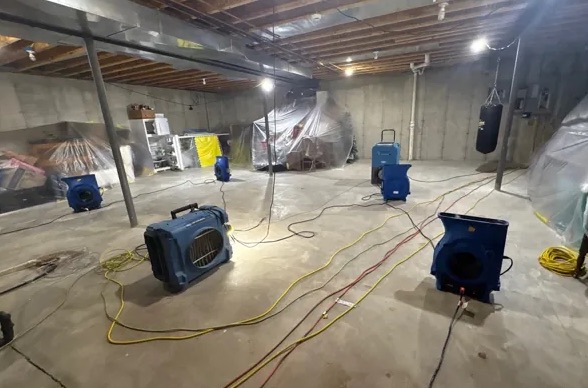
Hydrostatic Pressure Water Removal Solutions for Hobe Sound Homes
Water that keeps coming up through a slab damages flooring and keeps the lower level damp. Removing it is the water side of the job, and a structural check is a separate step for a contractor.
Detailed Hydrostatic Pressure Water Removal Methods
Crawl Space Water Extraction
Water accumulation in crawl spaces due to hydrostatic pressure can compromise air quality and structural integrity.
Slab Seepage Water Removal
Slab seepage water removal clears water that soil pressure forces through joints and cracks in the slab, then the flooring and baseboards are checked with moisture meters.
Groundwater Intrusion Mitigation
Repeated groundwater problems need two steps: remove the water now, then have a contractor look at drainage, grading or downspouts sending water to the foundation.
Wet Subfloor Removal
The process includes cutting out affected panels, disposing of them properly, and creating a dry, stable base for the new flooring material.
Structural Drying After Intrusion
After water comes through a foundation or slab, drying follows industry standards, with air movers and dehumidifiers aimed at wall cavities and framing.
Signs of Groundwater Intrusion Requiring Hydrostatic Pressure Water Removal
Pooling Water in Crawl Space
Standing water in a crawl space is a clear sign water is getting in and needs to be removed.
Warped or Buckling Flooring
Flooring that warps or buckles near walls can mean water is coming up from below and the subfloor is wet.
Water Seeping From Foundation Walls
Water seeping at the base of foundation walls means groundwater is being pushed in by pressure from the soil.
Mold on Baseboards
Mold along baseboards or lower walls points to ongoing moisture coming through the foundation.
How Hydrostatic Pressure Water Removal Works in Hobe Sound
Step 1: Source Containment and Control
Where possible, the water source is controlled first, such as redirecting downspouts or stopping a plumbing leak.
Step 2: Crawl Space Water Extraction
Equipment made for tight spaces extracts water from the crawl space so the framing can start drying.
Step 3: Affected Material Removal
Wet insulation and subflooring that cannot be dried are removed and hauled away.
Step 4: Dehumidification and Air Scrubbing
Dehumidifiers and air scrubbers bring humidity down and clear the musty air until the space is dry.
Common Causes of Water Damage in Hobe Sound
Heavy or Prolonged Rainfall
Long periods of rain soak the soil, and the water presses against the foundation until it finds a way in.
Clogged or Collapsed Footing Drains
When perimeter drains clog or fail, water has nowhere to go and presses against the walls and slab.
Improper Landscaping and Irrigation
Landscaping that slopes toward the house, or heavy watering near it, adds water to the soil against the foundation.
Poor Exterior Drainage Systems
Clogged gutters, downspouts and poor grading send water toward the foundation, where it builds pressure in the soil.
Hydrostatic Pressure Water Removal for Homes and Businesses in Hobe Sound
Residential Hydrostatic Pressure Water Removal
In homes, water through the foundation can reach framing and wiring in the lower level. Local structural drying professionals remove the water and dry the structure, and a foundation contractor handles any cracks.
Commercial Hydrostatic Pressure Water Removal
Warehouses and plants on slab floors can take on water from below. Industrial equipment removes it and dries the large floor area so work can resume.
Hydrostatic Pressure Water Removal vs. DIY: When to Call the Pros
Take photos and video of the damage from a safe spot for your insurance claim. Stay out of flooded areas with power still on, and let the pros handle the moisture mapping.
Hydrostatic Pressure Water Removal Cost in Hobe Sound, FL
The cost of hydrostatic pressure water removal in Hobe Sound depends on how much of the lower level flooded and how much water came in.
Water Source Type
A slow slab seep and a sudden flood through a wall crack need different approaches and equipment.
Mitigation Measures
Drainage or waterproofing work to stop water from returning is a separate cost from the water removal.
Equipment Needs
Large pumps and industrial dehumidifiers for big jobs add to the equipment cost.
Does Insurance Cover Hydrostatic Pressure Water Removal?
Whether insurance covers foundation water removal depends on how your policy treats groundwater. The pros document the flooded area and the damage, and your insurer makes the final call.
The Value of Local Pros for Hydrostatic Pressure Water Removal
Detailed Documentation
Photos and moisture logs of the work are kept to support your insurance claim.
Controlled Demolition Protocols
Only subfloor and materials that cannot be dried are removed, which keeps the repair smaller.
Methodical Cleanup Process
Each step, from extraction to final readings, is done in order so nothing is left wet.
Round-the-Clock Hydrostatic Pressure Water Removal in Hobe Sound, FL
If water is coming through foundation cracks or up through the slab, call (772) 758-7923 for 24/7 help in Hobe Sound. Removing it early keeps the damage smaller.
Call Now (772) 758-7923Hydrostatic Pressure Water Removal Coverage in Hobe Sound, Jupiter Island, Port Salerno and Tequesta
Foundation water removal and structural drying are available in Hobe Sound and nearby Jupiter Island, Port Salerno and Tequesta.
- Hydrostatic Pressure Water Removal in Jupiter Island
- Hydrostatic Pressure Water Removal in Port Salerno
- Hydrostatic Pressure Water Removal in Tequesta
- Hydrostatic Pressure Water Removal in Sewall's Point
- Hydrostatic Pressure Water Removal in Limestone Creek
- Hydrostatic Pressure Water Removal in Stuart
- Hydrostatic Pressure Water Removal in Jupiter
- Hydrostatic Pressure Water Removal in West Jupiter
- Emergency Damage Restoration in 33455
- Storm Damage Restoration in 33455
- Water Damage Restoration in 33455
- Water Extraction Service in 33455
- Water Leak Detection in 33455
- Water Removal Service in 33455
- Emergency Damage Restoration in 33475
- Storm Damage Restoration in 33475
Hydrostatic Pressure Water Removal FAQs
Why is subfloor drying services important after flooding?
Drying the subfloor keeps it from rotting and growing mold, which protects the floor system above it.
What is structural drying after intrusion?
It is drying the concrete, wood and other building materials after groundwater or flood water gets inside.
Will drying stop water from coming back?
No. Drying fixes the damage that is already there. Keeping water out takes drainage, grading or waterproofing work by a contractor.
What equipment is used for groundwater extraction?
Groundwater extraction uses submersible pumps for deep water, wet-dry vacuums for shallow flooding, and specialized extractors for under-slab water removal.
Can crawl space water extraction prevent mold?
Removing the water quickly and drying the crawl space fully takes away the moisture mold needs, which keeps it from starting.