Port St. Lucie, FL · St. Lucie County
Contents Cleaning & Restoration in Port St. Lucie, FLArt Restoration Services & Water Damaged Furniture Restoration
Contents Cleaning & Restoration in Port St. Lucie run from contents pack-out services and hard contents cleaning to textile clothing restoration.
Answered 24/7
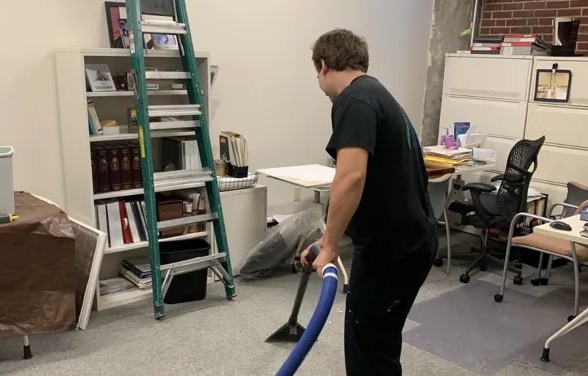
Local Contents Cleaning & Restoration for Port St. Lucie Residents
After water damage, the building is only part of the job. In Port St. Lucie, furniture, clothing, papers, electronics and keepsakes can be ruined by water that sits in a room for a day or two.
A leak in Port St. Lucie can soak a room full of belongings overnight. Local contents cleaning experts serve Port St. Lucie and nearby River Park, North River Shores and Indian River Estates, with help available around the clock.
Complete Contents Cleaning & Restoration Solutions in Port St. Lucie
Art Restoration Services
Art is never wiped or dried with heat. It is kept in a cool, dry place until a specialist can look at it.
Water Damaged Furniture Restoration
Upholstered furniture soaked by clean water can sometimes be dried and cleaned. Pieces soaked by sewage or floodwater are usually discarded.
Electronics Restoration Services
Wet electronics are unplugged, moved out of the water and set aside. They should not be turned on until an electronics specialist checks them.
Contents Pack-Out Services
Pack-out moves belongings out of the wet area, with each item listed and boxed, so floors and walls can be dried and repaired.
Hard Contents Cleaning
Metal items are dried quickly to limit rust, and wood items are dried slowly to limit cracking.
Indicators You Require Contents Cleaning & Restoration
Unexplained Increased Humidity
A room that stays humid after a leak keeps belongings damp even if they never touched standing water.
Buckled Hardwood or Laminate
Buckled floors under furniture mean the furniture legs and bases have likely been sitting in water too.
Swollen or Warped Wood Joints
Wood furniture with swollen or loose joints has absorbed water and needs slow drying.
Persistent Damp Odors in Rooms
A damp, musty smell in a room often comes from wet fabrics, rugs or boxes as well as walls.
How Contents Cleaning & Restoration Works in Port St. Lucie
Step 1: Sorting and Categorization
Belongings are sorted by material and by the type of water they touched.
Step 2: Content Stabilization
Wet items are moved out of damp rooms and set where they can begin to dry safely.
Step 3: Cleaning and Sanitizing
Items are cleaned with methods suited to each material, and disinfected if water was dirty.
Step 4: Drying and Odor Control
Items are dried fully, and lingering odors are treated before items are packed away.
Typical Events Leading to Contents Cleaning & Restoration
Natural Flooding From Storms
Floodwater from storms soaks belongings stored on lower floors and in garages and sheds.
Sewage Backup or Toilet Overflows
Sewage backups and toilet overflows contaminate rugs, furniture and items on the floor.
HVAC System Condensation Issues
AC drain overflows soak closets and the clothes and boxes stored inside them.
Fire Suppression System Activation
A damaged or triggered fire sprinkler can soak every item in a room.
Residential & Commercial Contents Cleaning & Restoration in Port St. Lucie
Residential Contents Cleaning & Restoration
Renters need their belongings listed separately from the landlord's building damage, since different insurance policies usually cover each.
Commercial Contents Cleaning & Restoration
Property managers in multi-unit buildings get separate contents lists and photos for each affected unit, which keeps claims organized.
Contents Cleaning & Restoration vs. Handling It Yourself
You can hang wet clothing to dry, spread out wet papers and take photos of everything. Wood furniture, electronics and art need slower, more careful drying.
Factors Influencing Contents Cleaning & Restoration Pricing
Specialist work on electronics, art and documents is usually priced separately from the main contents cleaning & restoration in Port St. Lucie and depends on the items.
Drying and Deodorization
Drying and deodorizing soft items such as rugs and upholstery takes extra time and equipment.
Type of Damage
Clean water damage leaves more items cleanable than sewage or floodwater damage.
Restoration Complexity
Antiques and delicate pieces take more careful cleaning than everyday household items.
Does Insurance Cover Contents Cleaning & Restoration?
Some policies pay replacement cost and others pay actual cash value for contents. Ask your adjuster which applies to your claim.
Advantages of Expert Contents Cleaning & Restoration
Documented Damage Assessment
Photos and a room-by-room item list are kept to support your contents insurance claim.
Sanitizing Contents
Hard items that touched dirty water are cleaned and disinfected before they come back.
Textile Care
Clothing, linens and upholstery are sorted and cleaned by fabric type and water source.
24/7 Emergency Contents Cleaning & Restoration Response
The faster belongings leave the wet room, the more can be saved. Call (772) 758-7923 for contents cleaning & restoration in Port St. Lucie as soon as you find the water.
Call Now (772) 758-7923Contents Cleaning & Restoration for Port St. Lucie and Nearby Communities
Help with contents cleaning & restoration reaches River Park, North River Shores and Indian River Estates, plus other communities around Port St. Lucie, for houses, apartments and offices.
Your Contents Cleaning & Restoration Questions Addressed
What happens to items that cannot be saved?
They are photographed and listed before disposal, so you have a record for your insurance claim.
How is art restoration handled after water damage?
They are moved out of damp rooms, kept cool and dry, photographed and set aside for a conservator.
Are my contents tracked during off-site storage?
Yes. Items are listed and labeled by room before they leave, and checked off when they are returned.
What happens during textile clothing restoration after water damage?
Fabrics are sorted by type and water source, then laundered, dry cleaned or discarded based on condition.
How does odor removal from contents work after water damage?
By drying and cleaning the items. Items that still smell after cleaning may be deodorized or discarded.