Port St. Lucie, FL · St. Lucie County
Water-Damaged Flooring Removal in Port St. Lucie, FLTile Floor Water Cleanup & Vinyl Floor Water Damage
Water-Damaged Flooring Removal in Port St. Lucie addresses laminate flooring removal, tile floor water cleanup and subfloor drying services.
Answered 24/7
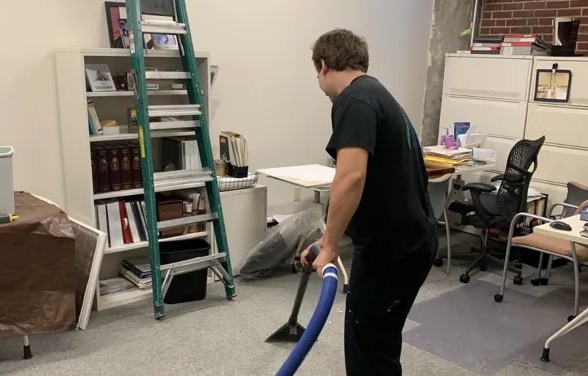
Your Local Water Extraction Pros for Water-Damaged Flooring Removal in Port St. Lucie
Removing water-damaged flooring in homes throughout Port St. Lucie, prevents structural decay under the surface. Without it, water keeps soaking into subfloors and causes warping and buckling.
In Port St. Lucie, ZIP codes 34952, 34953, 34983, 34984, 34986, 34987, 34988 and 34985, wet carpet and hardwood are frequent calls after indoor flooding. Local pros remove surface water and dry hidden moisture underneath.
Water-Damaged Flooring Removal and Related Services in Port St. Lucie
Tile Floor Water Cleanup
Water soaks through grout into the underlayment, so the water extraction pros extract water and dry the base under the tile.
Vinyl Floor Water Damage
Even waterproof vinyl can trap water underneath, so pros remove it in the wet area and dry.
Emergency Floor Water Extraction
In Port St. Lucie, pros extract water first to keep it from moving under walls or into other rooms.
Hardwood Floor Water Damage
Pros check whether water got past the finish, since warping or black stains usually mean replacement.
Wet Carpet Removal
Soggy carpet starts to smell quickly, so pros remove it and the pad and dry the floor underneath.
Signs That Require Water-Damaged Flooring Removal
Cracked or Peeling Floor Finish
Finish flaking off hardwood or vinyl suggests water has broken down the protective coating.
Laminate Flooring Edge Swelling
Swollen laminate edges are a clear sign the planks have absorbed water.
Musty Odors From Floors
An earthy smell from the floor often means moisture is trapped under the surface.
Loose or Lifting Floor Tiles
Loose tiles or bubbling laminate planks show the adhesive or core has been weakened by water.
How Water-Damaged Flooring Removal Works in Port St. Lucie
Step 1: Initial Assessment and Plan
Pros check the flooring type, water source and damage to plan removal and drying.
Step 2: Floor Water Extraction
Powerful vacuums extract standing water from surfaces and the layers beneath them.
Step 3: Damaged Flooring Demolition
Cupped hardwood, loose tile and other ruined materials are removed from the site.
Step 4: Achieve Dryness Standards
Drying continues until the subfloor and nearby materials meet accepted dry standards.
What Causes Water Damage in Port St. Lucie
Plumbing Fixture Failures
Leaky supply lines under sinks, toilet overflows or failed valves soak nearby flooring.
Fire Suppression System Activation
An accidental sprinkler discharge releases a large amount of water onto floors quickly.
Pet Accidents and Spills
Repeated pet accidents or large spills that are not dried can soak into flooring seams.
Roof Leaks During Storms
Rain through a damaged roof often runs down walls and pools on upper floors.
Water-Damaged Flooring Removal for All Properties in Port St. Lucie
Residential Water-Damaged Flooring Removal
At home, pros map moisture under floating floors and around toilet bases to plan removal and drying precisely.
Commercial Water-Damaged Flooring Removal
Commercial entryways and break rooms need wet vinyl removed quickly and the concrete slab prepared for new flooring.
The Risks of DIY Water-Damaged Flooring Removal in Port St. Lucie
For a small fresh spill, blot water from hardwood, laminate or tile with towels and lift rug corners to air them. If there is standing water or the floor feels spongy, contact the pros.
Cost Considerations for Water-Damaged Flooring Removal in Port St. Lucie
Hard-to-reach areas and difficult materials like glued tile or parquet take longer to remove and cost more as a result.
Flooring Material Type
Removing wet carpet is simpler than removing hardwood, which needs careful handling.
Contamination Level
Floodwater with sewage or chemicals requires extra safety steps during the extraction.
Affected Square Footage
Larger wet areas need more labor time, hauling and disposal for the job.
Does Insurance Cover Water-Damaged Flooring Removal?
Coverage for flooring removal is never certain. The pros create a clear record of the damage, but your insurer interprets the policy and makes payments.
Reasons to Select Local Pros for Water-Damaged Flooring Removal in Port St. Lucie
Focused Material Removal
Only ruined materials are removed, and anything that can be saved is kept in place.
Containment and Safety
Containment controls dust and debris during removal, protecting clean rooms in the house.
Clear Communication
Each step of removal and drying is explained clearly, with nothing hidden from you.
Round-the-Clock Water-Damaged Flooring Removal in Port St. Lucie
Act fast after a flood by calling the pros at (772) 758-7923. The pros are ready around the clock to remove soaked flooring and limit damage to the structure.
Call Now (772) 758-7923Water-Damaged Flooring Removal Near Port St. Lucie: Areas Served
Vinyl and laminate flooring removal is available in Port St. Lucie and nearby places such as River Park, North River Shores and Indian River Estates.
Frequently Asked Questions About Water-Damaged Flooring Removal
What are signs of vinyl floor water damage?
Buckling, lifting edges, a spongy feel or discoloration show water under the vinyl and adhesive.
Are baseboards affected during this process?
Baseboards often absorb water and may need removal or drying to keep moisture from staying behind walls.
How is tile floor water damage assessed?
A moisture check looks for water under the tiles; if the grout or subfloor is soaked, some tile may come up.
What follows emergency floor water extraction?
Pros decide which flooring must come out, then set up drying equipment for the structure underneath.
Why is a floor moisture inspection critical?
Meters find hidden moisture that can warp materials or cause odors after the flooring is removed.