Gulf Stream, FL · Palm Beach County
Clean Water Extraction (Category 1) in Gulf Stream, FLClean Water Removal From Flooring & Ceiling Leak Water Removal
Clean Water Extraction (Category 1) in Gulf Stream runs from standing water pump out and appliance leak water cleanup to wall cavity water extraction.
Answered 24/7
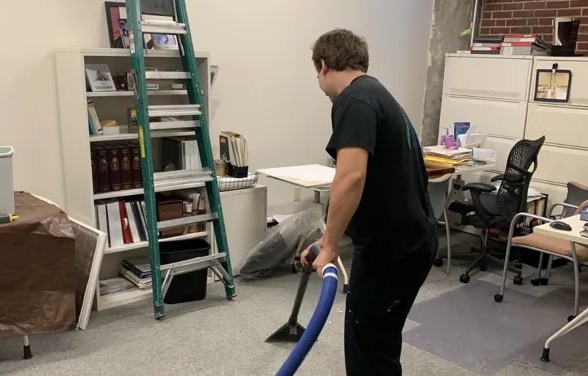
Clean Water Extraction (Category 1) Solutions in Palm Beach County
Clean Water Extraction (Category 1) in Gulf Stream ends with dry readings across the affected area. That is what lets floors, walls and cabinets be repaired or refinished without trapping moisture.
A supply line break in Gulf Stream can flood a room quickly. Local restoration pros serve Gulf Stream and nearby Briny Breezes, Ocean Ridge and Boynton Beach, with help available around the clock.
Complete Clean Water Extraction (Category 1) Services in Gulf Stream
Clean Water Removal From Flooring
Clean water is removed from every type of flooring in the affected area, from carpet to tile to wood, using the method that suits each.
Ceiling Leak Water Removal
Clean water dripping through a ceiling from a pipe or fixture above is drained, and wet drywall and insulation are removed where needed.
Wall Cavity Water Extraction
Moisture readings show how high water wicked into the wall, so only the wet part is opened.
Hard Surface Floor Drying
Tile, sealed concrete and hardwood are squeegeed and extracted, then dried with air movers. Grout lines and seams are checked for water underneath.
Appliance Leak Water Cleanup
Appliance leaks often spread under the appliance and into the subfloor. The appliance is pulled out so the area beneath can be dried.
Signs You Need Emergency Clean Water Extraction (Category 1) in Gulf Stream
Musty Odors After a Leak
A musty smell a day or two after a leak means water is still trapped in carpet, walls or subfloor.
Damp Hardwood or Tile Floors
Hardwood or tile that feels damp, or grout that stays dark, has water soaking in or underneath.
Damp or Soft Drywall
Drywall that feels soft or damp near the floor has wicked up water from a leak.
High Indoor Humidity
A room that feels damp or fogs windows after a leak still has wet materials releasing moisture.
How Clean Water Extraction (Category 1) Works in Gulf Stream
Step 1: Containment and Content Protection
Furniture is moved or blocked up, and dry rooms are protected from the spreading water.
Step 2: High-Volume Water Extraction
Pumps and extractors pull water from floors, carpet and under cabinets and appliances.
Step 3: Applied Structural Drying
Air movers and dehumidifiers dry walls, floors and framing, adjusted as readings drop.
Step 4: Final Clearance Readings
Readings across the area are compared to dry rooms before equipment is removed.
Typical Origins of Category 1 Water in Gulf Stream
AC Condensate Drain Clogs
A clogged AC condensate drain overflows clean condensate water into closets and ceilings.
Fire Sprinkler Activation
A damaged or triggered fire sprinkler releases clean water across a room.
Water Heater Failure
Water heaters leak or burst as tanks corrode and fittings wear out.
Supply Line Breaks
Toilet, faucet and appliance supply lines split or loosen and release water under pressure.
Local Clean Water Extraction (Category 1) for All Properties in Gulf Stream
Residential Clean Water Extraction (Category 1)
In homes, clean water leaks usually come from laundry rooms, kitchens and water heater closets. Water is extracted, belongings protected and floors and walls dried so they can stay.
Commercial Clean Water Extraction (Category 1)
In offices and stores, a supply line break can soak carpet and walls across several rooms. Extraction and drying are planned around business hours to keep the space open.
The Risks of DIY Clean Water Extraction (Category 1) in Gulf Stream
If clean water has been sitting for more than a day, it may no longer be clean. Call local restoration pros to check before deciding what can be dried.
What Affects Clean Water Extraction (Category 1) Cost in Gulf Stream?
Appliance or plumbing repairs are separate from water extraction and drying. In Gulf Stream, both are usually needed after a leak.
Water Category and Source
Clean water costs less to handle than gray or black water, since more materials can be dried in place.
Equipment Needs
The number of air movers, dehumidifiers and pumps needed, and for how long, drives much of the cost.
Access and Complexity
Crawl spaces, tight closets and areas under cabinets take more work to reach and dry.
Does Insurance Cover Clean Water Extraction (Category 1)?
The failed appliance or pipe itself is often not covered, even when the water damage is. Ask your adjuster how your policy treats each.
Why Choose Local Pros for Clean Water Extraction (Category 1) in Gulf Stream
Content Protection and Moving
Furniture and belongings are moved or blocked up so they stay dry and do not stain carpet.
Industry Drying Standards
Drying follows industry water damage standards, with readings taken at every visit.
Moisture Detection
Meters and thermal cameras find clean water hidden under floors and inside walls.
24/7 Clean Water Extraction (Category 1) Available in Gulf Stream
Supply hose burst and water still spreading across the floor? Shut off the main and call (772) 758-7923 now for clean water extraction (category 1) in Gulf Stream.
Call Now (772) 758-7923Clean Water Extraction (Category 1) Near Gulf Stream: Local Service Area
Nearby areas served for clean water extraction (category 1) include Briny Breezes, Ocean Ridge and Boynton Beach, with the same extraction and drying steps used in Gulf Stream.
- Clean Water Extraction (Category 1) in Briny Breezes
- Clean Water Extraction (Category 1) in Ocean Ridge
- Clean Water Extraction (Category 1) in Boynton Beach
- Clean Water Extraction (Category 1) in Delray Beach
- Clean Water Extraction (Category 1) in Village of Golf
- Clean Water Extraction (Category 1) in Hypoluxo
- Clean Water Extraction (Category 1) in Manalapan
- Clean Water Extraction (Category 1) in San Castle
Clean Water Extraction (Category 1) Information and FAQs
Why is content protection part of water extraction?
Furniture and belongings in wet areas can stain carpet and absorb water, so they are moved or blocked up early.
Does a ceiling leak need special extraction methods?
Yes. The ceiling is drained through a small opening, wet insulation is removed and the cavity above is dried.
How quickly should standing water be removed?
Right away. Clean water soaks into materials within hours and can become contaminated if it sits for more than a day or two.
What happens after the water is pumped out?
Carpet and floors are extracted, walls and subfloors are checked with meters and drying equipment runs until readings are normal.
What tools are used for home water extraction?
Submersible pumps, extractors, weighted carpet tools, air movers, dehumidifiers, moisture meters and thermal cameras.