San Castle, FL · Palm Beach County
Clean Water Extraction (Category 1) in San Castle, FLHard Surface Floor Drying & Clean Water Removal From Flooring
Clean Water Extraction (Category 1) in San Castle runs from standing water pump out and appliance leak water cleanup to wall cavity water extraction.
Answered 24/7
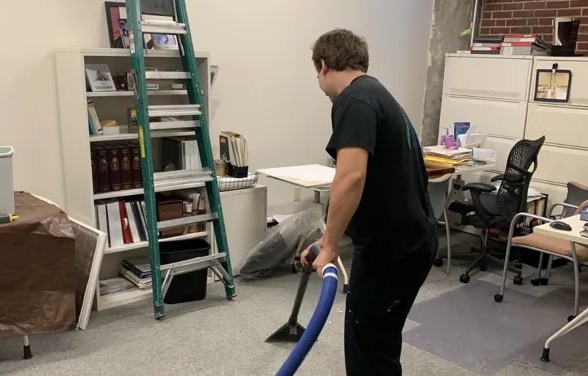
Clean Water Extraction (Category 1) Solutions in Palm Beach County
Clean Water Extraction (Category 1) in San Castle ends with dry readings across the affected area. That is what lets floors, walls and cabinets be repaired or refinished without trapping moisture.
In San Castle, many clean water calls start with a burst washer hose or water heater leak. Local water removal experts serve San Castle, Hypoluxo, Manalapan and Lantana, extracting the water and drying floors and walls.
Clean Water Extraction (Category 1) and Water Removal in Palm Beach County
Hard Surface Floor Drying
Hardwood is dried slowly with dehumidifiers and, where needed, drying mats that pull water from the boards without cracking them.
Clean Water Removal From Flooring
Clean water is removed from every type of flooring in the affected area, from carpet to tile to wood, using the method that suits each.
Standing Water Pump Out
Standing water from a supply line or appliance is pumped out with submersible pumps when it is more than shallow, then floors are extracted.
Ceiling Leak Water Removal
The ceiling cavity is dried along with the room below, so both levels are back to normal before repairs.
Wall Cavity Water Extraction
Water that soaked into the bottom of walls is reached through small holes or removed baseboards, then the cavity is dried with directed airflow.
Indicators for Professional Clean Water Extraction (Category 1) in San Castle
Puddles in Unused Rooms
Water appearing in rooms no one uses often comes from a hidden supply line leak inside a wall or under a floor.
Furniture in Wet Areas
Furniture sitting in wet areas can stain carpet and swell at the legs, and should be moved or blocked up.
Damp Hardwood or Tile Floors
Hardwood or tile that feels damp, or grout that stays dark, has water soaking in or underneath.
Buckling Laminate Flooring
Laminate that buckles, cups or lifts at the seams has water trapped underneath it.
How Clean Water Extraction (Category 1) Works in San Castle
Step 1: Emergency Water Inspection
The source and type of water are confirmed, and the wet area is mapped with moisture meters.
Step 2: Standing Water Pump Out
Deep water is pumped out, and floors are extracted once the water is shallow enough.
Step 3: Targeted Moisture Removal
Carpet, hard floors and wall bases are extracted and dried with directed airflow.
Step 4: Drying Verification and Documentation
Daily readings track drying, and a final log confirms the area is back to normal.
Typical Origins of Category 1 Water in San Castle
Roof Leaks From Rain
Rain entering through a roof leak is usually clean when it first reaches the ceiling and floor.
Hydrostatic Pressure in Slabs
Groundwater pressure under a slab can push clean water up through cracks in the floor.
Plumbing Fixture Leaks
Faucets, valves and fixtures develop slow leaks that wet cabinets and floors over time.
AC Condensate Drain Clogs
A clogged AC condensate drain overflows clean condensate water into closets and ceilings.
Clean Water Extraction (Category 1) Services for San Castle Homes and Offices
Residential Clean Water Extraction (Category 1)
In two-story homes, a clean water leak upstairs often reaches the ceiling below. Both levels are extracted and dried.
Commercial Clean Water Extraction (Category 1)
Warehouses and large spaces may need extra pumps and dehumidifiers for open floors, sized to the area that got wet.
Professional Clean Water Extraction (Category 1) or DIY in San Castle?
You can shut off the water, move belongings, set furniture on blocks and take photos. Extracting water from carpet pad and drying walls needs professional equipment.
Clean Water Extraction (Category 1) Cost Variables in Palm Beach County
Appliance or plumbing repairs are separate from water extraction and drying. In San Castle, both are usually needed after a leak.
Emergency Service Timing
Night, weekend and holiday calls can cost more than a scheduled weekday visit.
Material Saturation Level
Materials soaked through take longer to dry than materials that were only damp on the surface.
Equipment Needs
The number of air movers, dehumidifiers and pumps needed, and for how long, drives much of the cost.
Does Insurance Cover Clean Water Extraction (Category 1)?
Coverage for clean water extraction (category 1) depends on the cause and your policy. The pros document the damage and the drying, and your insurer decides what is covered.
The Value of Professional Clean Water Extraction (Category 1) in San Castle
Drying Plan
Drying follows a set plan based on readings, with equipment moved as each area dries.
Content Protection and Moving
Furniture and belongings are moved or blocked up so they stay dry and do not stain carpet.
Source Analysis
The pros find the leak source and note it, so the right repair is made.
Emergency Clean Water Extraction (Category 1) Response for San Castle
Clean water soaks into floors and walls fast and can turn dirty if left. Call (772) 758-7923 for clean water extraction (category 1) in San Castle at any hour.
Call Now (772) 758-7923Clean Water Extraction (Category 1) Coverage in San Castle, Hypoluxo, Manalapan and Lantana
Clean water extraction also covers homes and businesses in Hypoluxo, Manalapan and Lantana, close to San Castle, day or night.
- Clean Water Extraction (Category 1) in Hypoluxo
- Clean Water Extraction (Category 1) in Manalapan
- Clean Water Extraction (Category 1) in Lantana
- Clean Water Extraction (Category 1) in South Palm Beach
- Clean Water Extraction (Category 1) in Boynton Beach
- Clean Water Extraction (Category 1) in Atlantis
- Clean Water Extraction (Category 1) in Seminole Manor
- Clean Water Extraction (Category 1) in Lake Worth Beach
- Emergency Damage Restoration in 33462
- Storm Damage Restoration in 33462
- Water Damage Restoration in 33462
- Water Extraction Service in 33462
- Water Leak Detection in 33462
- Water Removal Service in 33462
Clean Water Extraction (Category 1) FAQs for San Castle Homeowners
What tools are used for home water extraction?
Submersible pumps, extractors, weighted carpet tools, air movers, dehumidifiers, moisture meters and thermal cameras.
Does a ceiling leak need special extraction methods?
Yes. The ceiling is drained through a small opening, wet insulation is removed and the cavity above is dried.
Are air movers and dehumidifiers always necessary?
For anything beyond a small surface spill, yes. The pros dry the water that soaked into carpet, walls and subfloors.
What methods are used for water behind walls?
Small holes or removed baseboards let air into the cavity, wet insulation is removed and the wall is dried until readings are normal.
What is involved in hard surface floor drying?
Extracting water from tile, concrete or wood, checking grout and seams for water underneath and drying with air movers and dehumidifiers.