Greenacres, FL · Palm Beach County
Tile Floor Water Damage Restoration in Greenacres, FLTile Floor Drying Services & Tile Floor Water Extraction
Tile Floor Water Damage Restoration in Greenacres covers tile floor water extraction, tile floor water damage repair and tile floor mold prevention.
Answered 24/7
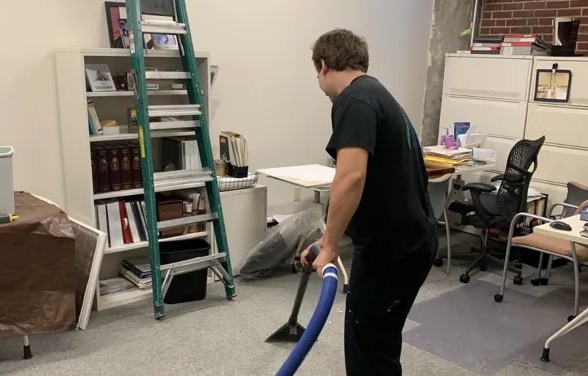
Tile Floor Water Damage Restoration Experts Serving Greenacres, Florida
Tile floors in Greenacres are durable, but water exposure can compromise grout and subflooring. Prompt tile floor water damage restoration prevents costly long-term repairs and maintains a home's integrity by addressing hidden moisture and potential mold growth.
Across Greenacres and nearby places like Kenwood Estates, Palm Springs and Pine Air, water damaged tile floors need expert care to restore their appearance and function. The tile floor water damage cost can escalate if moisture isn't fully removed.
Key Tile Floor Water Damage Restoration Services Offered in Greenacres
Tile Floor Drying Services
Incomplete drying leads to long-term problems like mold and floor failure. Professionals implement a structured drying plan using commercial-grade equipment to circulate air and remove humidity.
Tile Floor Water Extraction
Standing water on tile flooring requires extraction to stop migration beneath the surface, a common issue for properties in Greenacres.
Water Under Tile Flooring Removal
Pros use injection drying through grout lines or lift select tiles to reach and dry the subfloor, so the repair lasts.
Tile Floor Water Damage Repair
Water can loosen tile adhesive and make tiles lift. Pros check each tile and re-set or replace the ones that have come loose.
Tile Floor Moisture Inspection
Before any work begins, a thorough inspection defines the project scope. Pros document moisture levels, photograph the damage, and create a report.
Common Signs Requiring Tile Floor Water Damage Restoration
Efflorescence on Tile Surface
A white, powdery residue on tiles is efflorescence, a mineral deposit left by evaporating water. It signals previous moisture issues that need addressing.
Squeaking Sounds When Walking
Squeaks or creaks from a tile floor when walked upon can mean the underlayment is compromised by water. This is a subtle sign of water damage.
Tile Floor Discoloration
Water damaged tile floors often show dark spots or light patches where moisture has altered the surface. This discoloration is a clear warning sign of ongoing moisture issues.
Grout Crumbling Away
Grout that cracks, crumbles or falls out between tiles often means water is getting underneath.
How Tile Floor Water Damage Restoration Works in Greenacres
Step 1: Initial Damage Assessment
The Tile Floor Water Damage Restoration process starts with a detailed assessment to determine the source, extent, and category of water affecting the tile floor and subfloor.
Step 2: Water Removal and Cleanup
All standing water is extracted, followed by wet tile floor cleanup of debris and contaminants.
Step 3: Structural Drying Phase
Specialized drying equipment creates airflow and controls humidity to methodically remove moisture from the tile installation system and prevent warping.
Step 4: Verification and Final Repair
Final moisture readings verify dryness. Any compromised tiles are then addressed with matching replacements, completing the flooded tile floor restoration.
Sources of Water Damage for Tile Floor Water Damage Restoration
Window or Door Seal Failure
Failed seals around windows or exterior doors let rain in to pool on interior tile floors.
Improper Initial Tile Installation
Tile installed without a proper moisture barrier or waterproof underlayment is vulnerable to water intrusion from above, leading to premature failure.
Appliance Leaks and Malfunctions
Dishwashers, washing machines, water heaters, and refrigerators with ice makers can leak slowly, saturating the subfloor beneath adjacent tile flooring over time.
Pet Water Bowl Spills
Repeated spills from a pet's water bowl, especially on unsealed tile or grout, can allow water to penetrate and cause localized tile floor water damage.
Tile Floor Water Damage Restoration for All Properties in Greenacres
Residential Tile Floor Water Damage Restoration
In homes, water is removed from tile gently so tiles do not crack. Local tile floor water damage pros then dry the floor and subfloor to save the tile.
Commercial Tile Floor Water Damage Restoration
In commercial spaces with large tiled areas, pros set up many air movers and dehumidifiers to dry the floor so the business can reopen.
Tile Floor Water Damage Restoration vs. DIY: When to Call Local Pros
Inspecting visible tiles for cracks or looseness after they dry is something a property owner can do. Document any changes with photos for your insurer.
Understanding Tile Floor Water Damage Restoration Costs in Greenacres
Price depends on the drying time, how hard the water is to extract and the size of the affected area.
Extent of Damage
The square footage of water damaged tile floors and depth of saturation directly influence the restoration scope and cost.
Subfloor Condition
Removing water under tile flooring and assessing the subfloor for damage can add steps to the repair process.
Water Source Category
Clean water from a supply line is simpler to address than contaminated flood water, affecting the tile floor cleanup process.
Does Insurance Cover Tile Floor Water Damage Restoration?
Your homeowners insurance may cover tile floor water damage if the cause is a sudden, accidental event like a burst pipe. The pros create detailed reports for your insurer.
Benefits of Local Pros for Tile Floor Water Damage Restoration in Greenacres
IICRC-Standard Methods
The pros use industry-standard procedures for tile floor water extraction and drying to promote effective damage control.
24/7 Emergency Response
Help is available any time to begin the tile floor water damage process and limit secondary issues.
Mold Prevention Focus
Addressing humidity quickly is part of tile floor mold prevention to safeguard your indoor air quality.
Emergency Tile Floor Water Damage Restoration Response for Greenacres
Water on your tile floor? Call (772) 758-7923 any hour to start water removal and drying before it seeps under the tile.
Call Now (772) 758-7923Tile Floor Water Damage Restoration Coverage in Palm Beach County
Wet tile floor cleanup and drying services are available throughout Greenacres. The pros cover Greenacres and the vicinity, including Kenwood Estates, Palm Springs and Pine Air.
- Tile Floor Water Damage Restoration in Kenwood Estates
- Tile Floor Water Damage Restoration in Palm Springs
- Tile Floor Water Damage Restoration in Pine Air
- Tile Floor Water Damage Restoration in Atlantis
- Tile Floor Water Damage Restoration in Seminole Manor
- Tile Floor Water Damage Restoration in Gun Club Estates
- Tile Floor Water Damage Restoration in Lake Worth Beach
- Tile Floor Water Damage Restoration in Lantana
- Emergency Damage Restoration in 33454
- Storm Damage Restoration in 33454
- Water Damage Restoration in 33454
- Water Extraction Service in 33454
- Water Leak Detection in 33454
- Water Removal Service in 33454
- Emergency Damage Restoration in 33467
- Storm Damage Restoration in 33467
Frequently Asked Questions About Tile Floor Water Damage Restoration
How does tile floor water extraction work?
Powerful truck-mounted or portable extractors remove standing water, while specialized tools pull moisture from grout lines and from under the tiles.
What is the goal of flooded tile floor restoration?
The aim is to return the floor to its pre-loss condition, both how it looks and how solid it is.
What tools are used for tile floor water damage inspection?
Inspections utilize tools like moisture meters, hygrometers, thermal imaging cameras, and sometimes borescopes to accurately assess both visible and concealed water damage within the flooring assembly.
Does tile floor mold prevention require special chemicals?
As part of a complete drying protocol, the pros may apply EPA-registered antimicrobial solutions during the cleaning phase to inhibit mold on the affected surfaces.
Why is quick action critical for tile floor water damage?
A start to extraction and drying minimizes absorption, limits damage to the subfloor, and drastically reduces the risk of mold development.