Roseland, FL · Indian River County
Temperature-Controlled Drying in Roseland, FLAir Mover Placement For Drying & Water Damage Drying Logs
For Temperature-Controlled Drying in Roseland, local moisture control experts handle thermal drying for water damage, humidity control for restoration, and drying equipment deployment to prevent mold.
Answered 24/7
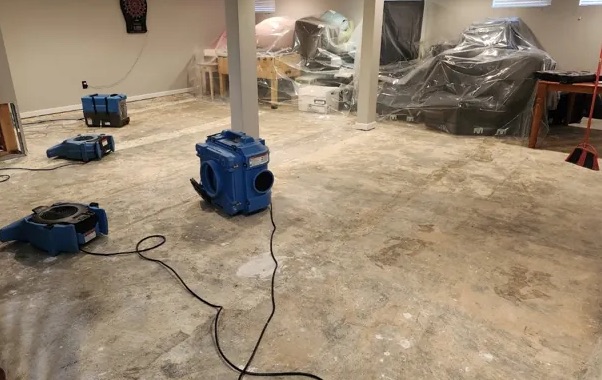
Professional Temperature-Controlled Drying in Roseland, FL
In Roseland, water trapped in subfloors, wall cavities or behind cabinets dries slowly because the air there does not move.
In Roseland and nearby Sebastian, Micco and Barefoot Bay, local pros map moisture in walls and subfloors, then fit thermal drying and humidity control to the materials in the building.
Comprehensive Temperature-Controlled Drying Solutions for Roseland
Air Mover Placement for Drying
Expert deployment of air movers displaces the saturated air layer clinging to wet materials. Proper placement helps ensure every surface receives directed airflow, the engine of evaporation.
Water Damage Drying Logs
Key data like psychrometric readings and material moisture content are meticulously recorded. These logs show a clear trend toward dryness, confirming the job's success.
Drying Equipment Deployment
The experts choose the mix of air movers, dehumidifiers and heaters from the size of the area, the materials and the moisture levels, then set it up to run safely.
Humidity Control for Restoration
The experts run dehumidifiers to pull water vapor out of the air, which draws more moisture out of wet surfaces and prevents secondary damage.
Moisture Mapping
The experts take regular moisture readings throughout the project. This monitoring verifies equipment performance and guides strategy adjustments.
Warning Signs Requiring Temperature-Controlled Drying in Roseland
Moisture Meter Shows High Readings
A moisture meter reading high inside walls or floors means drying is not finished.
Equipment Running With No Result
Fans or dehumidifiers that run for days without drying the area mean the moisture is deeper than household equipment can reach.
Soft Drywall or Sagging Ceiling
Drywall feels spongy to the touch or a ceiling sags downward. This softness means the material is saturated and structurally compromised.
Cold, Damp Feeling in a Room
A room feels noticeably colder and damper than the rest of the house. This sensation is often due to evaporative cooling from wet materials.
How Temperature-Controlled Drying Works in Roseland
Step 1: Site Evaluation and Equipment Planning
The pros evaluate the site to determine the type and quantity of drying tools needed.
Step 2: Drying Equipment Setup
Industrial air movers and dehumidifiers are set up in the affected zones right away.
Step 3: Controlled Humidity Management
Dehumidifiers pull moist air out of the room, which keeps the air dry enough for materials to keep drying.
Step 4: Progress Tracking With Drying Logs
Temperature, humidity and moisture readings are recorded each day in a drying log.
What Leads to Needing Temperature-Controlled Drying in Roseland
Inadequate Initial Water Extraction
Water left behind after a leak or flood moves into subfloors and walls, where it is harder to dry.
Foundation Cracks and Seepage
Hydrostatic pressure forces groundwater through cracks in the foundation wall. This seepage creates a constant dampness that challenges standard drying technology.
Poor Ventilation After a Flood
Closing up a wet room traps humid air, which slows drying and lets moisture soak further into materials.
Overflowing Sinks or Bathtubs
A simple blockage or forgetfulness leads to an overflow event. Water spreads quickly, soaking cabinetry and flooring, and requires thorough drying equipment deployment.
Residential and Commercial Drying in Roseland, FL
Residential Temperature-Controlled Drying
In condos and apartments, containment barriers and negative air machines keep moisture from moving into neighboring units while drying runs.
Commercial Temperature-Controlled Drying
Restaurants and food service businesses need rapid, sanitary drying to comply with health regulations after a water event. The pros use specialized equipment and antimicrobial treatments during the drying process.
Professional Temperature-Controlled Drying vs. Do-It-Yourself in Roseland
A home's HVAC on 'fan only' mode can circulate air, but it is not a substitute for professional drying. A wet-dry vacuum can remove standing water from a very localized incident.
What Affects Temperature-Controlled Drying Cost in Roseland
In Roseland, the cost depends on how much drying equipment is used and how long it runs, plus the moisture readings taken along the way.
Access and Logistics
Challenging site access in Roseland can complicate equipment deployment and placement, potentially increasing setup time and labor requirements.
Structural Material Types
Porous materials like concrete or dense wood require more aggressive drying strategies and extended monitoring, influencing the project timeline and cost.
Humidity Control Measures
Controlling humidity in tight spaces often takes specialized drying equipment and frequent adjustments.
Does Insurance Cover Temperature-Controlled Drying?
Whether insurance pays for thermal drying for water damage depends on your policy's specific language and the cause of loss. The pros meticulously record moisture levels and drying progress to create a verifiable log for your adjuster.
The Value of Local Moisture Control Experts for Temperature-Controlled Drying in Roseland, FL
Advanced Moisture Mapping
Moisture meters and thermal cameras find hidden wet pockets so every affected material is dried.
Ongoing Moisture Monitoring
Regular checks with moisture meters verify that drying goals are met, helping ensure no residual dampness remains within walls or floors.
Targeted Thermal Drying
Applying directed heat energy safely accelerates the drying of dense materials, reducing the overall timeline for the restoration project.
Emergency Moisture Control in Roseland
Water damage gets worse quickly as moisture spreads into materials. Call (772) 758-7923 24 hours a day to start drying in Roseland.
Call Now (772) 758-7923Temperature-Controlled Drying for Roseland and Surrounding Regions
Local pros dry structures and control humidity in Roseland and communities such as Sebastian, Micco and Barefoot Bay.
- Temperature-Controlled Drying in Sebastian
- Temperature-Controlled Drying in Micco
- Temperature-Controlled Drying in Barefoot Bay
- Temperature-Controlled Drying in Wabasso
- Temperature-Controlled Drying in Fellsmere
- Temperature-Controlled Drying in Orchid
- Temperature-Controlled Drying in Winter Beach
- Temperature-Controlled Drying in Gifford
- Emergency Damage Restoration in 32957
- Storm Damage Restoration in 32957
- Water Damage Restoration in 32957
- Water Extraction Service in 32957
- Water Leak Detection in 32957
- Water Removal Service in 32957
Your Temperature-Controlled Drying Questions Addressed
How is drying progress verified during moisture monitoring?
Progress is verified by taking comparative moisture readings with penetrating and non-penetrating meters over time, ensuring levels drop to established dry standards for each material.
What are water damage drying logs used for?
Drying logs are detailed records of moisture readings, equipment settings, and progress; they provide documentation for the restoration process and are often required for insurance claims.
Can temperature-controlled drying prevent mold growth?
By rapidly removing moisture and controlling humidity, the process creates an environment where mold cannot thrive, significantly reducing the potential for mold.
Can rapid drying technology dry a property too quickly?
Yes, excessive heat or airflow can cause surface crusting, cracking, or other material stress, which is why professional drying balances speed with material-specific safety limits.
Why is moisture mapping important for drying?
Sensors measure moisture across the affected area to show exactly where it is wet, so equipment is aimed at the right spots.