Palm Springs, FL · Palm Beach County
Temperature-Controlled Drying in Palm Springs, FLWater Damage Drying Logs & Air Mover Placement For Drying
Temperature-Controlled Drying in Palm Springs by local temperature-controlled drying specialists addresses thermal drying for water damage, climate-controlled drying systems, and moisture mapping to restore property.
Answered 24/7
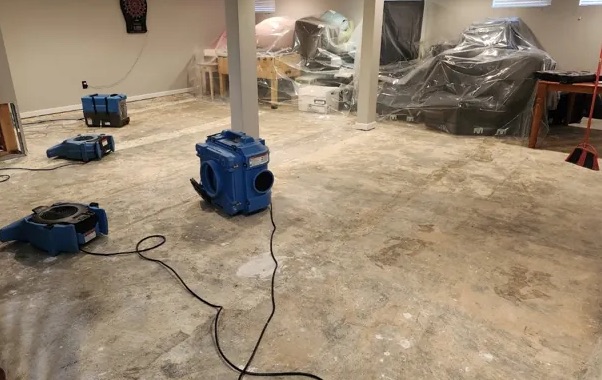
Temperature-Controlled Drying by Local Moisture Control Experts in Palm Springs
In Palm Springs, the air itself can slow drying. Local pros run industrial dehumidifiers to strip moisture from the air so wet materials dry faster.
In Palm Springs and nearby Kenwood Estates, Pine Air and Lake Worth Beach, local pros map moisture in walls and subfloors, then fit thermal drying and humidity control to the materials in the building.
Temperature-Controlled Drying Methods Available in Palm Springs
Water Damage Drying Logs
The specialists create detailed, timestamped drying logs. These records track initial readings, daily progress, and final verification, providing proof that industry-standard drying was followed.
Air Mover Placement for Drying
The specialists angle and space air movers in each room in Palm Springs so air flows evenly across every wet surface.
Drying Equipment Deployment
The specialists in Palm Springs position equipment to create the controlled environment. They set correct settings and may build containment barriers, turning the drying plan into action.
Thermal Drying for Water Damage
The specialists raise the room temperature in a controlled way to drive moisture out of dense materials like concrete slabs and beams, watching readings the whole time.
Moisture Mapping
Systematic testing identifies moisture content percentages in all building materials. The experts compare readings to known dry standards.
Signs You Need Professional Temperature-Controlled Drying in Palm Springs
Equipment Running With No Result
Fans or dehumidifiers that run for days without drying the area mean the moisture is deeper than household equipment can reach.
High Humidity Readings Inside
A hygrometer showing unusually high indoor humidity after water damage means the building is still wet.
Soft Drywall or Sagging Ceiling
Drywall feels spongy to the touch or a ceiling sags downward. This softness means the material is saturated and structurally compromised.
Damp Odors Persisting After Water
A musty smell lingers even after visible water is gone, indicating hidden moisture. That odor often signals mold or trapped dampness.
How Temperature-Controlled Drying Works in Palm Springs
Step 1: Establishing the Drying Environment
The first step involves preparing the area by removing debris and setting up containment if needed.
Step 2: Implementing the Drying Array
Air movers and dehumidifiers are paired in a planned layout to dry walls and floors.
Step 3: Executing Temperature-Controlled Drying
The system executes temperature-controlled drying, maintaining ideal conditions to draw moisture out of materials.
Step 4: Final Verification and Documentation
Final verification compares moisture readings in affected materials to known dry standards in the home.
Common Causes Requiring Structural Drying in Palm Springs
Storm-Driven Water Intrusion
Heavy rain overflows gutters or gets in around windows and soaks framing and insulation.
Sprinkler System Activation
A fire sprinkler discharges, releasing a large volume of water quickly. This event saturates entire areas and requires precise air mover placement and strategy.
HVAC System Condensation Issues
A clogged condensate drain line causes an overflow inside the air handler. This water can soak insulation and ductwork, creating a hidden moisture issue.
Undetected Plumbing Leaks
A slow drip behind a wall or under a slab saturates materials over time.
Residential & Commercial Temperature-Controlled Drying in Palm Springs
Residential Temperature-Controlled Drying
At home, moisture hides in attics, crawl spaces and behind finished walls. Pros map it before setting up equipment so the whole house dries.
Commercial Temperature-Controlled Drying
In offices, schools and clinics, pros use quieter drying equipment that can run in occupied spaces, and document when drying is complete.
Temperature-Controlled Drying vs. DIY Drying in Palm Springs
Letting a room air dry for days risks mold and lets moisture wick into nearby materials. Air movers and dehumidifiers dry it in a fraction of the time.
Investing in Professional Temperature-Controlled Drying in Palm Springs
In Palm Springs, cost depends on how complex the moisture mapping is and how much equipment the area needs.
Moisture Mapping Complexity
Checking moisture in layered floors or hidden cavities takes more time and equipment.
Extent of Water Damage
The larger the area that needs drying, the more equipment and labor the job takes.
Access and Logistics
Challenging site access in Palm Springs can complicate equipment deployment and placement, potentially increasing setup time and labor requirements.
Does Insurance Cover Temperature-Controlled Drying?
Coverage is not automatic and depends on your policy. The pros provide humidity readings and equipment logs for your claim file. Your insurer decides what is covered.
Benefits of Local Specialists for Temperature-Controlled Drying in Palm Springs
Targeted Thermal Drying
Applying directed heat energy safely accelerates the drying of dense materials, reducing the overall timeline for the restoration project.
Strategic Equipment Deployment
Air movers and dehumidifiers are placed according to a plan for even airflow and low humidity.
Structural Drying
The focus is on quickly extracting moisture from structural components to minimize warping, swelling, or the potential for mold growth.
Emergency Temperature-Controlled Drying Response for Palm Springs, FL
Don't let moisture settle in. For emergency deployment of drying equipment and strategic air mover placement to start controlled drying, reach the specialists directly at (772) 758-7923, available 24/7.
Call Now (772) 758-7923Temperature-Controlled Drying for Palm Springs and Surrounding Regions
Temperature-controlled drying is available for homes in Palm Springs and nearby places like Kenwood Estates, Pine Air and Lake Worth Beach.
- Temperature-Controlled Drying in Kenwood Estates
- Temperature-Controlled Drying in Pine Air
- Temperature-Controlled Drying in Lake Worth Beach
- Temperature-Controlled Drying in Greenacres
- Temperature-Controlled Drying in Glen Ridge
- Temperature-Controlled Drying in South Palm Beach
- Temperature-Controlled Drying in Gun Club Estates
- Temperature-Controlled Drying in Cloud Lake
- Emergency Damage Restoration in 33461
- Storm Damage Restoration in 33461
- Water Damage Restoration in 33461
- Water Extraction Service in 33461
- Water Leak Detection in 33461
- Water Removal Service in 33461
Temperature-Controlled Drying Information and FAQs
Can rapid drying technology dry a property too quickly?
Yes, excessive heat or airflow can cause surface crusting, cracking, or other material stress, which is why professional drying balances speed with material-specific safety limits.
Can temperature-controlled drying prevent mold growth?
By rapidly removing moisture and controlling humidity, the process creates an environment where mold cannot thrive, significantly reducing the potential for mold.
What is the difference between air movers and dehumidifiers?
Air movers evaporate moisture from surfaces into the air, and dehumidifiers pull it back out of the air.
What is temperature-controlled drying?
It is a drying method that controls heat and humidity together to remove moisture from building materials and contents safely and quickly.
What does drying equipment deployment involve?
Pros assess the loss, calculate how much equipment is needed and place air movers, dehumidifiers and sometimes heaters.