Ocean Ridge, FL · Palm Beach County
Temperature-Controlled Drying in Ocean Ridge, FLWater Damage Drying Logs & Drying Equipment Deployment
For Temperature-Controlled Drying in Ocean Ridge, local drying equipment pros handle thermal drying for water damage, humidity control for restoration, and drying equipment deployment to prevent mold.
Answered 24/7
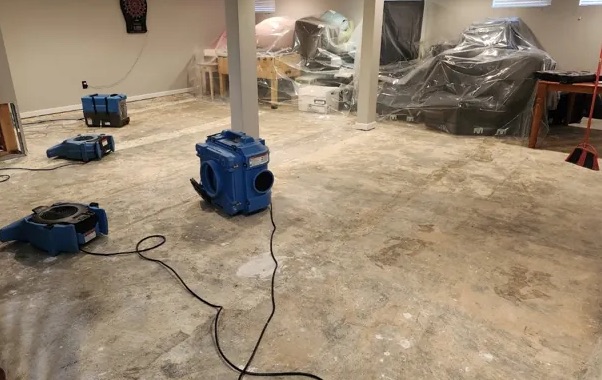
Expert Temperature-Controlled Drying Services in Ocean Ridge, Florida
In Ocean Ridge, water spreads quickly through wood and concrete. Local pros use controlled heat to drive moisture out of those materials faster.
In Ocean Ridge and nearby Boynton Beach, Briny Breezes and Gulf Stream, fast structural drying stops mold before it starts. Local pros map moisture, then use LGR dehumidifiers and planned air mover placement until readings are normal.
Advanced Temperature-Controlled Drying Techniques in Ocean Ridge
Water Damage Drying Logs
Key data like psychrometric readings and material moisture content are meticulously recorded. These logs show a clear trend toward dryness, confirming the job's success.
Drying Equipment Deployment
The pros choose the mix of air movers, dehumidifiers and heaters from the size of the area, the materials and the moisture levels, then set it up to run safely.
Moisture Mapping
The pros take regular moisture readings throughout the project. This monitoring verifies equipment performance and guides strategy adjustments.
Rapid Structural Drying Services
Rapid drying mitigates risk of long-term weaknesses or rot in wooden structures. The pros use specialized techniques like injecting dry air into wall cavities.
Humidity Control for Restoration
The pros run dehumidifiers to pull water vapor out of the air, which draws more moisture out of wet surfaces and prevents secondary damage.
Indicators for Temperature-Controlled Drying in Ocean Ridge Properties
Warping of Wood Floors or Trim
Floorboards begin to cup, buckle, or separate at the seams. This warping is a direct result of excessive, uneven moisture content.
Moisture Meter Shows High Readings
A moisture meter reading high inside walls or floors means drying is not finished.
Soft Drywall or Sagging Ceiling
Drywall feels spongy to the touch or a ceiling sags downward. This softness means the material is saturated and structurally compromised.
Equipment Running With No Result
Fans or dehumidifiers that run for days without drying the area mean the moisture is deeper than household equipment can reach.
How Temperature-Controlled Drying Works in Ocean Ridge
Step 1: Initial Moisture Survey and Readings
Pros take baseline moisture readings across the property to plan the drying.
Step 2: Precision Air Mover Placement
Air movers are placed at set angles and distances to target specific wet materials.
Step 3: Deployment of Drying Systems
Dehumidifiers are sized to the moisture load and the size of the space.
Step 4: Ongoing Monitoring and Adjustment
Equipment is moved and adjusted as materials dry, so drying keeps moving.
Typical Reasons for Drying Needs in Ocean Ridge
Storm-Driven Water Intrusion
Heavy rain overflows gutters or gets in around windows and soaks framing and insulation.
Appliance Malfunction or Overflow
A failed washing machine hose, water heater or dishwasher can release many gallons onto the floor.
Roof Leak During Heavy Rain
Wind-driven rain through a damaged roof or flashing can run down inside wall cavities, where it needs targeted drying.
Undetected Plumbing Leaks
A slow drip behind a wall or under a slab saturates materials over time.
Temperature-Controlled Drying for Homes and Businesses in Ocean Ridge
Residential Temperature-Controlled Drying
Residential restoration focuses on saving personal items and preventing long-term odors in living areas and bedrooms. The specialists employ thermal drying for water damage to gently yet effectively dry contents and building materials.
Commercial Temperature-Controlled Drying
In commercial settings, uncontrolled humidity can damage sensitive electronics, documents, and finished goods. The pros implement humidity control for restoration to create optimal drying conditions for diverse materials.
Temperature-Controlled Drying vs. DIY Drying in Ocean Ridge
Photograph all affected areas and items for insurance and move undamaged belongings to a dry room. Drying the structure takes industrial equipment that DIY gear cannot replace.
What Affects Temperature-Controlled Drying Cost in Ocean Ridge
In Ocean Ridge, cost depends on how complex the moisture mapping is and how much equipment the area needs.
Documentation Requirements
Detailed drying logs and moisture reports for insurance take extra time to prepare.
Extent of Water Damage
The larger the area that needs drying, the more equipment and labor the job takes.
Moisture Mapping Complexity
Checking moisture in layered floors or hidden cavities takes more time and equipment.
Does Insurance Cover Temperature-Controlled Drying?
Many homeowner policies cover temperature-controlled drying when it stems from a sudden, covered peril like a burst pipe. The pros document all damage with photos and moisture readings for your claim submission.
Why Choose Local Drying Equipment Pros for Temperature-Controlled Drying in Ocean Ridge
Comprehensive Drying Logs
Detailed, chronological logs of moisture readings and equipment settings provide a transparent record of the entire temperature-controlled drying process.
24/7 Emergency Response
Quick action is critical to limit secondary damage, and the pros are available around the clock to begin the drying process.
IICRC-Standard Drying Methods
Drying follows industry guidelines and is checked with meters, which keeps framing and floors from staying wet.
Emergency Temperature-Controlled Drying Response for Ocean Ridge, FL
Fast drying limits damage to walls and floors. Call (772) 758-7923 anytime, day or night, to get drying equipment set up in Ocean Ridge.
Call Now (772) 758-7923Local Temperature-Controlled Drying Coverage for Ocean Ridge, Boynton Beach, Briny Breezes and Gulf Stream
The pros dry structures and control humidity in Ocean Ridge and communities such as Boynton Beach, Briny Breezes and Gulf Stream.
- Temperature-Controlled Drying in Boynton Beach
- Temperature-Controlled Drying in Briny Breezes
- Temperature-Controlled Drying in Gulf Stream
- Temperature-Controlled Drying in San Castle
- Temperature-Controlled Drying in Hypoluxo
- Temperature-Controlled Drying in Village of Golf
- Temperature-Controlled Drying in Manalapan
- Temperature-Controlled Drying in Atlantis
Common Temperature-Controlled Drying Questions Answered
How is drying progress verified during moisture monitoring?
Progress is verified by taking comparative moisture readings with penetrating and non-penetrating meters over time, ensuring levels drop to established dry standards for each material.
What is the strategy behind air mover placement?
They are angled to move air across wet surfaces in a pattern, so moisture evaporates into the air where dehumidifiers can capture it.
Is temperature-controlled drying safe for electronics or artwork?
Yes, when the pros use low heat and careful humidity control, it can be safe for drying sensitive materials and belongings.
What is the difference between air movers and dehumidifiers?
Air movers evaporate moisture from surfaces into the air, and dehumidifiers pull it back out of the air.
How does humidity control aid in restoration?
Drier air pulls water out of wet materials faster, so lowering humidity speeds up drying.