Lake Park, FL · Palm Beach County
Temperature-Controlled Drying in Lake Park, FLRapid Structural Drying Services & Thermal Drying For Water Damage
Local temperature-controlled drying specialists provide Temperature-Controlled Drying in Lake Park, featuring drying equipment deployment, water damage drying logs, and moisture mapping for precise water damage recovery.
Answered 24/7
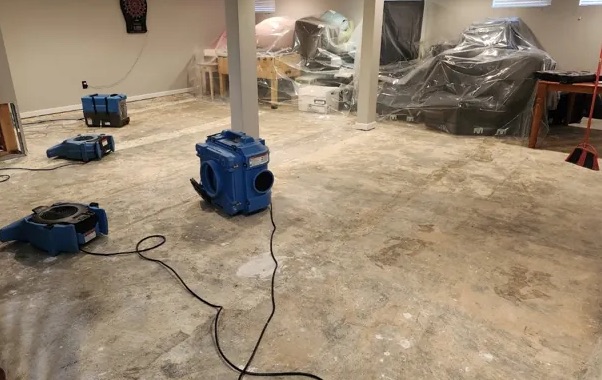
Temperature-Controlled Drying by Local Moisture Control Experts in Lake Park
In Lake Park, water trapped in subfloors, wall cavities or behind cabinets dries slowly because the air there does not move.
In Lake Park and nearby Riviera Beach, North Palm Beach and Singer Island, fast structural drying stops mold before it starts. Local pros map moisture, then use LGR dehumidifiers and planned air mover placement until readings are normal.
Advanced Temperature-Controlled Drying Techniques in Lake Park
Rapid Structural Drying Services
Rapid drying mitigates risk of long-term weaknesses or rot in wooden structures. The specialists use specialized techniques like injecting dry air into wall cavities.
Thermal Drying for Water Damage
Controlled heat combats water damage in hard-to-dry areas like enclosed cavities. Expert calibration of drying equipment avoids harm to sensitive contents.
Water Damage Drying Logs
The specialists create detailed, timestamped drying logs. These records track initial readings, daily progress, and final verification, providing proof that industry-standard drying was followed.
Humidity Control for Restoration
Dehumidifiers lower the dew point in the affected area, so materials give up their moisture more easily.
Drying Equipment Deployment
The specialists set up LGR dehumidifiers, axial fans and cavity drying systems to work together on the wet structure.
Warning Signs Requiring Temperature-Controlled Drying in Lake Park
Discoloration on Drywall or Ceilings
Yellow or brown water stains appear on surfaces that seem dry. These stains suggest moisture is still present inside the wall cavity.
Soft Drywall or Sagging Ceiling
Drywall feels spongy to the touch or a ceiling sags downward. This softness means the material is saturated and structurally compromised.
Damp Odors Persisting After Water
A musty smell lingers even after visible water is gone, indicating hidden moisture. That odor often signals mold or trapped dampness.
Paint Peeling or Bubbling Up
Paint loses adhesion and forms bubbles or peels away from the wall. This failure is caused by moisture trapped beneath the paint film.
How Temperature-Controlled Drying Works in Lake Park
Step 1: Establishing the Drying Environment
The first step involves preparing the area by removing debris and setting up containment if needed.
Step 2: Implementing the Drying Array
Air movers and dehumidifiers are paired in a planned layout to dry walls and floors.
Step 3: Executing Temperature-Controlled Drying
The system executes temperature-controlled drying, maintaining ideal conditions to draw moisture out of materials.
Step 4: Final Verification and Documentation
Final verification compares moisture readings in affected materials to known dry standards in the home.
What Leads to Needing Temperature-Controlled Drying in Lake Park
Sprinkler System Activation
A fire sprinkler discharges, releasing a large volume of water quickly. This event saturates entire areas and requires precise air mover placement and strategy.
Inadequate Initial Water Extraction
Water left behind after a leak or flood moves into subfloors and walls, where it is harder to dry.
Roof Leak During Heavy Rain
Wind-driven rain through a damaged roof or flashing can run down inside wall cavities, where it needs targeted drying.
HVAC System Condensation Issues
A clogged condensate drain line causes an overflow inside the air handler. This water can soak insulation and ductwork, creating a hidden moisture issue.
Temperature-Controlled Drying for Homes and Businesses in Lake Park
Residential Temperature-Controlled Drying
At home, the pros dry wall cavities, subfloors and belongings with air movers and dehumidifiers, and keep drying logs for your insurance review.
Commercial Temperature-Controlled Drying
For businesses, rapid drying minimizes downtime and protects inventory, equipment, and building integrity. Large-scale drying systems are implemented to address moisture in offices, retail spaces, and warehouses.
Professional Temperature-Controlled Drying vs. Do-It-Yourself in Lake Park
Moisture from a leak may seem surface-dry, but it often remains deep within materials. You can use a moisture meter from a hardware store to check for obvious dampness in drywall or wood. Interpreting these readings and executing the rapid drying needed to prevent mold requires the expertise and commercial-grade equipment of the specialists in Lake Park.
Cost Considerations for Temperature-Controlled Drying in Lake Park
In Lake Park, cost depends on how far the moisture spread and how many rooms need drying equipment and monitoring.
Humidity Control Measures
Controlling humidity in tight spaces often takes specialized drying equipment and frequent adjustments.
Extent of Water Damage
The larger the area that needs drying, the more equipment and labor the job takes.
Access and Logistics
Challenging site access in Lake Park can complicate equipment deployment and placement, potentially increasing setup time and labor requirements.
Does Insurance Cover Temperature-Controlled Drying?
The specialists in Lake Park provide thorough documentation including moisture mapping data to support a homeowner's claim. Coverage decisions belong to the insurer, so property owners should confirm with their provider.
Why Choose Local Specialists for Temperature-Controlled Drying in Lake Park
Climate-Controlled Drying Systems
Heat and humidity are kept at set levels so materials dry faster without cracking or warping.
Structural Drying
The focus is on quickly extracting moisture from structural components to minimize warping, swelling, or the potential for mold growth.
Advanced Moisture Mapping
Moisture meters and thermal cameras find hidden wet pockets so every affected material is dried.
24/7 Temperature-Controlled Drying for Emergencies in Lake Park
Wet walls and floors keep getting worse until they are dried. Call local pros at (772) 758-7923 to set up drying equipment.
Call Now (772) 758-7923Temperature-Controlled Drying Serving Lake Park and Nearby Areas
Temperature-controlled drying is available for homes in Lake Park and nearby places like Riviera Beach, North Palm Beach and Singer Island.
- Temperature-Controlled Drying in Riviera Beach
- Temperature-Controlled Drying in North Palm Beach
- Temperature-Controlled Drying in Singer Island
- Temperature-Controlled Drying in Palm Beach Shores
- Temperature-Controlled Drying in Mangonia Park
- Temperature-Controlled Drying in Juno Ridge
- Temperature-Controlled Drying in Palm Beach Gardens
- Temperature-Controlled Drying in Century Village
- Emergency Damage Restoration in 33403
- Storm Damage Restoration in 33403
- Water Damage Restoration in 33403
- Water Extraction Service in 33403
- Water Leak Detection in 33403
- Water Removal Service in 33403
Frequently Asked Questions About Temperature-Controlled Drying
What does drying equipment deployment involve?
Pros assess the loss, calculate how much equipment is needed and place air movers, dehumidifiers and sometimes heaters.
What are water damage drying logs used for?
Drying logs are detailed records of moisture readings, equipment settings, and progress; they provide documentation for the restoration process and are often required for insurance claims.
How long does the temperature-controlled drying process take?
It depends on the damage, the materials and the conditions. Pros monitor readings and stop when moisture goals are met.
What is temperature-controlled drying?
It is a drying method that controls heat and humidity together to remove moisture from building materials and contents safely and quickly.
Can temperature-controlled drying prevent mold growth?
By rapidly removing moisture and controlling humidity, the process creates an environment where mold cannot thrive, significantly reducing the potential for mold.