Port St. Lucie, FL · St. Lucie County
Structural Mold Removal in Port St. Lucie, FLStructural Wood Mold Treatment & Subfloor Mold Remediation
Structural Mold Removal in Port St. Lucie involves services like HVAC duct mold cleaning, mold damaged flooring removal, and post-remediation structural drying.
Answered 24/7
Structural Mold Removal Experts Serving Port St. Lucie
In Port St. Lucie, treating mold damage early protects beams, joists and sheathing from sagging or failure. Structural drying after removal stabilizes the remaining materials.
In Port St. Lucie, the work includes removing moldy flooring and drying the structure. Nearby places like River Park, North River Shores and Indian River Estates share similar restoration needs. Local water damage restoration experts use IICRC-standard methods for mold remediation and cleanup.
Structural Mold Removal Work Provided in Port St. Lucie
Structural Wood Mold Treatment
Mold on structural wood can weaken it over time. Treatment cleans the wood deeply and applies antimicrobial products once the moisture source is fixed.
Subfloor Mold Remediation
Mold remediation for subfloors requires accessing a confined, often damp space. The process includes moisture mapping, controlled demolition, antimicrobial treatment, and structural drying to create a stable base for new flooring.
Mold Contaminated Insulation Removal
Wet, moldy insulation loses thermal resistance and must be removed. The process involves extraction using vacuum systems and sealed disposal bags. The cavity is then cleared for new insulation.
Emergency Mold Containment Setup
For 24/7 mold emergencies in Port St. Lucie, containment goes up first. The experts isolate the damage before any restoration starts.
Post-Remediation Structural Drying
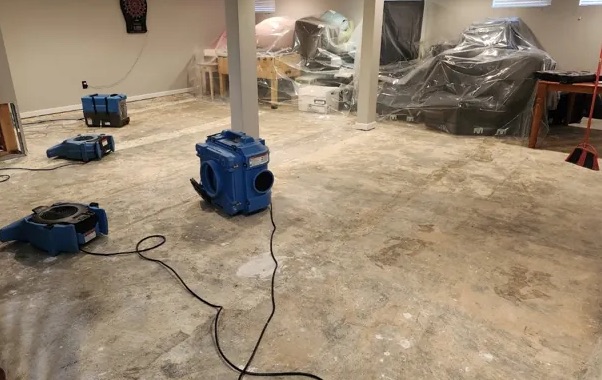
Structural drying removes the latent moisture that initially caused the mold problem. The process employs high-volume airflow and desiccant dehumidification to dry wall cavities, subfloors, and framing from the inside out.
Signs of Mold Structural Damage
Musty Odors in Specific Rooms
A persistent earthy smell often signals hidden mold growth within walls, floors, or HVAC systems.
HVAC System With Dusty Smell
Mold in air ducts often circulates a dusty, musty odor whenever the heating or cooling runs.
Discolored or Deteriorating Wood
Structural beams or studs that appear darkened, stained, or soft may have advanced wood mold.
Cracking or Splitting Wood Joints
As mold weakens structural wood, joints and supports may start to show physical stress cracks.
How Structural Mold Removal Works in Port St. Lucie
Step 1: Source Stopping and Containment
The first action is to stop the water source if active and set up emergency mold containment to limit cross-contamination immediately.
Step 2: Systematic Demolition of Damaged Parts
Compromised structural elements are methodically removed. This often means removing drywall and opening subfloors.
Step 3: Deep Drying of Building Cavities
Industrial dehumidifiers and air movers dry wall cavities, joist bays, and subfloors thoroughly, a key phase in structural drying.
Step 4: Reconstruction Preparation and Documentation
Pros prepare the clean, dry area for rebuilding and provide documentation like photos and readings for your insurance claim review.
Typical Sources of Mold Structural Damage
Chronic Plumbing Leaks
Slow drips inside walls or under floors provide constant moisture, leading to extensive structural mold damage over time.
Improper Drying After Water Damage
Incomplete drying after any water incident leaves hidden moisture that turns into mold within days.
Flooding From Storms
Stormwater entering a home saturates porous building materials, requiring drying to prevent structural mold damage.
Condensation in HVAC Ducts
Temperature differences in ductwork can create condensation, leading to mold growth inside the air distribution system.
Home and Business Structural Mold Removal Serving Port St. Lucie
Residential Structural Mold Removal
In homes, mold structural damage restoration addresses hidden mold in wall cavities, under flooring, and within attics. The pros remove drywall, treat the subfloor and dry the structure so the home is safe again.
Commercial Structural Mold Removal
For businesses, mold can disrupt operations and affect air quality in offices, retail spaces, or warehouses. The pros remove insulation and clean ducts with containment to limit business downtime.
DIY Mold Removal vs. Professional Structural Mold Removal in Port St. Lucie
After a minor leak, you can wipe up standing water and move wet items to aid drying. If materials like drywall or flooring remain damp over 48 hours, contact the experts in Port St. Lucie for mold damage restoration before mold establishes.
Pricing for Structural Mold Removal in Port St. Lucie
The cost of mold structural damage restoration in Port St. Lucie is shaped by the square footage affected and the severity of mold colonization. Materials like framing lumber and drywall also factor into the final estimate.
Testing and Verification
Post-remediation mold testing to confirm clearance adds a final step and associated lab analysis fees.
Access Challenges
Hard-to-reach areas like ducts or closed subfloors take more time and tools to clean.
Emergency Response
After-hours or weekend work to set up mold containment may cost more than scheduled work.
Does Insurance Cover Structural Mold Removal?
Mold damage restoration coverage is a complex insurance matter. Many policies limit or exclude mold unless it originates from a sudden, accidental discharge. The specialists document the structural repairs needed. Ask your insurer about coverage for mold cleanup and drying before work starts.
Reasons to Select Local Experts for Structural Mold Removal
IICRC-Standard Remediation
Methods follow industry guidelines for safe mold abatement and structural repair, focusing on containment and proper removal.
Structural Damage Focus
The work prioritizes assessing and addressing compromised load-bearing elements and building materials, not just surface mold cleanup.
Targeted Material Treatment
Each material gets its own procedure, such as structural wood versus ducts.
Emergency Structural Mold Removal Available in Port St. Lucie
Heavy mold on beams or subflooring needs prompt attention before the structure weakens. Call (772) 758-7923 for emergency structural damage restoration service, which is available around the clock for properties in Port St. Lucie.
Call Now (772) 758-7923Structural Mold Removal Service Area Around Port St. Lucie
When mold damages the structure of a home in Port St. Lucie, this restoration is needed. It encompasses emergency mold containment setup and full repair processes, serving Port St. Lucie, River Park, North River Shores and Indian River Estates.
Frequently Asked Questions About Structural Mold Removal
What are signs of structural damage from water damage mold?
Signs include soft or warped wood, sagging floors or ceilings, crumbling drywall, and musty odors, indicating moisture has compromised the material's integrity.
How is mold contaminated insulation removal performed?
Affected insulation is carefully bagged and removed, the cavity is cleaned and treated, and new insulation is installed only after the area passes mold inspection and is fully dry.
What does subfloor mold remediation entail?
It involves accessing the subfloor, assessing damage, removing moldy sections, treating adjacent joists, and installing new subfloor material after structural drying is confirmed.
Does mold testing happen before and after restoration?
Pre-testing can identify spore types and levels. Testing after remediation is standard to confirm cleanup and drying worked.
What happens during post-remediation structural drying?
After mold removal and repairs, industrial dehumidifiers and air movers dry out new materials and adjacent structures to prevent residual moisture from causing new mold growth.