South Beach, FL · Indian River County
Roof Leak Water Removal in South Beach, FLWall Cavity Drying & Leak Source Identification
Roof Leak Water Removal in South Beach includes emergency roof tarping, ceiling water damage cleanup, wall cavity drying and wet contents protection.
Answered 24/7
Help With Roof Leak Water Damage in South Beach
In South Beach, most roof leak calls start with a brown stain on the ceiling or water dripping from a light fixture during a storm.
Roof leak water removal is available in South Beach and nearby Florida Ridge, Lakewood Park and Vero Beach South. The pros tarp the opening if needed, extract the water and dry the attic framing and ceiling drywall.
Roof Leak Cleanup Services in South Beach, FL
Wall Cavity Drying
Bubbling paint or a damp baseboard below a ceiling stain means water is in the wall. Drying the cavity keeps the framing and drywall from rotting.
Leak Source Identification
Photos of the entry point, the wet decking and the path of the water give the roofer and your insurer a clear record of the leak.
Wet Insulation Removal
Wet insulation loses its value and flattens. Removing it exposes the ceiling drywall and joists so air movers and dehumidifiers can reach them.
Emergency Roof Tarping
When shingles are torn or a branch has punched a hole, the pros cover the opening with a weighted or battened tarp before they start drying the attic.
Attic Water Extraction
Water that pools on attic floors, vapor barriers or ceiling drywall is pulled out with wet vacuums and portable extractors before it soaks through to the room below.
When a Roof Leak Needs Water Removal
Damp Baseboards on Exterior Walls
Wet or swelling baseboards under a ceiling stain mean water has traveled down the wall cavity from the attic.
Dark Spots on Attic Wood
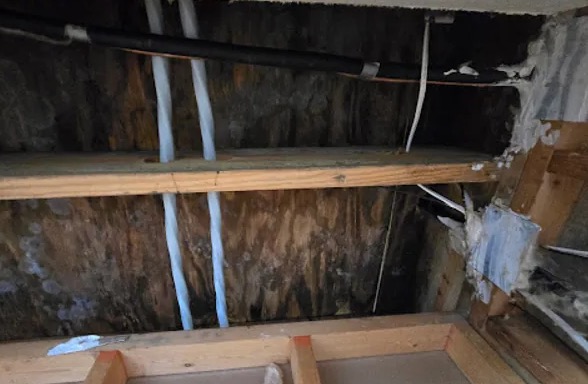
Dark streaks or spots on rafters and roof decking show where water has been running or sitting for a while.
Puddles Under the Ceiling
Water on the floor under a stain or a drip means the ceiling above is already holding more than it can absorb.
Wet or Flattened Insulation
Insulation that is matted, stained or damp to the touch in the attic means rain is getting past the roof deck.
How Roof Leak Water Removal Works in South Beach
Step 1: Safety Check
Power to wet ceiling fixtures is shut off and sagging areas are marked so no one walks under them during the work.
Step 2: Roof Tarp and Extraction
The roof is tarped if rain is still possible, then water is removed from the attic, ceiling cavities and floors.
Step 3: Drying Setup
Dehumidifiers and air movers are placed in the attic and the rooms below so both levels dry at the same time.
Step 4: Final Readings
When the wood and drywall read dry, equipment is removed and the roofer and drywall repairs can be scheduled.
Common Causes of Roof Leaks in South Beach
Aging Roofing Materials
As shingles age they curl, lose granules and crack, and slow leaks start where the roof covering has worn thin.
Clogged Gutters
Leaves and debris in gutters make water back up at the roof edge, where it seeps under shingles and into the soffit and walls.
Storm Debris and Hail
Falling branches and hail can crack shingles or puncture the deck, opening a direct path for rain into the attic.
Open Roof Valleys
Valleys carry the most water on a roof. Worn or poorly sealed valleys let that concentrated flow into the decking.
Roof Leak Water Removal for Homes and Businesses in South Beach
Residential Roof Leak Water Removal
In South Beach, a census-designated place in Indian River County, a roof leak in a home usually means a wet attic, a stained bedroom or hallway ceiling and soaked insulation. The pros dry each layer and photograph the damage for your claim.
Commercial Roof Leak Water Removal
On commercial buildings with flat roofs, water can spread across a drop ceiling before it shows. The pros remove wet ceiling tiles, extract the water and dry the space around business hours.
DIY Steps and Their Limits After a Roof Leak in South Beach
Fans and a household dehumidifier help a damp room, but they rarely dry an attic or a soaked ceiling. Wet insulation needs to come out first.
Pricing Roof Leak Water Removal in South Beach
Roof leak cleanup is usually priced on the area affected, the equipment used and the days it runs. After-hours calls during a storm can add to the price.
Emergency Tarping
If the roof needs a tarp before drying can start, the materials and labor for that step add to the bill.
Attic Access
Low, tight attics with little floor to stand on take longer to work in than open attics with a walkway.
Insulation Removal
Bagging and hauling soaked insulation takes labor, and the attic needs new insulation once the framing is dry.
Does Insurance Cover Roof Leak Water Removal?
Some policies limit payment if a leak was left unrepaired for a long time. Report it promptly and keep receipts for the tarp and any emergency work.
Why Roof Leaks Need Professional Drying in South Beach
Contents Moved Out of Harm
Belongings under the leak are moved, covered or dried so they do not keep soaking while the attic is worked on.
Records for Your Claim
Photos, readings and a materials list give your adjuster a clear picture of what the roof leak damaged.
24/7 Help During Storms
Roof leaks happen when it rains, often at night. Help is available around the clock, so tarping and extraction can start once it is safe.
Emergency Roof Leak Help in South Beach, FL
Roof leaks get worse with every hour of rain. Call (772) 758-7923 any time for tarping, attic extraction and drying in South Beach.
Call Now (772) 758-7923Local Roof Leak Water Removal Coverage for South Beach
Other places served are listed below, each with its own page.
- Roof Leak Water Removal in Florida Ridge
- Roof Leak Water Removal in Lakewood Park
- Roof Leak Water Removal in Vero Beach South
- Roof Leak Water Removal in Vero Beach
- Roof Leak Water Removal in Gifford
- Roof Leak Water Removal in Jupiter Island
- Roof Leak Water Removal in Hobe Sound
- Roof Leak Water Removal in Jupiter Farms
Questions About Roof Leak Water Removal
How soon should water removal start after a roof leak?
As soon as possible. Wet drywall and insulation can start to grow mold in 24 to 48 hours, and a ceiling holding water can sag and fall.
Does a stained ceiling always need to be replaced?
No. If moisture readings show the drywall is firm and dries out, it can often stay and be primed and painted. Soft or sagging sections are replaced.
How do the pros find where a roof is leaking?
They trace the water from the stain up into the attic, follow it along the rafters and decking, and use moisture meters to find the entry point.
Are old ceiling stains a sign of an active leak?
Not always. A dry stain may be from a past leak. A stain that is damp, growing or bulging means water is still getting in.
Why should rainwater be removed from the attic quickly?
Water in the attic soaks through the ceiling into the rooms below and keeps the framing wet. Removing it early limits drywall and insulation losses.