San Castle, FL · Palm Beach County
Roof Leak Water Removal in San Castle, FLCeiling Water Damage Cleanup & Wet Contents Protection
Roof Leak Water Removal in San Castle includes emergency roof tarping, ceiling water damage cleanup, wall cavity drying and wet contents protection.
Answered 24/7
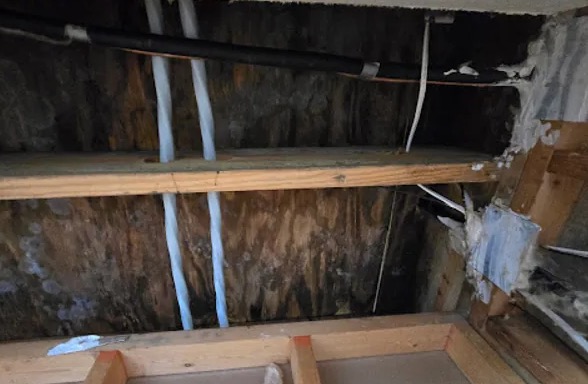
Help With Roof Leak Water Damage in San Castle
Roof Leak Water Removal deals with the water that a roof leak puts inside the house: in the attic, on top of the ceiling, inside walls and on floors.
Roof leak water removal is available in San Castle and nearby Hypoluxo, Manalapan and Lantana. The pros tarp the opening if needed, extract the water and dry the attic framing and ceiling drywall.
Roof Leak Water Removal Services in San Castle
Ceiling Water Damage Cleanup
Ceiling cleanup covers the drywall, texture and any wet insulation resting on it. Readings decide whether a panel can be dried in place or must be replaced.
Wet Contents Protection
Wet contents are sorted into items that can be dried and items that cannot. A photo list of each is kept for the insurance claim.
Leak Source Identification
The pros follow the water trail from the stain up through the attic to the decking, flashing or vent where rain is getting in, and note it for the roofer.
Wet Insulation Removal
Insulation that only got damp at the edges may dry in place. Material that is matted, stained or smells musty is taken out and replaced after drying.
Emergency Roof Tarping
When shingles are torn or a branch has punched a hole, the pros cover the opening with a weighted or battened tarp before they start drying the attic.
When a Roof Leak Needs Water Removal
Dripping From a Light Fixture
Water dripping from a light or ceiling fan means it has pooled above the ceiling. Turn off that circuit and keep people clear.
Water Stains on the Ceiling
Brown or yellow rings on the ceiling, often growing after each rain, mean water is reaching the drywall from above.
Wet or Flattened Insulation
Insulation that is matted, stained or damp to the touch in the attic means rain is getting past the roof deck.
Daylight Through the Roof Deck
Light showing through the decking from inside the attic marks a gap where rain can come straight in.
How Roof Leak Water Removal Works in San Castle
Step 1: Assess the Leak
The pros look at the roof, attic and ceilings to see how long the leak has been running and what it has soaked.
Step 2: Remove Water and Debris
Water, wet insulation and fallen drywall are cleared out so the attic and room below can dry evenly.
Step 3: Clean Wet Surfaces
Wood and drywall that stayed wet for a day or more are cleaned and treated before drying to limit odor and mold.
Step 4: Monitor Until Dry
Readings are taken on each visit and the equipment is moved as areas dry, until every wet spot reaches its target.
What Causes Roof Leaks in San Castle Homes
Cracked Vent Boots
The rubber collars around plumbing vents dry out and split with age, letting rain drip down the pipe into the attic.
Worn Flashing
Flashing around chimneys, skylights and wall joints can crack, rust or pull loose, and water runs in along the gap.
Skylight Seals
Skylight gaskets and curb flashing wear out, and water runs into the shaft and down the drywall around the opening.
Open Roof Valleys
Valleys carry the most water on a roof. Worn or poorly sealed valleys let that concentrated flow into the decking.
Home and Business Roof Leak Cleanup in San Castle
Residential Roof Leak Water Removal
In older San Castle homes, leaks often follow old chimney chases or plaster ceilings. The pros check these areas closely because plaster holds water longer than drywall.
Commercial Roof Leak Water Removal
Warehouses and shops with large roof areas can have several leaks at once. The pros map each wet area, extract water and dry the structure section by section.
What You Can Do Before Help Starts on a Roof Leak
Stay out of an attic that has standing water or soft spots. Ceiling drywall between the joists will not hold your weight and can give way.
What Roof Leak Water Removal Costs in San Castle
The roof repair itself is a separate cost from water removal. The pros price the extraction, drying and removal of wet materials inside the house.
Belongings in the Way
Moving and drying furniture, stored boxes and electronics under the leak adds time to the job.
Attic Access
Low, tight attics with little floor to stand on take longer to work in than open attics with a walkway.
Drying Time
Each extra day of air movers, dehumidifiers and moisture checks adds to the cost, so wet wood that dries slowly costs more.
Does Insurance Cover Roof Leak Water Removal?
Insurance may pay for water removal and drying after a covered roof leak, while the roof repair is handled under different terms. Check your policy and deductible.
Why Call Local Water Extraction Experts for Roof Leak Water Removal in San Castle
Notes for the Roofer
The entry point and the path the water took are documented so the roofer knows exactly where to look.
Wet Insulation Handled
Soaked insulation is bagged and removed so the ceiling and framing can dry instead of staying damp under it.
One Job, Start to Finish
Tarping, extraction, insulation removal and drying happen in order, so each step is not left waiting on another company.
Emergency Attic Water Removal in San Castle
Roof leaks get worse with every hour of rain. Call (772) 758-7923 any time for tarping, attic extraction and drying in San Castle.
Call Now (772) 758-7923Local Roof Leak Water Removal Coverage for San Castle
A stained ceiling in San Castle often means water is sitting in the attic. Local water extraction experts help homes here and in nearby Hypoluxo, Manalapan and Lantana.
- Roof Leak Water Removal in Hypoluxo
- Roof Leak Water Removal in Manalapan
- Roof Leak Water Removal in Lantana
- Roof Leak Water Removal in South Palm Beach
- Roof Leak Water Removal in Boynton Beach
- Roof Leak Water Removal in Atlantis
- Roof Leak Water Removal in Seminole Manor
- Roof Leak Water Removal in Lake Worth Beach
- Emergency Damage Restoration in 33462
- Storm Damage Restoration in 33462
- Water Damage Restoration in 33462
- Water Extraction Service in 33462
- Water Leak Detection in 33462
- Water Removal Service in 33462
Roof Leak Water Removal Questions Answered
Why does wet insulation have to come out?
Wet insulation stays damp for a long time, holds water against the ceiling and framing, and stops insulating. Removing it lets the attic dry.
How soon should water removal start after a roof leak?
As soon as possible. Wet drywall and insulation can start to grow mold in 24 to 48 hours, and a ceiling holding water can sag and fall.
Are old ceiling stains a sign of an active leak?
Not always. A dry stain may be from a past leak. A stain that is damp, growing or bulging means water is still getting in.
Can a roof leak cause mold in the attic?
Yes, if the wood and insulation stay wet. Prompt extraction and drying, plus removing soaked insulation, keep the attic from staying damp long enough for mold.
Can my belongings be saved after a roof leak?
Many can. Furniture and boxes are moved out of the drip zone and dried. Items that soaked for a long time or are badly stained may not be worth saving.