Lake Park, FL · Palm Beach County
Industrial Dehumidification in Lake Park, FLWarehouse Moisture Control & Industrial Humidity Reduction Systems
Get Industrial Dehumidification in Lake Park for industrial flood damage restoration, warehouse moisture control, and mold remediation services.
Answered 24/7
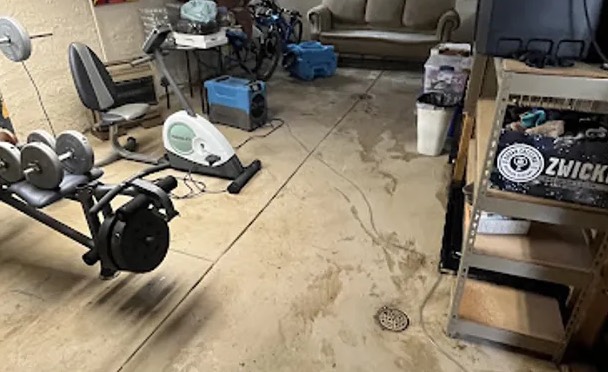
Industrial Dehumidification Solutions in Lake Park, Florida
Commercial water cleanup often involves large volumes of water. High-capacity extraction is the first step to limit mold and damage to the structure.
Industrial dehumidification is a priority for large facilities in Lake Park and nearby areas like Riviera Beach, North Palm Beach and Singer Island. Whether dealing with a burst pipe or ongoing humidity issues, local water damage pros apply commercial dehumidification techniques.
Industrial Flood Damage Restoration in Lake Park
Warehouse Moisture Control
Warehouse humidity often climbs with the seasons and after leaks. Industrial dehumidifiers bring it back down, and placing them well protects stock and packaging.
Industrial Humidity Reduction Systems
The experts implement industrial dehumidification systems that operate reliably to meet strict environmental specs. Steady humidity protects sensitive equipment and stored records.
Mold Remediation Services
Extensive mold requires professional remediation to ensure occupant safety. Industrial dehumidification is a core part of stopping the mold lifecycle.
Disaster Recovery Drying
After a disaster in Lake Park, heavy-duty drying equipment brings humidity down so repairs can start safely.
Industrial Flood Damage Restoration
Restoring a flooded plant requires drying the entire environment. Pros reach moisture in high ceilings, equipment pits and storage areas.
Signs of Moisture Requiring Industrial Dehumidification in Lake Park
Noticeable Water Pooling
Standing water in a warehouse or industrial space needs to be removed before drying can start.
Soggy Inventory or Stock
Wet cardboard, damaged goods or damp raw materials mean humidity in the building is not under control.
Warped or Buckling Materials
Swollen wood, peeling paint or distorted flooring are signs of too much moisture in the building.
Visible Mold
Black, green or white spots on walls or contents mean humidity has been high for too long.
How Industrial Dehumidification Works in Lake Park
Step 1: Secure Area and Remove Water
The site is made safe, then water is removed with industrial equipment.
Step 2: Install Commercial Dehumidification
Large commercial dehumidifiers bring the humidity down so the drying can start.
Step 3: Accelerated Evaporation and Drying
Air movers speed up evaporation, and the dehumidifiers collect the water from the air.
Step 4: Achieve Dry Standard and Demobilize
After confirming all materials meet the dry standard, pros dismantle the drying system.
Causes of Industrial Humidity Problems in Lake Park
Appliance Malfunctions and Overflows
Water heater failures or broken process lines can flood large areas suddenly.
HVAC System Condensation Issues
Cooling systems that are poorly maintained or oversized can produce a lot of condensation and raise humidity.
Roof Leaks and Storm Damage
Damaged roofing lets water in during heavy rain, wetting stock and floors below.
Poor Ventilation and Airflow
Poor ventilation traps moisture from work processes and people inside the building.
Industrial Dehumidification for Residential and Commercial Clients in Lake Park
Residential Industrial Dehumidification
Storm-driven water needs fast action to save belongings and building materials. Emergency water removal pros extract the water 24/7 and document the damage for your claim.
Commercial Industrial Dehumidification
A flooded warehouse or production floor halts business. Fast water removal and commercial dehumidification shorten the time the space is out of use.
DIY Moisture Control vs. Professional Industrial Dehumidification in Lake Park
Wiping condensation off pipes, windows and cold surfaces gives short-term relief. Bringing down humidity in a whole commercial building takes moisture readings and large dehumidifiers.
Industrial Dehumidification Pricing in Lake Park
In Lake Park, the type of water, whether clean, gray or black, changes the cleanup steps and the cost.
Access Complexity
Hard-to-reach areas in a warehouse or plant take longer to set up equipment in.
Mold Remediation Needs
If mold is found, containment, removal and air scrubbing are added to the job.
Water Contamination Level
Clean, gray and black water need different safety steps and cleanup methods.
Does Insurance Cover Industrial Dehumidification?
The pros provide detailed documentation of the damage, including moisture maps and photographic evidence, to support the property owner's claim submission for review.
Why Choose Local Pros for Industrial Dehumidification in Lake Park
Detailed Moisture Documentation
Meters and sensors track humidity and moisture, so you can see drying progress day by day.
Industrial-Grade Equipment
High-capacity dehumidifiers and air movers are sized for warehouses and other large spaces.
Containment Protocols
Where mold is found, barriers keep it from spreading to other parts of the building.
Emergency Flood Response in Lake Park
Standing water left in a building can lead to mold within a day or two. Call (772) 758-7923 to reach the pros for commercial water cleanup and humidity control, any hour.
Call Now (772) 758-7923Industrial Dehumidification Near Lake Park: Areas Served
The pros provide commercial dehumidification and water cleanup for facilities in Lake Park and nearby Riviera Beach, North Palm Beach and Singer Island.
- Industrial Dehumidification in Riviera Beach
- Industrial Dehumidification in North Palm Beach
- Industrial Dehumidification in Singer Island
- Industrial Dehumidification in Palm Beach Shores
- Industrial Dehumidification in Mangonia Park
- Industrial Dehumidification in Juno Ridge
- Industrial Dehumidification in Palm Beach Gardens
- Industrial Dehumidification in Century Village
- Emergency Damage Restoration in 33403
- Storm Damage Restoration in 33403
- Water Damage Restoration in 33403
- Water Extraction Service in 33403
- Water Leak Detection in 33403
- Water Removal Service in 33403
Industrial Drying FAQ for Lake Park Clients
What is included in commercial water damage cleanup?
It covers water extraction, handling of affected contents, antimicrobial treatment when needed, structural drying and ongoing humidity control.
Does all water require the same cleanup approach?
No. Clean water from a supply line, gray water from appliances and black water from sewage each need different safety and cleanup steps.
When is mold remediation necessary after flooding?
Mold remediation services become crucial if visible mold appears or if materials remain wet beyond 24-48 hours, allowing spores to activate.
What areas need drying after a warehouse flood?
All wet areas: floors, walls, stored contents and often the subfloor and insulation as well.
What is structural drying?
It removes moisture soaked into building materials like concrete slabs and walls so they do not decay or grow mold.