Hobe Sound, FL · Martin County
Industrial Dehumidification in Hobe Sound, FLDisaster Recovery Drying & Industrial Humidity Reduction Systems
Get Industrial Dehumidification in Hobe Sound for industrial flood damage restoration, warehouse moisture control, and mold remediation services.
Answered 24/7
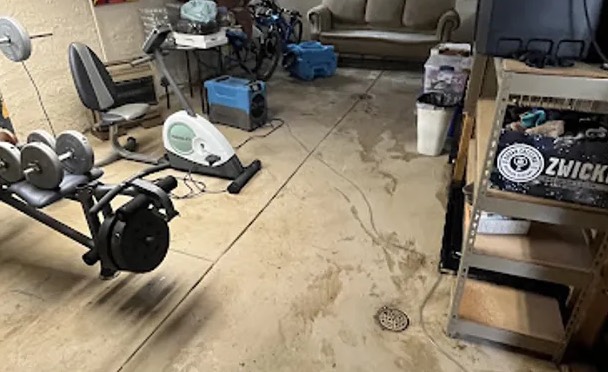
Expert Industrial Dehumidification in Hobe Sound, FL
In Hobe Sound, water trapped in the walls, floors and ceilings of commercial buildings causes mold, rot and decay if it is not dried properly.
Industrial dehumidification is a priority for large facilities in Hobe Sound and nearby areas like Jupiter Island, Port Salerno and Tequesta. Whether dealing with a burst pipe or ongoing humidity issues, local water damage pros apply commercial dehumidification techniques.
Industrial Dehumidification Solutions for Hobe Sound
Disaster Recovery Drying
After a disaster in Hobe Sound, heavy-duty drying equipment brings humidity down so repairs can start safely.
Industrial Humidity Reduction Systems
The experts implement industrial dehumidification systems that operate reliably to meet strict environmental specs. Steady humidity protects sensitive equipment and stored records.
Structural Drying Services
Water-compromised materials must be dried from the inside out. The pros use specialized equipment to extract moisture trapped within concrete, wood, and drywall.
Emergency Water Removal
After a flood, standing water has to come out first. Pumps and extractors remove it so drying can begin.
Mold Remediation Services
Persistent moisture often leads to mold growth. Industrial dehumidification pros first dry the structure thoroughly. Affected surfaces are then cleaned.
When to Call for Industrial Dehumidification in Hobe Sound
Noticeable Water Pooling
Standing water in a warehouse or industrial space needs to be removed before drying can start.
Soggy Inventory or Stock
Wet cardboard, damaged goods or damp raw materials mean humidity in the building is not under control.
Elevated Humidity Levels
Sticky air and condensation on windows or metal surfaces mean humidity in the building is too high.
Warped or Buckling Materials
Swollen wood, peeling paint or distorted flooring are signs of too much moisture in the building.
How Industrial Dehumidification Works in Hobe Sound
Step 1: Site Assessment and Inspection
An inspection finds the water sources, the wet materials and how much cleanup is needed.
Step 2: Containment and Water Removal
Containment is set up if needed, then industrial extractors remove the bulk water.
Step 3: Deploy Drying Equipment
Desiccant and refrigerant dehumidifiers and air movers are placed to dry the building.
Step 4: Continuous Monitoring and Adjustment
Equipment runs around the clock, and humidity is checked so the setup can be adjusted as areas dry.
Common Causes for Industrial Dehumidification in Hobe Sound
HVAC System Condensation Issues
Cooling systems that are poorly maintained or oversized can produce a lot of condensation and raise humidity.
Burst Pipes or Plumbing Leaks
Failed supply lines, faulty fittings, or cracked pipes can release thousands of gallons.
Natural Disasters and Severe Weather
Flash floods, torrential rain and other extreme events can soak large buildings and need large-scale drying.
Roof Leaks and Storm Damage
Damaged roofing lets water in during heavy rain, wetting stock and floors below.
Industrial Dehumidification for Residential and Commercial Clients in Hobe Sound
Residential Industrial Dehumidification
In homes, a slow roof leak can soak attic insulation and lead to mold. The pros in Hobe Sound dry the attic once the roof is repaired and clean up the wet areas.
Commercial Industrial Dehumidification
Data centers, labs and archives need steady humidity. After water damage, temporary dehumidification protects equipment and records until conditions are stable.
When to Hire Local Pros for Industrial Dehumidification in Hobe Sound
Throwing out ruined cardboard or soaked insulation is something a property manager can do. Building materials that may have mold should be removed by pros using containment.
Factors Affecting Industrial Dehumidification Cost in Hobe Sound
Industrial flood cleanup costs depend on the scale of water removal and how many hours of structural drying are needed.
Equipment Quantity
The number of dehumidifiers, air movers and meters needed grows with the size of the flood.
Mold Remediation Needs
If mold is found, containment, removal and air scrubbing are added to the job.
Affected Square Footage
The size of the area to be dehumidified sets how much equipment and labor are needed.
Does Insurance Cover Industrial Dehumidification?
Structural drying services after a leak are often covered if the cause is a sudden, accidental peril named in the policy, such as a burst pipe. Homeowners should always verify deductibles, limits, and specific requirements directly with their insurance company before work proceeds.
Benefits of Local Pros for Industrial Dehumidification in Hobe Sound, FL
Disaster Recovery Focus
Drying, cleaning and records are coordinated so the business can reopen sooner.
IICRC-Standard Drying Methods
The pros follow industry drying standards so moisture is fully removed from the structure.
Comprehensive Water Removal
The work starts with removing standing water and water soaked into materials.
Emergency Water Damage Services in Hobe Sound
Major humidity issues or active flooding demand early professional help to protect building materials and contents. Dial (772) 758-7923 for 24/7 help with large-scale drying and moisture control from the pros.
Call Now (772) 758-7923Industrial Dehumidification Available Throughout Hobe Sound, Jupiter Island, Port Salerno and Tequesta
Warehouse moisture control and flood cleanup are available in Hobe Sound and nearby Jupiter Island, Port Salerno and Tequesta.
- Industrial Dehumidification in Jupiter Island
- Industrial Dehumidification in Port Salerno
- Industrial Dehumidification in Tequesta
- Industrial Dehumidification in Sewall's Point
- Industrial Dehumidification in Limestone Creek
- Industrial Dehumidification in Stuart
- Industrial Dehumidification in Jupiter
- Industrial Dehumidification in West Jupiter
- Emergency Damage Restoration in 33455
- Storm Damage Restoration in 33455
- Water Damage Restoration in 33455
- Water Extraction Service in 33455
- Water Leak Detection in 33455
- Water Removal Service in 33455
- Emergency Damage Restoration in 33475
- Storm Damage Restoration in 33475
Industrial Dehumidification Common Questions Answered
What is the goal of disaster recovery drying?
It is drying a building after a large water loss so the business can return to normal use as soon as possible.
How is drying progress monitored?
The pros take moisture readings from materials and the air each day and keep drying logs that show progress.
What happens during the property restoration process?
Property restoration involves drying structural materials, cleaning affected surfaces and contents, and sometimes repairing or replacing damaged components after water intrusion.
What is included in commercial water damage cleanup?
It covers water extraction, handling of affected contents, antimicrobial treatment when needed, structural drying and ongoing humidity control.
What is structural drying?
It removes moisture soaked into building materials like concrete slabs and walls so they do not decay or grow mold.