Belle Glade, FL · Palm Beach County
Industrial Dehumidification in Belle Glade, FLEmergency Water Removal & Warehouse Moisture Control
Industrial Dehumidification in Belle Glade includes mold remediation services, structural drying services, and disaster recovery drying.
Answered 24/7
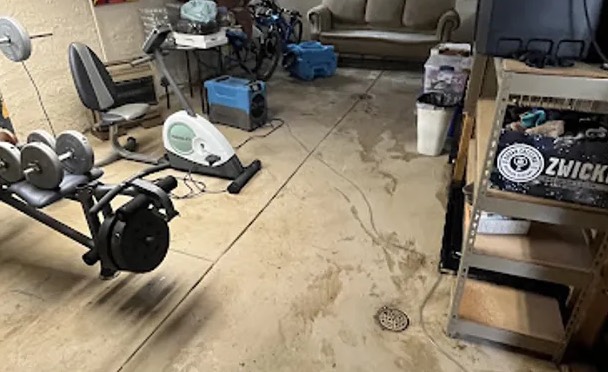
Local Industrial Dehumidification for Belle Glade Businesses
Data centers, storage rooms and archives need stable humidity. After water damage, condensation and corrosion can harm equipment and records.
Industrial dehumidification is a priority for large facilities in Belle Glade and nearby areas like South Bay, Pahokee and Canal Point. Whether dealing with a burst pipe or ongoing humidity issues, local water damage pros apply commercial dehumidification techniques.
Industrial Flood Damage Restoration in Belle Glade
Emergency Water Removal
Standing water poses immediate safety hazards and accelerates damage. Once the water is gone, industrial dehumidification addresses the saturated atmosphere and materials.
Warehouse Moisture Control
High warehouse humidity leads to condensation and product damage. The pros deploy industrial dehumidifiers to pull excess moisture from the air.
Structural Drying Services
When water soaks into a building's framework, surface drying is insufficient. Commercial drying experts set up a controlled environment with industrial dehumidifiers.
Mold Remediation Services
Persistent moisture often leads to mold growth. The pros first dry the structure thoroughly. Affected surfaces are then cleaned.
Industrial Humidity Reduction Systems
Some buildings stay humid long after a leak. Dehumidifiers can be left running to hold humidity at a set level until the building is stable.
Signs of Water Damage Requiring Industrial Dehumidification in Belle Glade
Recent Flood or Spill
A burst pipe or overflow that soaks a commercial space needs cleanup and drying right away.
Soggy Inventory or Stock
Wet cardboard, damaged goods or damp raw materials mean humidity in the building is not under control.
Stained Ceilings or Walls
Yellow or brown water stains show where past leaks happened and where moisture may still be.
Condensation on Pipes
Sweating pipes and ducts drip water and raise the humidity in the space even further.
How Industrial Dehumidification Works in Belle Glade
Step 1: Initial Water Damage Cleanup
Pumps and extractors remove the visible water to stop more damage and remove slip hazards.
Step 2: Establish Drying Environment
The area is closed off and dehumidifiers lower the humidity so moisture leaves the materials.
Step 3: Execute Structural Drying Plan
Air movers push air across wet surfaces so the water evaporates and the dehumidifiers collect it.
Step 4: Final Dryness Verification
The job ends when readings show the structure and contents are back to normal dryness.
Reasons for Industrial Flood Damage in Belle Glade
Natural Disasters and Severe Weather
Flash floods, torrential rain and other extreme events can soak large buildings and need large-scale drying.
Roof Leaks and Storm Damage
Damaged roofing lets water in during heavy rain, wetting stock and floors below.
Appliance Malfunctions and Overflows
Water heater failures or broken process lines can flood large areas suddenly.
Groundwater Intrusion and Saturation
Poor drainage around the building can let water seep up through the floor.
Industrial Dehumidification for Homes and Businesses in Belle Glade
Residential Industrial Dehumidification
In homes, a slow roof leak can soak attic insulation and lead to mold. The pros in Belle Glade dry the attic once the roof is repaired and clean up the wet areas.
Commercial Industrial Dehumidification
Data centers, labs and archives need steady humidity. After water damage, temporary dehumidification protects equipment and records until conditions are stable.
Industrial Dehumidification vs. Do-It-Yourself in Belle Glade
Wiping condensation off pipes, windows and cold surfaces gives short-term relief. Bringing down humidity in a whole commercial building takes moisture readings and large dehumidifiers.
Factors Affecting Industrial Dehumidification Cost in Belle Glade
Industrial flood cleanup costs depend on the scale of water removal and how many hours of structural drying are needed.
Equipment Quantity
The number of dehumidifiers, air movers and meters needed grows with the size of the flood.
Access Complexity
Hard-to-reach areas in a warehouse or plant take longer to set up equipment in.
Drying Time Required
How long the dehumidifiers must run to reach dry readings is a main cost component.
Does Insurance Cover Industrial Dehumidification?
Coverage for industrial flood damage restoration can vary significantly between different insurance policies and providers. Property owners in Belle Glade should confirm specifics directly with their insurer. Pros record everything from the first moisture readings to the final dry readings for the claim file.
The Value of Local Pros for Industrial Dehumidification in Belle Glade
Containment Protocols
Where mold is found, barriers keep it from spreading to other parts of the building.
24/7 Emergency Response
Fast water extraction limits how far damage spreads in a large building.
Disaster Recovery Focus
Drying, cleaning and records are coordinated so the business can reopen sooner.
Emergency Industrial Dehumidification in Belle Glade, FL
Removing water early prevents more damage to the structure and lowers the mold risk. Call (772) 758-7923 any time, day or night, for help in Belle Glade.
Call Now (772) 758-7923Local Industrial Dehumidification Areas: Belle Glade and Beyond
The places below are also served, and each one has its own page.
- Industrial Dehumidification in South Bay
- Industrial Dehumidification in Pahokee
- Industrial Dehumidification in Canal Point
- Industrial Dehumidification in Wellington
- Industrial Dehumidification in Loxahatchee Groves
- Industrial Dehumidification in Royal Palm Beach
- Industrial Dehumidification in The Acreage
- Industrial Dehumidification in Indiantown
- Emergency Damage Restoration in 33430
- Storm Damage Restoration in 33430
- Water Damage Restoration in 33430
- Water Extraction Service in 33430
- Water Leak Detection in 33430
- Water Removal Service in 33430
Industrial Drying FAQ for Belle Glade Clients
What areas need drying after a warehouse flood?
All wet areas: floors, walls, stored contents and often the subfloor and insulation as well.
What is the first step in emergency water removal?
The initial critical step is extracting all standing water using truck-mounted or portable pumps and extractors.
What happens during the property restoration process?
Property restoration involves drying structural materials, cleaning affected surfaces and contents, and sometimes repairing or replacing damaged components after water intrusion.
Does all water require the same cleanup approach?
No. Clean water from a supply line, gray water from appliances and black water from sewage each need different safety and cleanup steps.
How does commercial dehumidification differ from residential?
The focus extends beyond drying to include minimizing operational downtime and protecting sensitive inventory or machinery.