The Acreage, FL · Palm Beach County
Hydrostatic Pressure Water Removal in The Acreage, FLSlab Seepage Water Removal & Crawl Space Water Extraction
Hydrostatic Pressure Water Removal in The Acreage covers groundwater intrusion mitigation, wet subfloor removal and crawl space water extraction.
Answered 24/7
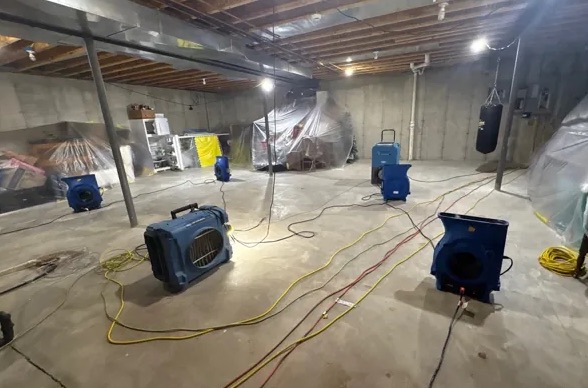
Addressing Hydrostatic Pressure Water Damage in The Acreage
Wet subfloor after a groundwater flood can ruin flooring and weaken joists. The moisture wicks up into walls, so the damage is often bigger than the flooded area.
Hydrostatic Pressure Water Removal Services in The Acreage
Slab Seepage Water Removal
Groundwater pushed up through a concrete slab can leave damp spots or a thin sheet of water. It is extracted and the slab and flooring are dried.
Crawl Space Water Extraction
Pumps and extractors made for tight spaces remove water from the crawl space before any drying, encapsulation or other work can start.
Foundation Crack Water Infiltration
Water coming through foundation cracks is pushed in by soil pressure. The water that got in is extracted and the area dried, and the crack is noted for a foundation contractor.
Structural Drying After Intrusion
Drying equipment is placed to pull moisture out of wall cavities, subfloors and framing, not just to dry what you can see.
Groundwater Intrusion Mitigation
The first step is extracting all visible water. The pros then note where water is getting in so you know what to ask a drainage contractor about.
Warning Signs You Need Hydrostatic Pressure Water Removal
High Indoor Humidity Levels
High humidity in lower levels that does not go away can mean water is seeping through the foundation.
Pooling Water in Crawl Space
Standing water in a crawl space is a clear sign water is getting in and needs to be removed.
Gurgling Sounds From Floor Drains
Gurgling floor drains during heavy rain can mean water pressure is building in the drain lines around the house.
Warped or Buckling Flooring
Flooring that warps or buckles near walls can mean water is coming up from below and the subfloor is wet.
How Hydrostatic Pressure Water Removal Works in The Acreage
Step 1: Source Containment and Control
Where possible, the water source is controlled first, such as redirecting downspouts or stopping a plumbing leak.
Step 2: Crawl Space Water Extraction
Equipment made for tight spaces extracts water from the crawl space so the framing can start drying.
Step 3: Affected Material Removal
Wet insulation and subflooring that cannot be dried are removed and hauled away.
Step 4: Dehumidification and Air Scrubbing
Dehumidifiers and air scrubbers bring humidity down and clear the musty air until the space is dry.
How Hydrostatic Pressure Creates Water Removal Emergencies
Poor Exterior Drainage Systems
Clogged gutters, downspouts and poor grading send water toward the foundation, where it builds pressure in the soil.
Plumbing Leaks Under the Slab
A broken water line under the slab keeps feeding water up through the floor.
Failed or Missing Waterproofing
Worn exterior coatings or membranes let groundwater reach the foundation wall directly.
Clogged or Collapsed Footing Drains
When perimeter drains clog or fail, water has nowhere to go and presses against the walls and slab.
Residential and Commercial Hydrostatic Pressure Water Removal in The Acreage
Residential Hydrostatic Pressure Water Removal
Hydrostatic pressure damage threatens a home's structure and indoor air. In homes throughout The Acreage, a census-designated place in Palm Beach County, local water removal pros remove wet subfloor, dry the structure and repair foundation crack leaks to prevent costly long-term damage.
Commercial Hydrostatic Pressure Water Removal
In businesses, groundwater in a lower level can damage stock and equipment. Local structural drying professionals remove the water and dry the space to keep downtime short.
Hydrostatic Pressure Water Removal vs. DIY: When to Call the Pros
Take photos and video of the damage from a safe spot for your insurance claim. Stay out of flooded areas with power still on, and let the pros handle the moisture mapping.
Understanding Hydrostatic Pressure Water Removal Expenses
In The Acreage, the price depends on the size of the wet area, how deep the water got and how many days of drying the structure needs.
Mitigation Measures
Drainage or waterproofing work to stop water from returning is a separate cost from the water removal.
Material Saturation Level
Deeply soaked subflooring or wet foundation walls need more extraction and dehumidification.
Structural Complexity
Tight crawl spaces and complex foundations make water removal and drying slower.
Does Insurance Cover Hydrostatic Pressure Water Removal?
Coverage for hydrostatic pressure water removal depends on your policy and what caused the water. The professionals in The Acreage take photos and moisture readings, and your insurer decides what is covered.
Why Choose Local Pros for Hydrostatic Pressure Water Removal in The Acreage
Detailed Documentation
Photos and moisture logs of the work are kept to support your insurance claim.
Controlled Demolition Protocols
Only subfloor and materials that cannot be dried are removed, which keeps the repair smaller.
Targeted Groundwater Extraction
Equipment made for tight spaces removes water from crawl spaces and around slabs.
Round-the-Clock Hydrostatic Pressure Water Removal in The Acreage, FL
Drying after groundwater gets in starts with a call to (772) 758-7923. The professionals are available 24/7 in The Acreage to remove the water and set up drying.
Call Now (772) 758-7923Areas Served for Hydrostatic Pressure Water Removal Near The Acreage
From slab seepage to water through foundation cracks, the professionals work in The Acreage and nearby Royal Palm Beach, Loxahatchee Groves and Palm Beach Gardens.
- Hydrostatic Pressure Water Removal in Royal Palm Beach
- Hydrostatic Pressure Water Removal in Loxahatchee Groves
- Hydrostatic Pressure Water Removal in Palm Beach Gardens
- Hydrostatic Pressure Water Removal in Golden Lakes
- Hydrostatic Pressure Water Removal in Jupiter Farms
- Hydrostatic Pressure Water Removal in Wellington
- Hydrostatic Pressure Water Removal in Century Village
- Hydrostatic Pressure Water Removal in Cypress Lakes
- Emergency Damage Restoration in 33412
- Storm Damage Restoration in 33412
- Water Damage Restoration in 33412
- Water Extraction Service in 33412
- Water Leak Detection in 33412
- Water Removal Service in 33412
Common Hydrostatic Pressure Water Removal Questions Answered
What causes foundation crack water infiltration?
Usually water pressure from soaked soil, or settlement cracks that give groundwater a path into the building.
Why is subfloor drying services important after flooding?
Drying the subfloor keeps it from rotting and growing mold, which protects the floor system above it.
What does groundwater intrusion mitigation involve?
Removing the water, drying the structure and then, often, drainage or waterproofing work outside by a contractor.
What equipment is used for groundwater extraction?
Groundwater extraction uses submersible pumps for deep water, wet-dry vacuums for shallow flooding, and specialized extractors for under-slab water removal.
When is wet subfloor removal necessary?
When wood subflooring is so soaked that it cannot be dried, it is removed to prevent rot and a weak floor.