Rio, FL · Martin County
Hydrostatic Pressure Water Removal in Rio, FLFoundation Crack Water Infiltration & Crawl Space Water Extraction
Hydrostatic Pressure Water Removal in Rio includes structural drying after intrusion, slab seepage water removal and groundwater intrusion mitigation.
Answered 24/7
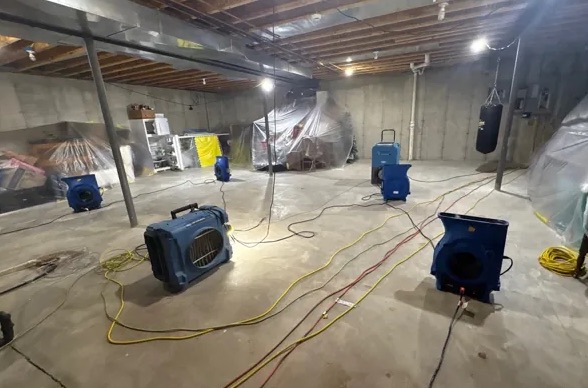
Addressing Hydrostatic Pressure Water Damage in Rio
In Rio areas where the water table rises in wet seasons, groundwater presses on foundation walls and can seep inside.
Detailed Hydrostatic Pressure Water Removal Methods
Foundation Crack Water Infiltration
Even hairline cracks can let in a lot of water when the soil is soaked. The water inside is removed, and sealing the crack is left to a foundation contractor.
Crawl Space Water Extraction
Pumps and extractors made for tight spaces remove water from the crawl space before any drying, encapsulation or other work can start.
Groundwater Intrusion Mitigation
Dealing with groundwater means removing what got in and drying the space. The pros also point out grading or drainage problems outside that a contractor can fix.
Slab Seepage Water Removal
Groundwater pushed up through a concrete slab can leave damp spots or a thin sheet of water. It is extracted and the slab and flooring are dried.
Wet Subfloor Removal
Water damage pros assess the damage, remove the compromised materials, and ensure the underlying joists are dry and sound before reconstruction.
When to Call for Hydrostatic Pressure Water Removal in Rio
Pooling Water in Crawl Space
Standing water in a crawl space is a clear sign water is getting in and needs to be removed.
Warped or Buckling Flooring
Flooring that warps or buckles near walls can mean water is coming up from below and the subfloor is wet.
Gurgling Sounds From Floor Drains
Gurgling floor drains during heavy rain can mean water pressure is building in the drain lines around the house.
Efflorescence on Concrete Surfaces
White, chalky deposits on foundation walls or the slab show water has been pushing through the concrete.
How Hydrostatic Pressure Water Removal Works in Rio
Step 1: Safety and Hazard Assessment
The area is made safe and electrical hazards are checked before any water removal starts.
Step 2: Foundation Crack Water Infiltration Stop
Water coming through cracks is managed with pumps while the area dries, and the cracks are noted for a foundation contractor.
Step 3: Advanced Drying System Setup
Desiccant dehumidifiers and injectidry systems are installed to dry deep within building materials. This equipment pulls moisture out of concrete, wood and insulation.
Step 4: Post-Restoration Integrity Check
A final check confirms the lower level is dry, and the readings are shared with you.
How Hydrostatic Pressure Creates Water Removal Emergencies
Poor Exterior Drainage Systems
Clogged gutters, downspouts and poor grading send water toward the foundation, where it builds pressure in the soil.
Foundation Settlement and Cracks
As a foundation settles, cracks form and give groundwater a direct path inside.
Plumbing Leaks Under the Slab
A broken water line under the slab keeps feeding water up through the floor.
Soil Expansion and Contraction
Clay soil swells when wet, adding pressure on foundation walls and opening paths for water.
Hydrostatic Pressure Water Removal for All Property Types
Residential Hydrostatic Pressure Water Removal
Hydrostatic pressure damage threatens a home's structure and indoor air. In homes throughout the Rio community in Jensen Beach, local water removal pros remove wet subfloor, dry the structure and repair foundation crack leaks to prevent costly long-term damage.
Commercial Hydrostatic Pressure Water Removal
In businesses, groundwater in a lower level can damage stock and equipment. The professionals remove the water and dry the space to keep downtime short.
Hydrostatic Pressure Water Removal: Why DIY Falls Short
Clearing gutters and extending downspouts away from the foundation are good steps to reduce water at the walls. If water is already coming in, call (772) 758-7923 for extraction and drying.
What Influences Hydrostatic Pressure Water Removal Costs in Rio
The price for hydrostatic pressure water removal in Rio varies based on factors like the severity of the slab leak and the complexity of wet subfloor removal required.
Mitigation Measures
Drainage or waterproofing work to stop water from returning is a separate cost from the water removal.
Affected Area Size
Larger flooded areas or large wet subfloors need more equipment and more days of drying.
Required Drying Time
The number of days the structure takes to dry is a large part of the cost.
Does Insurance Cover Hydrostatic Pressure Water Removal?
For water coming up through a slab, coverage often depends on whether the leak was sudden or slow. The professionals record the source and the wet areas, and your insurer decides.
Advantages of Hiring Local Pros for Hydrostatic Pressure Water Removal in Rio
Detailed Documentation
Photos and moisture logs of the work are kept to support your insurance claim.
Structural Damage Assessment
The pros check where water came in and which materials it reached before drying starts.
Targeted Groundwater Extraction
Equipment made for tight spaces removes water from crawl spaces and around slabs.
24/7 Emergency Hydrostatic Pressure Water Removal in Rio
Drying after groundwater gets in starts with a call to (772) 758-7923. The professionals are available 24/7 in Rio to remove the water and set up drying.
Call Now (772) 758-7923Hydrostatic Pressure Water Removal for Rio and Nearby Communities
Homeowners in Rio and nearby Ocean Breeze, Stuart and North River Shores can get help with flooded lower levels and wet subfloors.
- Hydrostatic Pressure Water Removal in Jensen Beach
- Hydrostatic Pressure Water Removal in Ocean Breeze
- Hydrostatic Pressure Water Removal in Stuart
- Hydrostatic Pressure Water Removal in North River Shores
- Hydrostatic Pressure Water Removal in Sewall's Point
- Hydrostatic Pressure Water Removal in Palm City
- Hydrostatic Pressure Water Removal in Port Salerno
- Hydrostatic Pressure Water Removal in River Park
Hydrostatic Pressure Water Removal FAQs
Does sealing a foundation crack stop water from coming in?
Sealing a crack, done by a foundation contractor, can help. Long-term control often also needs drainage or waterproofing outside to lower the water pressure.
Will drying stop water from coming back?
No. Drying fixes the damage that is already there. Keeping water out takes drainage, grading or waterproofing work by a contractor.
Can crawl space water extraction prevent mold?
Removing the water quickly and drying the crawl space fully takes away the moisture mold needs, which keeps it from starting.
What equipment is used for groundwater extraction?
Groundwater extraction uses submersible pumps for deep water, wet-dry vacuums for shallow flooding, and specialized extractors for under-slab water removal.
What are signs of soil pressure water intrusion?
Water seeping where the floor meets the wall, damp foundation walls and ongoing moisture in a crawl space.