Kenwood Estates, FL · Palm Beach County
Hydrostatic Pressure Water Removal in Kenwood Estates, FLGroundwater Intrusion Mitigation & Foundation Crack Water Infiltration
Hydrostatic Pressure Water Removal in Kenwood Estates covers groundwater intrusion mitigation, wet subfloor removal and crawl space water extraction.
Answered 24/7
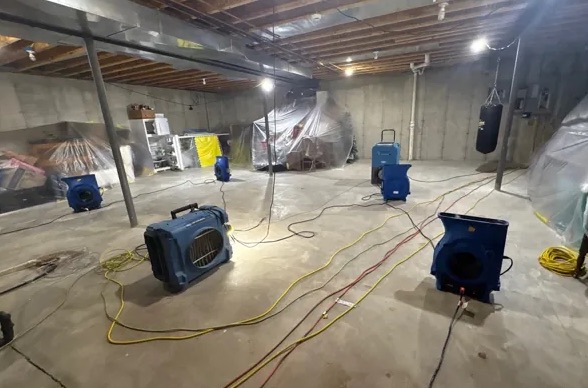
Professional Hydrostatic Pressure Water Removal in Kenwood Estates, FL
In Kenwood Estates, a damp crawl space from groundwater affects the air in the whole house and can draw pests and mold if it is not dried fully.
Hydrostatic Pressure Water Removal Services in Kenwood Estates
Groundwater Intrusion Mitigation
Moisture readings and entry points are recorded during the work, which helps plan both the drying and any drainage changes outside.
Foundation Crack Water Infiltration
Water coming through foundation cracks is pushed in by soil pressure. The water that got in is extracted and the area dried, and the crack is noted for a foundation contractor.
Wet Subfloor Removal
The process includes cutting out affected panels, disposing of them properly, and creating a dry, stable base for the new flooring material.
Slab Seepage Water Removal
Groundwater pushed up through a concrete slab can leave damp spots or a thin sheet of water. It is extracted and the slab and flooring are dried.
Slab Leak Water Removal
When water comes up through a slab, it is extracted before it wicks into the walls, and the slab surface and nearby materials are dried.
Signs of Groundwater Intrusion Requiring Hydrostatic Pressure Water Removal
Warped or Buckling Flooring
Flooring that warps or buckles near walls can mean water is coming up from below and the subfloor is wet.
High Indoor Humidity Levels
High humidity in lower levels that does not go away can mean water is seeping through the foundation.
Pooling Water in Crawl Space
Standing water in a crawl space is a clear sign water is getting in and needs to be removed.
Mold on Baseboards
Mold along baseboards or lower walls points to ongoing moisture coming through the foundation.
How Hydrostatic Pressure Water Removal Works in Kenwood Estates
Step 1: Safety and Hazard Assessment
The area is made safe and electrical hazards are checked before any water removal starts.
Step 2: Foundation Crack Water Infiltration Stop
Water coming through cracks is managed with pumps while the area dries, and the cracks are noted for a foundation contractor.
Step 3: Advanced Drying System Setup
Desiccant dehumidifiers and injectidry systems are installed to dry deep within building materials. This equipment pulls moisture out of concrete, wood and insulation.
Step 4: Post-Restoration Integrity Check
A final check confirms the lower level is dry, and the readings are shared with you.
Sources Requiring Hydrostatic Pressure Water Removal
Clogged or Collapsed Footing Drains
When perimeter drains clog or fail, water has nowhere to go and presses against the walls and slab.
Soil Expansion and Contraction
Clay soil swells when wet, adding pressure on foundation walls and opening paths for water.
Heavy or Prolonged Rainfall
Long periods of rain soak the soil, and the water presses against the foundation until it finds a way in.
Failed or Missing Waterproofing
Worn exterior coatings or membranes let groundwater reach the foundation wall directly.
Hydrostatic Pressure Water Removal for Homes and Businesses in Kenwood Estates
Residential Hydrostatic Pressure Water Removal
Hydrostatic pressure damage threatens a home's structure and indoor air. In homes throughout Kenwood Estates, a census-designated place in Palm Beach County, local water removal pros remove wet subfloor, dry the structure and repair foundation crack leaks to prevent costly long-term damage.
Commercial Hydrostatic Pressure Water Removal
In businesses, groundwater in a lower level can damage stock and equipment. Local hydrostatic pressure experts remove the water and dry the space to keep downtime short.
Why Hydrostatic Pressure Water Removal Requires Local Pros in Kenwood Estates
If a plumbing leak may be adding to the water, shut off the main valve. Finding where groundwater enters and drying the structure takes meters and drying equipment.
Budgeting for Hydrostatic Pressure Water Removal in Kenwood Estates
The price for hydrostatic pressure water removal in Kenwood Estates varies based on factors like the severity of the slab leak and the complexity of wet subfloor removal required.
Intrusion Severity
How deep the water is and how much keeps coming in decide how long extraction takes.
Required Drying Time
The number of days the structure takes to dry is a large part of the cost.
Material Saturation Level
Deeply soaked subflooring or wet foundation walls need more extraction and dehumidification.
Does Insurance Cover Hydrostatic Pressure Water Removal?
Coverage for crawl space water often depends on the cause, such as groundwater versus a plumbing leak. The experts in Palm Beach County document the water and damage for you to send to your insurer.
Benefits of Local Pros for Hydrostatic Pressure Issues
Controlled Demolition Protocols
Only subfloor and materials that cannot be dried are removed, which keeps the repair smaller.
Structural Damage Assessment
The pros check where water came in and which materials it reached before drying starts.
IICRC-Standard Drying Methods
Drying the structure fully after water intrusion protects the foundation and framing from lasting damage.
Emergency Hydrostatic Pressure Water Removal in Kenwood Estates
If water is coming through foundation cracks or up through the slab, call (772) 758-7923 for 24/7 help in Kenwood Estates. Removing it early keeps the damage smaller.
Call Now (772) 758-7923Hydrostatic Pressure Water Removal Coverage in Kenwood Estates, Greenacres, Palm Springs and Pine Air
Crawl space pumping and slab leak water removal are available in Kenwood Estates and the wider Palm Beach County region, including Greenacres, Palm Springs and Pine Air.
- Hydrostatic Pressure Water Removal in Greenacres
- Hydrostatic Pressure Water Removal in Palm Springs
- Hydrostatic Pressure Water Removal in Pine Air
- Hydrostatic Pressure Water Removal in Atlantis
- Hydrostatic Pressure Water Removal in Lake Worth Beach
- Hydrostatic Pressure Water Removal in Gun Club Estates
- Hydrostatic Pressure Water Removal in Seminole Manor
- Hydrostatic Pressure Water Removal in Lake Belvedere Estates
- Emergency Damage Restoration in 33465
- Storm Damage Restoration in 33465
- Water Damage Restoration in 33465
- Water Extraction Service in 33465
- Water Leak Detection in 33465
- Water Removal Service in 33465
Hydrostatic Pressure Water Removal FAQs
What are signs of soil pressure water intrusion?
Water seeping where the floor meets the wall, damp foundation walls and ongoing moisture in a crawl space.
What does groundwater intrusion mitigation involve?
Removing the water, drying the structure and then, often, drainage or waterproofing work outside by a contractor.
What is structural drying after intrusion?
It is drying the concrete, wood and other building materials after groundwater or flood water gets inside.
How long does drying take after groundwater comes in?
Most jobs take several days of drying. Waterproofing repairs, if needed, are a separate job for a waterproofing contractor.
What equipment is used for groundwater extraction?
Groundwater extraction uses submersible pumps for deep water, wet-dry vacuums for shallow flooding, and specialized extractors for under-slab water removal.