River Park, FL · St. Lucie County
High-Velocity Air Mover Drying in River Park, FLHardwood Floor Drying & Wall Cavity Drying
High-Velocity Air Mover Drying in River Park includes residential flood drying services, carpet drying with air movers and wall cavity drying.
Answered 24/7
High-Velocity Air Mover Drying Solutions in River Park, Florida
In River Park, the goal of high-velocity air mover drying is to get a home or business dry and safe after a plumbing failure or storm leak, so people can use the space again sooner.
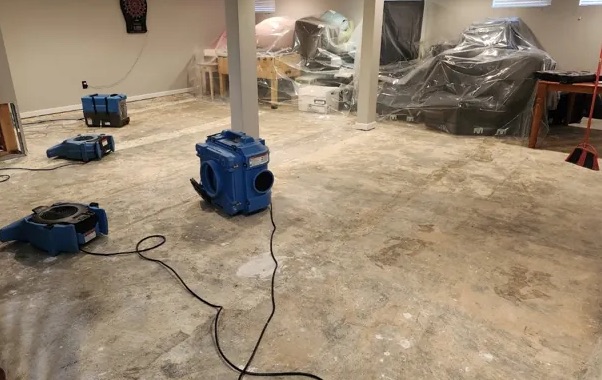
In River Park and nearby locales like Indian River Estates, White City and Nettles Island, high-velocity air mover drying is a targeted way to reach specific drying goals. After extraction, air movers are set to create cross-flow over wet floors and walls. Dehumidifiers then pull the evaporated water out of the air.
High-Velocity Air Mover Drying and Related Services in River Park
Hardwood Floor Drying
Local drying specialists in River Park utilize air mover systems to generate consistent, high-volume airflow that pulls moisture out of the wood, helping to restore its original condition and finish.
Wall Cavity Drying
Water trapped in a wall needs airflow inside the cavity, which is standard practice when drying water-damaged walls.
Equipment Assisted Drying
Air movers are one part of a drying system. Dehumidifiers and moisture readings make sure the materials actually reach their drying goals.
Post-Extraction Structural Drying
Removing standing water is only part of the job. The drying that follows uses air movers to dry the building materials themselves.
Commercial Building Air Mover Drying
In commercial spaces, air movers are placed along stockrooms and main halls so drying covers every wet area with little disruption.
Signs You Need Professional High-Velocity Air Mover Drying
Peeling Paint or Wallpaper
Bubbling or peeling paint or wallpaper means moisture is trapped behind the surface, inside the wall cavity.
Condensation on Windows or Pipes
Heavy condensation on windows can mean indoor moisture is high after a leak.
Swollen Wooden Doors or Cabinets
Doors or cabinets that stick or swell are often reacting to moisture in the room.
Musty Odors After Water Damage
A musty smell in a room often means hidden moisture that should be dried before mold starts.
How High-Velocity Air Mover Drying Works in River Park
Step 1: Emergency Water Removal
Bulk water is extracted first so the materials spend less time soaking it up.
Step 2: Application of Drying Technology
Air movers then put steady, directed airflow on all of the wet surfaces.
Step 3: Humidity and Temperature Management
Temperature and humidity are managed so drying stays on track and condensation does not form.
Step 4: Validation of Structural Dryness
A final check confirms the structure is dry in homes and commercial buildings alike.
Reasons for High-Velocity Air Mover Drying Calls in River Park
Natural Flooding From Heavy Rain
Heavy rain or flash flooding can overwhelm drainage and push water into buildings.
Improper Grading and Poor Drainage
Ground that slopes toward the foundation sends rain at the walls and keeps them damp.
Human Error and Accidental Spills
Overflowing bathtubs, sink mishaps, or other indoor accidents introduce water that can soak into materials.
Appliance Malfunctions and Overflows
Water heaters, washing machines and dishwashers that leak or overflow are common sources of wet floors and walls.
High-Velocity Air Mover Drying for All Properties in River Park
Residential High-Velocity Air Mover Drying
In homes, high-velocity air movers target moisture trapped after leaks or floods. Local water damage pros dry carpet and hardwood floors in River Park, a census-designated place in St. Lucie County, which helps save them.
Commercial High-Velocity Air Mover Drying
In businesses, air movers are set up in offices, stores and warehouses after a leak so the space dries and can reopen sooner.
High-Velocity Air Mover Drying vs. DIY Drying Methods
After removing surface water, you can dehumidify the space with a residential dehumidifier to help reduce ambient humidity. This can aid in preventing condensation on cool surfaces. Ensure the unit is sized appropriately for the space.
Considering High-Velocity Air Mover Drying Expense in River Park
Drying a home usually costs less than a commercial building because of scale and the amount of equipment needed.
Ancillary Dehumidification Need
Dehumidifiers are usually needed alongside air movers, adding equipment to the setup.
Pre-Drying Water Extraction
Standing water has to be extracted before air movers can work, which adds a first step.
Drying Time Required
The number of days the equipment runs to reach normal dryness affects labor, monitoring and equipment costs.
Does Insurance Cover High-Velocity Air Mover Drying?
Coverage for high-velocity air mover drying depends on the cause of loss and the specific policy. The decision to cover this water damage drying process rests with the insurance adjuster; homeowners should confirm applicability directly.
The Value of Local Pros for High-Velocity Air Mover Drying
Objective Drying Verification
The job is not finished until moisture meters show every wet material is dry.
Sequential Drying Process
Drying follows a set order: extraction first, then air movement and dehumidification.
Prevention of Secondary Damage
Fast, full drying stops mold, warped wood and crumbling drywall before they start.
Emergency High-Velocity Air Mover Drying Response for River Park
If you find standing water, drying matters. Call (772) 758-7923 for 24/7 help and a check of what needs drying in River Park.
Call Now (772) 758-7923High-Velocity Air Mover Drying for River Park and Surrounding Communities
Drying with air movers after extraction is available in River Park and in nearby Indian River Estates, White City and Nettles Island.
- High-Velocity Air Mover Drying in Indian River Estates
- High-Velocity Air Mover Drying in White City
- High-Velocity Air Mover Drying in Nettles Island
- High-Velocity Air Mover Drying in Hutchinson Island
- High-Velocity Air Mover Drying in North River Shores
- High-Velocity Air Mover Drying in Jensen Beach
- High-Velocity Air Mover Drying in Ocean Breeze
- High-Velocity Air Mover Drying in Rio
- Emergency Damage Restoration in 34983
- Storm Damage Restoration in 34983
- Water Damage Restoration in 34983
- Water Extraction Service in 34983
- Water Leak Detection in 34983
- Water Removal Service in 34983
- Emergency Damage Restoration in 34985
- Storm Damage Restoration in 34985
Common High-Velocity Air Mover Drying Questions Answered
What is high-velocity air mover drying?
It is drying with powerful fans that push fast-moving air across wet surfaces, so water evaporates faster after water damage.
What indicates that drying is complete?
Moisture meters test the materials and compare them with dry areas nearby, which shows when drying is done.
What areas need drying after a pipe leak?
Water often wicks into wall cavities, under trim and into subfloors, and all of those need to be checked and dried.
What are the risks of inadequate drying?
Hidden moisture left behind can cause mold, wood rot, crumbling drywall and odors, which lead to costly repairs.
Why use air movers for hardwood floor drying?
Gentle, directed airflow across the boards helps draw water out of the wood to limit cupping and swelling.