Port St. Lucie, FL · St. Lucie County
Heating System Mold Cleanup in Port St. Lucie, FLAir Duct Mold Remediation & Vent Register Mold Cleaning
Heating System Mold Cleanup for Port St. Lucie involves evaporator coil mold removal, air duct mold remediation, and post-remediation air testing.
Answered 24/7
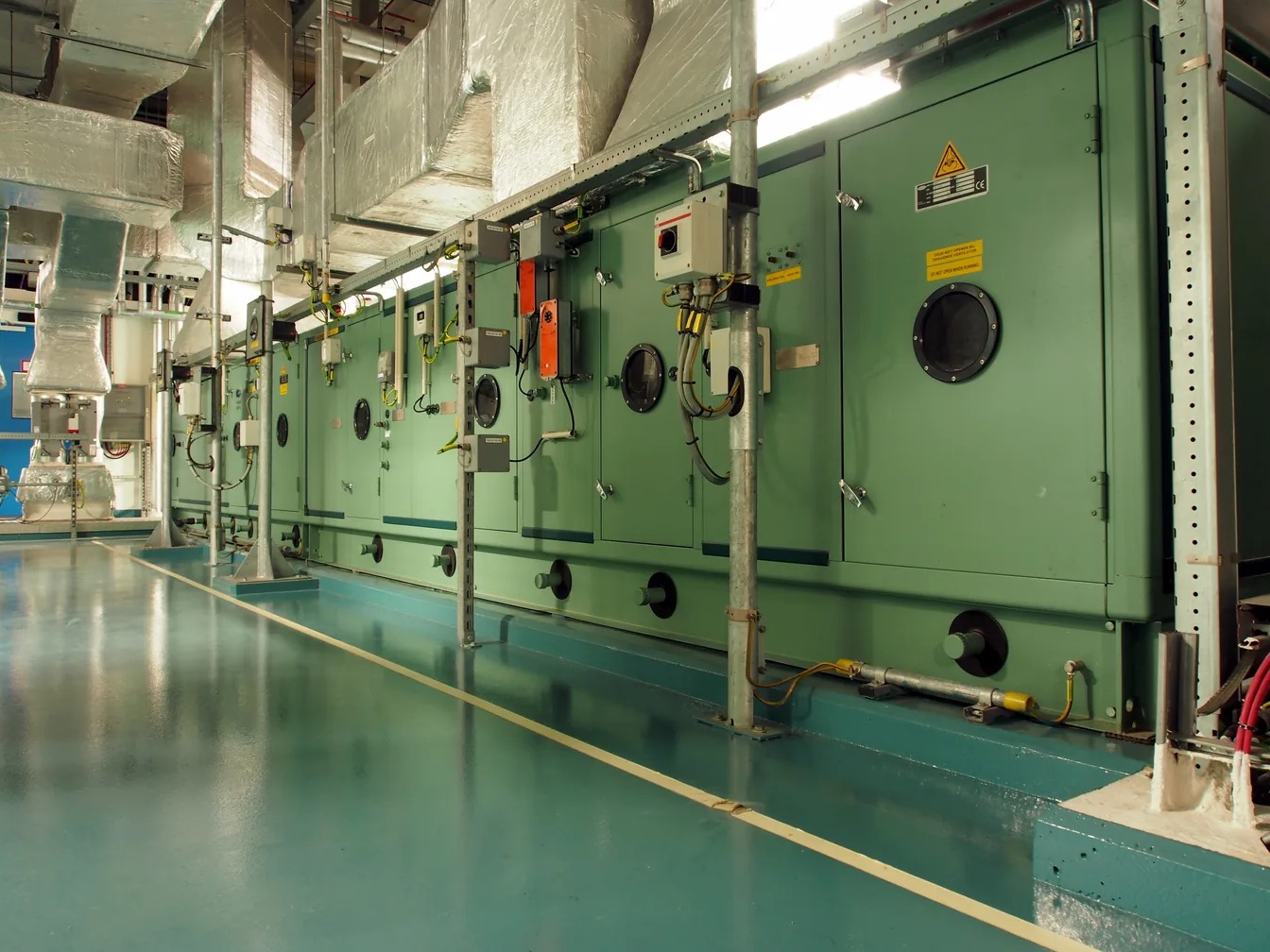
Expert Heating System Mold Cleanup for Homes in Port St. Lucie
In Port St. Lucie, condensation or leaks can keep parts of a heating system damp, and mold grows there. Cleaning the coils and ducts restores airflow.
Heating unit mold cleanup is available in Port St. Lucie and nearby areas like River Park, North River Shores and Indian River Estates. Mold in HVAC systems spreads quickly through the ducts and into indoor air. Local heating unit mold cleanup pros tailor the work to each home.
Heating System Mold Cleanup Work Scope in Port St. Lucie, FL
Air Duct Mold Remediation
Cleaning mold from ducts addresses the system of supply and return vents throughout a home. The pros mechanically agitate and extract visible mold and debris. Cleanup and system repair depend on it.
Vent Register Mold Cleaning
The process involves removing, washing, and reinstalling grilles. The pros make sure no debris remains. This adds a finishing touch to heating system mold cleanup.
Ductwork Mold Sealing
The pros apply professional-grade sealants to all duct joints and connections. This creates a more controlled system, enhancing the long-term success of heating unit mold cleanup.
Furnace Mold Cleanup
Furnace mold cleanup targets growth in the blower and heat exchanger. The pros disassemble components to clean surfaces. This is often part of broader heating system mold cleanup.
Post-Remediation Air Testing
The pros use air pumps and spore traps to sample air from supply vents and living areas. Air testing after remediation confirms the cleanup worked.
Indicators of Mold in Your Heating Unit in Port St. Lucie
Humid or Stuffy Indoor Air
Consistently humid air indoors suggests poor HVAC performance, potentially from mold clogging the evaporator coil or air handler.
Reduced Heating Efficiency
Higher energy bills and weak airflow can mean mold is obstructing ductwork or coating the furnace heat exchanger.
Excessive Dust Around Vents
Unusual dust buildup near heating vents can signal mold growth acting as a binding agent for particulates.
Visible Mold on Registers
Dark spots or fuzzy mold around air vents or registers are a clear sign of mold in the heating system.
How Heating System Mold Cleanup Works in Port St. Lucie
Step 1: Initial Air Quality and Visual Inspection
The pros conduct an initial assessment, noting visible mold and using tools to gauge spore levels in the air from the HVAC.
Step 2: Aggressive Ductwork and Vent Cleaning
Vent and register cleaning is performed alongside deep duct cleaning to remove all mold-laden dust from the air distribution system.
Step 3: Air Handler and Coil Mold Removal
The air handler and evaporator coil, where mold most often grows, are cleaned and treated.
Step 4: Verification and System Performance Test
A final walk-through and system operation test verify that the HVAC mold remediation is complete and the unit functions properly.
Why Mold Develops in Heating and Cooling Systems
Improper Furnace Maintenance
Neglected furnace cleaning allows dust and organic debris to accumulate, which mold uses as a food source when damp.
Condensate Drain Line Clogs
A blocked AC drain pan or line causes water overflow into the air handler and ductwork, leading to mold growth.
Leaking Roof Above HVAC
Water intrusion from a roof leak near HVAC equipment can drip directly into air ducts or the furnace cabinet.
High Indoor Humidity Levels
Excess moisture in the air condenses on cool HVAC components like evaporator coils, creating a mold breeding ground.
Both Residential & Commercial Heating System Mold Cleanup in Port St. Lucie
Residential Heating System Mold Cleanup
Sanitizing covers every part of the heating unit. The pros focus on the furnace, air handler, and ductwork to eliminate mold sources affecting family health.
Commercial Heating System Mold Cleanup
Mold in a business's heating vents can affect operations and indoor air quality standards. The pros clean ducts and sanitize HVAC systems in offices, stores and other commercial buildings.
DIY Mold Cleaning vs. Professional Heating System Mold Cleanup
You can visually inspect accessible ductwork for signs of moisture or external mold growth. Using a dehumidifier near the HVAC system can assist in controlling ambient humidity. For any mold found inside the air handler or deep in ducts, professional heating unit mold cleanup by the pros is necessary for safe removal.
Understanding Heating System Mold Cleanup Cost in Port St. Lucie
In Port St. Lucie, the final cost for heating unit mold cleanup is shaped by the accessibility of your ductwork and the extent of spore colonization.
Accessibility Challenges
Hard-to-reach duct runs or tightly packed mechanical rooms can increase the time needed for furnace mold cleanup.
Post-Cleanup Verification
Optional services like air testing to verify the success of the HVAC mold remediation process incur an additional fee.
Disposal Requirements
The cost for safe disposal of contaminated materials, like insulation or filters, is factored into the final service price.
Does Insurance Cover Heating System Mold Cleanup?
Homeowners insurance policies may cover heating unit mold cleanup if the contamination stems directly from a covered sudden event, such as a burst pipe within the heating system. Coverage decisions belong solely to the insurer. Documentation of the damage with photos and moisture readings is typically prepared for the homeowner's claim file.
Advantages of Hiring Heating Unit Mold Cleanup Pros in Port St. Lucie
Containment Protocols
Setting up containment during ductwork mold cleaning helps prevent the spread of spores to other areas of your home.
Post-Remediation Verification
Optional air testing gives you data showing that spore levels have dropped.
IICRC-Standard Remediation Methods
Protocols for HVAC mold removal follow industry standards for containment, cleaning, and verification to address the contamination properly.
24/7 Heating System Mold Cleanup Assistance in Port St. Lucie
Discovering mold in your air handler or furnace demands quick action to prevent spore circulation. Call the pros at (772) 758-7923 for 24/7 HVAC mold remediation in Port St. Lucie.
Call Now (772) 758-7923Heating System Mold Cleanup Service Area Including Port St. Lucie
Air duct mold cleanup is available in Port St. Lucie and nearby communities like River Park, North River Shores and Indian River Estates.
Heating System Mold Cleanup FAQs
What does mold spore removal from HVAC involve?
It involves using HEPA vacuums, agitation tools, and antimicrobial agents to physically remove and kill spores from system surfaces and the air stream.
What happens during vent and register cleaning?
Registers are removed, cleaned, and sanitized, and the accessible first few feet of vent openings are scrubbed to remove visible mold deposits.
What are the signs I need HVAC mold remediation?
Musty odors from vents, visible mold on registers or inside the air handler, and increased allergy symptoms when the system runs can indicate a problem.
Is air duct mold cleanup different from standard duct cleaning?
Yes, mold cleanup involves specific biocides and containment protocols to kill and remove active mold, not just dust and debris removal.
Can mold return after heating unit sanitization?
If the underlying moisture source isn't fixed, regrowth is possible; the cleanup addresses the existing mold, but moisture control is key for long-term results.