Wellington, FL · Palm Beach County
Flooring Replacement after Water Damage in Wellington, FLLaminate Floor Water Damage & Subfloor Drying Services
Flooring Replacement after Water Damage in Wellington handles laminate floor water damage, tile floor water damage and carpet water damage removal.
Answered 24/7
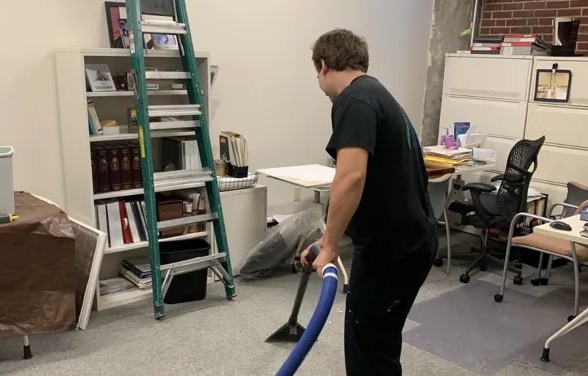
Expert Flooring Replacement after Water Damage for Wellington Homes
In Wellington, the subfloor decides whether new flooring lasts. New flooring laid over a wet subfloor will fail, and the wet wood can rot the joists below.
Properties in Wellington often face water damage from internal sources like water heaters or plumbing leaks. Local water restoration pros serve this community and nearby places like Loxahatchee Groves, Royal Palm Beach and Golden Lakes, drying subfloors before any new flooring goes in.
Flooring Replacement after Water Damage Services in Wellington
Laminate Floor Water Damage
Moisture destroys laminate seams and locking mechanisms. For residents in the village of Wellington, experts remove compromised flooring and verify subfloor dryness.
Subfloor Drying Services
A subfloor has to be fully dry before new flooring goes on it. Moisture meters find damp spots, and air movers and dehumidifiers dry the wood so it does not rot.
Hardwood Floor Water Damage
Water stains and swells hardwood. The pros check how deep the damage goes, and replacement starts only once the subfloor is dry and solid.
Tile Floor Water Damage
Hidden water damage beneath tiles can cause loosening or mold odors. Local water damage pros in Wellington remove tiles to inspect mortar and subfloor.
Emergency Floor Water Extraction
Rapid removal of standing water mitigates loss. The pros use extractors to pull water from surfaces and padding.
When to Consider Flooring Replacement after Water Damage in Wellington
Increased Indoor Humidity
Higher humidity in the room can come from water evaporating out of a damaged floor.
Loose or Hollow Tile Sounds
Tiles that sound hollow when tapped have often come loose because the subfloor got wet.
Carpet Stains and Odors
Damp spots or a musty smell mean water has soaked the carpet pad and the floor below.
Lifting Laminate Floor Planks
Planks that separate or peak at the seams show water has reached the underside of the floor.
How Flooring Replacement after Water Damage Works in Wellington
Step 1: First Call and Containment
The pros first stop the water and keep it from reaching more of the floor.
Step 2: Comprehensive Moisture Detection
Advanced detection tools locate hidden moisture within floor layers and the subfloor. The readings show how much flooring needs repair.
Step 3: Systematic Wet Floor Removal
Damaged floor coverings are systematically removed in a controlled manner to preserve undamaged sections. Wet flooring comes out so the subfloor can dry.
Step 4: Drying, Sanitizing, and Rebuilding
The area gets a final drying check and cleaning, then new flooring is installed.
Why Floors Get Water Damaged in Wellington
Pet Accidents and Spills
Repeated spills or pet accidents that are not cleaned up can soak through flooring into the underlayment.
Roof Leaks During Storms
Roof leaks during storms can drip through ceilings for days and soak the floors in upstairs rooms.
Water Heater Tank Failure
A failed water heater tank can release dozens of gallons onto the floor around it.
Plumbing Pipe Bursts
A broken supply line or drain pipe under a sink or inside a wall releases water right onto the floor.
Flooring Replacement after Water Damage for Homes & Businesses in Wellington
Residential Flooring Replacement after Water Damage
Replacing a flooded floor in your Wellington home starts with moisture testing. The pros document wet hardwood and carpet for your insurance claim.
Commercial Flooring Replacement after Water Damage
In stores and offices, water on the floor is a safety problem. The pros remove it, take out flooring that cannot be saved and dry the subfloor for new commercial flooring.
Flooring Replacement after Water Damage vs. DIY in Wellington
Wearing gloves, wipe down the baseboards next to the wet floor. If you notice mold, soft spots or water spread across several rooms, call (772) 758-7923 for drying help.
Factors in Flooring Replacement after Water Damage Pricing in Wellington
Material choices change the price of flooring replacement after water damage in Wellington. Tile instead of carpet, or engineered wood instead of solid hardwood, changes the total.
Labor Intensity
Patterns like herringbone or large-format tile take more installation time than a simple layout.
Subfloor Condition
A warped or rotten wood subfloor has to be replaced, adding materials and labor.
Area Square Footage
The total square footage of flooring that needs replacing drives most of the cost.
Does Insurance Cover Flooring Replacement after Water Damage?
Many homeowners insurance policies cover Flooring Replacement after Water Damage if the water damage is sudden and accidental, like from a burst pipe. The pros document the damage with photos and moisture readings for a claim, but the final coverage decision belongs to the insurer.
Selecting Wellington Local Pros for Flooring Replacement after Water Damage
Detailed Damage Documentation
Photos and moisture logs from the pros give your insurer a clear record for the claim.
Proper Subfloor Assessment
Checking the subfloor first keeps new flooring from going down over hidden water or weak spots.
IICRC-Standard Water Removal
Removing water and drying the subfloor before new flooring goes down keeps the new floor from cupping or lifting.
24/7 Emergency Flooring Replacement after Water Damage in Wellington
Removing water early can be the difference between a small repair and replacing a whole floor. For waterlogged floors in Wellington, call (772) 758-7923 at any hour.
Call Now (772) 758-7923Flooring Replacement after Water Damage Reach from Wellington
Dealing with a water-damaged floor in Wellington? Services are available throughout Wellington and surrounding communities including Loxahatchee Groves, Royal Palm Beach and Golden Lakes.
- Flooring Replacement after Water Damage in Loxahatchee Groves
- Flooring Replacement after Water Damage in Royal Palm Beach
- Flooring Replacement after Water Damage in Golden Lakes
- Flooring Replacement after Water Damage in Lake Belvedere Estates
- Flooring Replacement after Water Damage in Greenacres
- Flooring Replacement after Water Damage in Kenwood Estates
- Flooring Replacement after Water Damage in Gun Club Estates
- Flooring Replacement after Water Damage in Pine Air
- Emergency Damage Restoration in 33414
- Storm Damage Restoration in 33414
- Water Damage Restoration in 33414
- Water Extraction Service in 33414
- Water Leak Detection in 33414
- Water Removal Service in 33414
- Emergency Damage Restoration in 33449
- Storm Damage Restoration in 33449
Your Flooring Replacement after Water Damage Questions Resolved
How quickly should water be removed from flooring?
As soon as possible. Removing water within a day or two lowers the risk of lasting damage and mold.
What happens during carpet water damage removal?
Water is extracted, the wet carpet and pad are removed, the area is cleaned and the subfloor is dried before any replacement.
When is emergency floor water extraction needed?
Right after a flood or large leak, to remove standing water before the floor soaks it up and to start drying.
How is waterlogged floor cleanup performed?
It starts with extracting the water, then removing what cannot be saved, cleaning the area and drying it before repairs.
Why is subfloor drying so important?
Moisture hidden in the subfloor can lead to rot and mold and will ruin new flooring laid on top of it.