Lakewood Park, FL · Saint Lucie County
Desiccant Dehumidification in Lakewood Park, FLWater Damage Dehumidification & Flood Drying Services
Desiccant Dehumidification in Lakewood Park covers flood drying services, crawl space drying and emergency dehumidification.
Answered 24/7
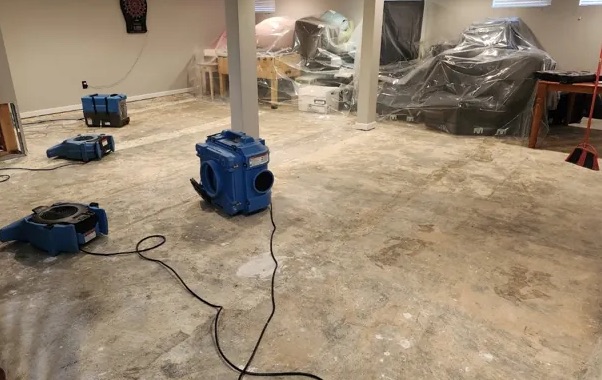
Desiccant Dehumidification Solutions in Lakewood Park, Florida
After a fire in Lakewood Park, the water used to put it out soaks rooms well beyond the burned area. That water needs to come out before rebuilding.
In Lakewood Park, Florida Ridge, South Beach and Fort Pierce North, builders sometimes need slabs and drywall dried before flooring goes in. The pros lower humidity on the job site to speed that up.
Desiccant Dehumidification Methods Used in Lakewood Park
Water Damage Dehumidification
After a leak or flood, dehumidifiers remove moisture from the air so wet drywall, wood and carpet can dry out.
Flood Drying Services
After floodwater is pumped out, desiccant dehumidifiers can bring the air to very low humidity, which pulls moisture out of walls, floors and framing faster.
Emergency Dehumidification
Equipment is sized to the space on the first visit and adjusted each day based on readings.
Construction Drying Services
Readings on slabs and framing show when materials are dry enough for the next stage of work.
Crawl Space Drying
Crawl spaces are cool and damp, which suits desiccant units. Dry air is pushed in to pull moisture from the joists and subfloor.
Warning Signs You Need Desiccant Dehumidification in Lakewood Park
Efflorescence on Masonry Surfaces
White, powdery deposits on masonry show water moving through concrete or block.
Wet Insulation in Attics or Walls
Insulation that is wet in attics or walls holds water against framing and slows drying.
Warped Wood Floors or Trim
Wood floors or trim that cup or warp after a leak are still taking on moisture.
Strong Damp Odor in Rooms
A damp smell that stays in a room after cleanup means materials there are still holding moisture.
How Desiccant Dehumidification Works in Lakewood Park
Step 1: Moisture Mapping
Readings across walls, floors and framing show exactly where moisture remains in the building.
Step 2: Equipment Placement
Dehumidifiers and air movers are placed where the moisture readings are highest.
Step 3: Continuous Moisture Extraction
Drying runs until the wettest areas match the rest of the building.
Step 4: Confirmation and Reporting
A report shows the starting and final moisture readings for each area that was dried.
Typical Moisture Intrusions and Desiccant Dehumidification in Lakewood Park
Appliance Malfunctions and Overflows
Washers, dishwashers and water heaters that leak leave wet floors, cabinets and walls.
Plumbing Leaks or Pipe Bursts
Burst pipes and leaking supply lines soak walls and floors that then need drying.
Foundation Cracks and Seepage
Foundation cracks let groundwater seep into lower levels, keeping walls and floors damp.
Fire Suppression System Activation
Fire sprinklers and firefighting water soak large areas of a building at once.
Desiccant Dehumidification for All Property Types in Lakewood Park
Residential Desiccant Dehumidification
Homes with wet attics after roof leaks may need attic drying equipment placed carefully on boards for safe footing.
Commercial Desiccant Dehumidification
Schools, offices and medical buildings may schedule equipment setup and removal after hours to limit disruption to staff and visitors.
The Limits of DIY Desiccant Dehumidification in Lakewood Park
Opening windows only helps on dry, breezy days. Commercial dehumidifiers keep drying no matter what the weather outside is doing, which makes them more reliable.
Investing in Desiccant Dehumidification for Lakewood Park Properties
Repairs after drying are a separate cost. In Lakewood Park, fully dried materials often mean fewer repairs are needed.
Number of Dehumidifiers
The number and size of dehumidifiers needed for the space is a major part of the cost.
Additional Restoration Steps
Extraction, material removal and cleaning before drying are separate steps that add to the total.
Access and Complexity
Crawl spaces, tight areas and large buildings take more effort to set up and monitor.
Does Insurance Cover Desiccant Dehumidification?
Insurers often want proof that drying was needed and that it worked. Starting and final moisture readings from the job show both.
Why Choose Local Pros for Desiccant Dehumidification in Lakewood Park
Structural Drying
Walls, floors and framing are dried, not just the air in the room.
Prevention of Mold
Fast, complete drying is one of the main ways to keep mold from starting after water damage.
Industry Drying Standards
Drying follows industry water damage standards, with readings taken at every visit.
24/7 Emergency Desiccant Dehumidification in Lakewood Park
Crawl space or lower level wet after a storm? Call (772) 758-7923 now for desiccant dehumidification in Lakewood Park before the framing stays damp.
Call Now (772) 758-7923Desiccant Dehumidification Near Lakewood Park: Areas Served
Besides Lakewood Park, local moisture removal pros handle desiccant and standard drying in nearby Florida Ridge, South Beach and Fort Pierce North.
- Desiccant Dehumidification in Florida Ridge
- Desiccant Dehumidification in South Beach
- Desiccant Dehumidification in Fort Pierce North
- Desiccant Dehumidification in Vero Beach South
- Desiccant Dehumidification in Vero Beach
- Desiccant Dehumidification in Fort Pierce
- Desiccant Dehumidification in Indian River Shores
- Desiccant Dehumidification in Gifford
Answers to Top Desiccant Dehumidification Queries
How do rapid drying methods protect my property?
They dry materials before they swell, warp or grow microbes, which keeps repairs smaller.
Can desiccant dehumidification dry behind walls?
Dry air helps, especially when directed into wall cavities through small openings, with readings to confirm results.
What is the goal of flood drying services?
To remove the moisture left after floodwater is pumped out so the building can be cleaned and repaired.
Is desiccant dehumidifier rental available for DIY projects?
Units can be rented, but they need correct setup, and readings are needed to know when materials are dry.
How does a desiccant dehumidifier work differently?
It passes air over a material that absorbs moisture instead of cooling the air, so it keeps working in cool conditions.