Fort Pierce, FL · Saint Lucie County
Ceiling Drywall Water Damage Restoration in Fort Pierce, FLWet Ceiling Drywall Removal & Water Damaged Ceiling Repair
Ceiling Drywall Water Damage Restoration in Fort Pierce includes ceiling leak water cleanup, water damaged ceiling repair and ceiling mold prevention.
Answered 24/7
Your Fort Pierce Ceiling Drywall Water Damage Restoration Professionals
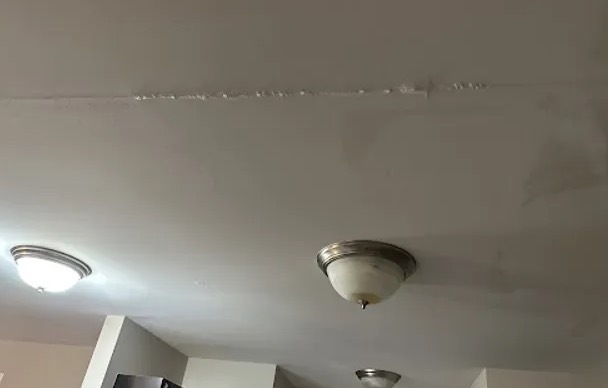
A ceiling stain in Fort Pierce is a sign, not just a cosmetic problem. It means water reached the drywall from above, and the joists and insulation over it may still be wet.
In Fort Pierce, Fort Pierce North, White City and Indian River Estates, ceilings under upstairs bathrooms often show the first sign of a slow leak. The pros find the water and dry it before the ceiling weakens.
Complete Ceiling Drywall Water Damage Restoration Solutions for Fort Pierce
Wet Ceiling Drywall Removal
Ceiling drywall that sagged, softened or soaked through is cut out to sound material and removed, along with wet insulation above it.
Water Damaged Ceiling Repair
Once the cavity is dry, new drywall is hung, taped, textured and painted to blend with the rest of the ceiling.
Ceiling Leak Water Cleanup
Ceiling leak cleanup covers the room below and the space above, including wet insulation, debris and any water on the attic floor.
Emergency Ceiling Water Extraction
After the ceiling is drained, water on the floor below is extracted and wet furniture is moved out of the way.
Emergency Roof Leak Response
When a roof leak is pouring into a ceiling during a storm, a tarp can be placed over the damaged area to stop more water while the ceiling is drained.
Warning Signs You Need Ceiling Drywall Water Damage Restoration
Visible Mold
Dark spots on the ceiling mean the drywall has stayed wet long enough for mold to start.
Peeling Paint or Texture
Paint or ceiling texture that peels, flakes or bubbles usually has moisture behind it.
Staining Around Corners
Stains in ceiling corners often point to roof, flashing or exterior wall leaks.
Plaster Crumbling or Softening
Plaster ceilings that soften, crumble or bulge have absorbed water and may need removal.
How Ceiling Drywall Water Damage Restoration Works in Fort Pierce
Step 1: Ceiling Leak Source Identification
The pros trace the water to the roof, plumbing or an appliance above and stop or tarp it.
Step 2: Wet Ceiling Drywall Removal
Soaked or sagging drywall is cut back to sound material, and wet insulation is bagged.
Step 3: Structural Drying With Air Movers
Joists and remaining drywall are dried, with dehumidifiers running in the room below.
Step 4: Final Ceiling Repair and Finishing
The opening is patched, taped, textured and painted once the cavity is confirmed dry.
Causes of Ceiling Drywall Water Damage in Fort Pierce
Burst or Leaking Pipes
Pipes running through ceilings and floors can burst or leak directly onto the drywall.
Roof Leaks From Storms
Wind and hail damage let rain through the roof and onto the ceiling drywall below.
HVAC Unit Condensation Issues
Attic AC units overflow when the condensate line clogs, dripping onto the ceiling.
Window or Skylight Seal Failure
Failed seals around skylights and windows let rain into the ceiling around them.
Expert Ceiling Drywall Water Damage Restoration for Fort Pierce Residences and Companies
Residential Ceiling Drywall Water Damage Restoration
In two-story homes, a ceiling leak can also wet the walls below. Those walls are checked with a meter and dried if needed.
Commercial Ceiling Drywall Water Damage Restoration
Warehouses and retail spaces with high ceilings may need lifts to reach the damage. The work is planned to keep aisles and exits clear.
Should You Attempt Ceiling Drywall Water Damage Restoration Yourself?
Never poke a bulging ceiling while standing under it. Water and drywall can come down at once. Keep people out of the room and call (772) 758-7923.
Factors Affecting Ceiling Drywall Water Damage Restoration Price in Fort Pierce
The cost of ceiling drywall water damage restoration in Fort Pierce depends on how much ceiling got wet, whether drywall and insulation must be removed and how hard the ceiling is to reach.
Source of Water Intrusion
Clean water from a pipe is simpler to handle than water from a drain or roof debris.
Need for Structural Drying
Ceiling cavities that need several days of drying add equipment time to the job.
Mold Prevention Measures
Antimicrobial treatment of joists and drywall that stayed wet is an added step.
Does Insurance Cover Ceiling Drywall Water Damage Restoration?
Many homeowner policies cover ceiling damage from sudden leaks, like a burst pipe or storm damage, but not slow leaks or worn roofing. Check your policy and call your insurer early.
Benefits of Local Pros for Ceiling Drywall Water Damage Restoration
Commercial Spaces
Drop ceilings, tiles and large open areas are handled with work planned around business hours.
Proactive Mold Prevention
Joists that stayed wet can be treated with an antimicrobial once they are dry.
Detailed Damage Documentation
Photos, readings and drying logs are kept to support your insurance claim.
24/7 Emergency Ceiling Drywall Water Damage Restoration for Fort Pierce Homes
Night, weekend or holiday, local drywall water damage specialists handle leaking ceilings in Fort Pierce. Call (772) 758-7923 to get the ceiling drained and the cavity drying.
Call Now (772) 758-7923Ceiling Drywall Water Damage Restoration Near Fort Pierce: Areas Served
Ceiling water extraction and drywall repair also cover homes and businesses in Fort Pierce North, White City and Indian River Estates, close to Fort Pierce.
- Ceiling Drywall Water Damage Restoration in Fort Pierce North
- Ceiling Drywall Water Damage Restoration in White City
- Ceiling Drywall Water Damage Restoration in Indian River Estates
- Ceiling Drywall Water Damage Restoration in Lakewood Park
- Ceiling Drywall Water Damage Restoration in River Park
- Ceiling Drywall Water Damage Restoration in Florida Ridge
- Ceiling Drywall Water Damage Restoration in Vero Beach South
- Ceiling Drywall Water Damage Restoration in Vero Beach
- Emergency Damage Restoration in 34945
- Storm Damage Restoration in 34945
- Water Damage Restoration in 34945
- Water Extraction Service in 34945
- Water Leak Detection in 34945
- Water Removal Service in 34945
- Emergency Damage Restoration in 34946
- Storm Damage Restoration in 34946
Common Ceiling Drywall Water Damage Restoration Questions Answered
Why is mold prevention part of ceiling water damage restoration?
Ceiling cavities are dark and have little airflow, so wet joists and drywall dry slowly without help.
What happens during ceiling leak cleanup?
Water is drained, fallen drywall and insulation are removed, the room below is cleaned and the cavity is dried.
What are the risks of delaying ceiling water damage repair?
The ceiling can sag or fall, stains spread, joists weaken and microbial growth becomes more likely.
What is involved in ceiling drywall water damage restoration?
Draining water from the ceiling, removing wet drywall and insulation, drying the cavity above and rebuilding the ceiling once readings are normal.
What is the first step in emergency ceiling water extraction?
Clearing the room and draining the water through a controlled opening before the ceiling fails.