Gifford, FL · Indian River County
Basement Water Removal in Gifford, FLBasement Moisture Inspection & Basement Wall Drying
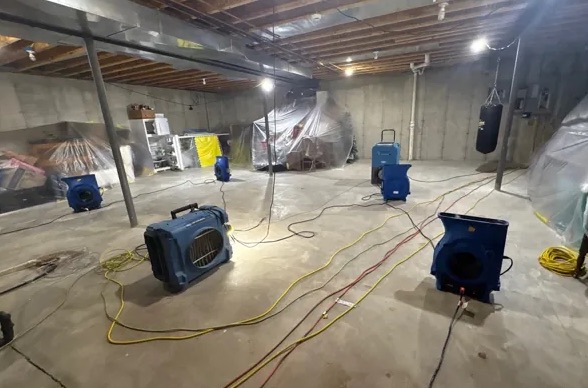
Basement Water Removal in Gifford runs from basement water pump out and basement drying services to basement dehumidification.
Answered 24/7
Professional Basement Water Removal in Gifford, FL
A basement that looks dry a day after a flood in Gifford can still hold a lot of water in the slab, the bottom of the walls and under flooring. That hidden water causes the musty smell many basements have.
Basements are uncommon in Gifford. The same extraction and drying steps apply to slab-level rooms, sunken dens and garages that take on water.
A single storm or burst pipe in Gifford can flood a basement. Local basement drying experts serve Gifford and nearby Vero Beach, Winter Beach and Indian River Shores, with help available around the clock.
Comprehensive Basement Water Removal Solutions
Basement Moisture Inspection
Moisture meters and thermal cameras check walls, floors and the slab for water that is not visible, including behind finished walls.
Basement Wall Drying
Opening the bottom of finished walls lets air reach the studs and sill plate, which otherwise stay wet behind the drywall.
Basement Drying Services
Equipment stays until the basement reads dry, not just until it looks dry. Removing it early lets dampness return.
Basement Floor Water Damage
Concrete floors are squeegeed, extracted and dried with airflow and dehumidifiers until moisture readings drop.
Basement Dehumidification
Dehumidifiers run continuously during drying, and their output is checked to track how much water is still coming out of the materials.
Signs of Basement Water Damage in Gifford
Soggy or Wet Carpeting
Carpet that feels damp or smells sour is holding water in the pad against the concrete.
Water Stains on Walls or Ceiling
Stains on lower walls or the ceiling below a bathroom or kitchen point to a leak.
Wet or Damp Basement Walls
Basement walls that look dark, feel damp or show tide lines are taking on or holding water.
Standing Water in Basement
Standing water anywhere on the basement floor needs to be pumped out before it soaks the walls.
How Basement Water Removal Works in Gifford
Step 1: Emergency Water Extraction
Power is made safe, then pumps and extractors remove standing water from the basement floor.
Step 2: Detailed Moisture Inspection
Meters map wet walls, framing and slab areas, including behind finished walls and under flooring.
Step 3: Drying and Dehumidification
Air movers and large dehumidifiers run continuously, with readings checked every day.
Step 4: Final Verification and Monitoring
Readings are compared to dry areas, and equipment is removed only when the basement tests dry.
What Causes Water Damage in Basements
Plumbing Leaks or Pipe Bursts
Supply lines, drain pipes and water heaters in the basement can leak or burst onto the floor.
Heavy Rainfall and Storm Flooding
Heavy rain saturates the soil and pushes water through walls, cracks and the floor joint.
Clogged or Damaged Gutters
Clogged gutters and short downspouts dump roof water right next to the foundation.
Window Well Leaks and Drainage
Window wells without drains or covers fill with rain and leak through the windows.
Basement Water Removal for Homes and Businesses
Residential Basement Water Removal
Older homes with a basement may see seepage with every heavy storm. Water removal handles the current damage, and the entry point is noted for a waterproofing contractor.
Commercial Basement Water Removal
Multi-unit buildings with shared basements need each storage and laundry area pumped, dried and documented for the property manager.
When to Hire Local Pros for Basement Water Removal
Do not step into basement water if cords, outlets or appliances are in it. Shut off power at the panel only if you can reach it from a dry spot, then call (772) 758-7923.
Understanding Basement Water Removal Pricing
The cost of basement water removal in Gifford depends on how deep the water is, what type of water it is and how much finished material has to come out.
Drying Time Required
Basements dry slowly, and each extra day of equipment adds to the total.
Access and Complexity
Narrow stairs, low ceilings and crowded storage areas make the work slower and longer.
Contamination Level
Sewage or dirty water needs protective gear, removal and disinfection, which costs more.
Does Insurance Cover Basement Water Removal?
Flooding from outside water usually needs separate flood insurance. Water from a broken pipe or appliance inside is more often covered.
Why Gifford Homeowners Trust Local Pros for Basement Water Removal
Contamination Safety Protocols
Sewage and dirty water are handled with protective gear, containment and disinfection.
Focus on Drying Outcomes
Drying continues until readings are normal, not just until surfaces look dry.
Post-Service Moisture Verification
Final readings are recorded before equipment leaves, so you know the basement is dry.
Emergency Basement Water Removal Available 24/7
If water is near outlets, the furnace or the electrical panel, stay out of it. Call (772) 758-7923 for help in Gifford and wait for power to be made safe.
Call Now (772) 758-7923Local Basement Water Removal Coverage for Vero Beach, Winter Beach and Indian River Shores
Besides Gifford, local basement drying experts handle basement pump-outs, wall drying and dehumidification in nearby Vero Beach, Winter Beach and Indian River Shores.
- Basement Water Removal in Vero Beach
- Basement Water Removal in Winter Beach
- Basement Water Removal in Indian River Shores
- Basement Water Removal in Vero Beach South
- Basement Water Removal in Wabasso
- Basement Water Removal in Orchid
- Basement Water Removal in Florida Ridge
- Basement Water Removal in Sebastian
Common Basement Water Removal Questions Answered
What equipment is used for basement water extraction?
Submersible pumps, extractors, wet vacs, air movers, large dehumidifiers and moisture meters to confirm drying.
What should I do right after basement flooding?
Make power safe, avoid sewage, move belongings above the water, take photos and call for water removal.
How long does basement drying take?
Often several days or longer, because concrete and cool basement air hold moisture. Daily readings show when it is done.
Why is basement dehumidification important after pumping?
Walls and concrete keep releasing moisture for days. Dehumidifiers remove it so the basement does not stay damp.
What happens during basement moisture control?
Dehumidifiers and air movers keep humidity low while materials dry, and readings confirm when the space is normal.