Fort Pierce, FL · Saint Lucie County
Basement Water Damage Restoration in Fort Pierce, FLEmergency Basement Flood Cleanup & Basement Dehumidification
Basement Water Damage Restoration in Fort Pierce runs from basement water extraction and basement floor water removal to basement dehumidification.
Answered 24/7
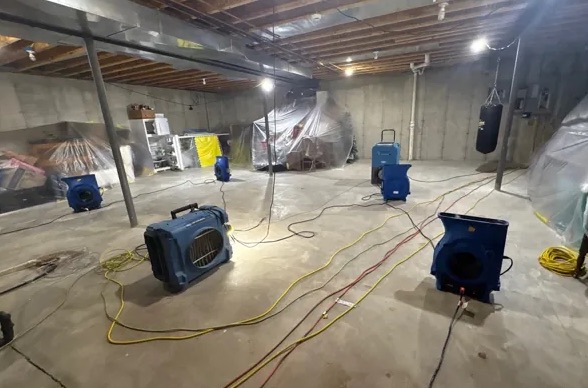
Professional Basement Water Damage Restoration in Fort Pierce, FL
Water in a basement does not stay on the floor. It wicks up drywall, soaks insulation and seeps into wood framing. In Fort Pierce, a few inches of water can damage walls up to two feet high.
Basements are uncommon in Fort Pierce. The same extraction and drying steps apply to slab-level rooms, sunken dens and garages that take on water.
One burst pipe or heavy storm in Fort Pierce can flood a basement. Local water removal pros serve Fort Pierce and nearby Fort Pierce North, White City and Indian River Estates, with help available around the clock.
Basement Water Damage Restoration Solutions Available in Fort Pierce
Emergency Basement Flood Cleanup
Emergency cleanup starts with stopping the source where possible, checking for electrical hazards and pumping out the water.
Basement Dehumidification
A basement with no moisture problem before the flood may still need a dehumidifier afterward while the concrete dries.
Basement Sewer Backup Cleanup
After a sewer backup, cleanup and disinfection come before drying, so contaminated surfaces are not left in place.
Basement Wall Drying
Concrete and block walls are dried with directed airflow and dehumidifiers, and checked with meters until readings drop.
Basement Mold Prevention
After drying, an antimicrobial can be applied to framing and concrete that were wet, to slow mold on surfaces that stay in place.
When to Consider Basement Water Damage Restoration for Your Fort Pierce Home
Mold on Surfaces
Dark spots on drywall, framing or stored boxes mean the area has stayed wet for days.
Wet or Stained Basement Walls
Dark, wet patches or tide lines on basement walls show where water seeped in or wicked up.
Damp or Musty Odors
A damp, earthy or musty smell in the basement often means hidden moisture in walls, carpet or the slab.
Rusted Appliances or Pipes
Rust on the water heater, furnace base or pipes points to repeated moisture or past flooding.
How Basement Water Damage Restoration Works in Fort Pierce
Step 1: Source Control and Extraction
The pipe is shut off, the sump restarted or the backup stopped, then the water is pumped out.
Step 2: Structural Drying Setup
Lower drywall is removed where soaked, and equipment is placed to dry wall cavities and the slab.
Step 3: Contaminant Removal
Materials touched by sewage or dirty water are removed and hard surfaces are cleaned and disinfected.
Step 4: Monitoring and Completion
Daily readings track drying until every material is normal, then equipment is removed.
What Causes Basement Water Damage Restoration in Fort Pierce
Failed or Clogged Drain Tile
Clogged or collapsed drain tile around the foundation lets water build up against the walls.
Plumbing Pipe Bursts or Leaks
Supply lines and drain pipes in basement ceilings can crack or burst onto the floor below.
Faulty Basement Waterproofing
Old or failed waterproofing on foundation walls lets water through during wet weather.
Stormwater Runoff Into Lower Levels
Heavy rain running off hard ground or a sloped yard can pour down stairwells and under doors into below-grade rooms.
Home and Business Basement Water Damage Restoration in Fort Pierce
Residential Basement Water Damage Restoration
A sewer backup in a home basement needs contaminated carpet, pad and drywall removed and every hard surface disinfected before drying.
Commercial Basement Water Damage Restoration
In restaurants and stores with basements, sewage backups need fast containment so contamination does not reach food or customer areas.
Basement Water Damage Restoration: Professional Help vs. Doing It Yourself in Fort Pierce
Keeping gutters and downspouts clear and checking water heater and washer hoses are good DIY steps before storm season. Once water is on the floor, call (772) 758-7923.
What Influences Basement Water Damage Restoration Cost in Fort Pierce
A basement pumped and dried right away in Fort Pierce usually costs less than one left wet for days, when more drywall and flooring are lost.
Dehumidification Needs
Large dehumidifiers may need to run longer in below-grade spaces than in upper floors.
Access Complexity
Narrow stairs, low ceilings and stored contents can make the work slower.
Water Category
Clean water costs less to handle than sewage, which needs protective gear, removal and disinfection.
Does Insurance Cover Basement Water Damage Restoration?
Photos, moisture readings and drying logs from local water removal pros help support an insurance claim for basement water damage in Fort Pierce.
Why Choose Local Pros for Basement Water Damage Restoration in Fort Pierce
Containment Strategies
Plastic sheeting keeps contaminated areas separate from clean parts of the house.
Advanced Moisture Detection
Moisture meters and thermal cameras find water in walls and slabs that looks dry.
Industrial-Grade Equipment
Pumps, extractors and large dehumidifiers remove water much faster than household wet vacs and fans.
Emergency Basement Water Damage Restoration Available in Fort Pierce
Water rising in your basement in Fort Pierce? Shut off power to the basement if it is safe, move what you can and call (772) 758-7923. Help is available 24/7.
Call Now (772) 758-7923Regions Served for Basement Water Damage Restoration Near Fort Pierce
Besides Fort Pierce, the pros handle basement pumping, drying and dehumidification in nearby Fort Pierce North, White City and Indian River Estates.
- Basement Water Damage Restoration in Fort Pierce North
- Basement Water Damage Restoration in White City
- Basement Water Damage Restoration in Indian River Estates
- Basement Water Damage Restoration in Lakewood Park
- Basement Water Damage Restoration in River Park
- Basement Water Damage Restoration in Florida Ridge
- Basement Water Damage Restoration in Vero Beach South
- Basement Water Damage Restoration in Vero Beach
- Emergency Damage Restoration in 34945
- Storm Damage Restoration in 34945
- Water Damage Restoration in 34945
- Water Extraction Service in 34945
- Water Leak Detection in 34945
- Water Removal Service in 34945
- Emergency Damage Restoration in 34946
- Storm Damage Restoration in 34946
Your Basement Water Damage Restoration Questions Addressed
How long does below-grade drying take after a flood?
Often several days or longer, since concrete and cool basement air dry slowly. Daily readings show progress.
What health risks come with delayed basement flood cleanup?
Standing water and wet materials can support bacteria and microbial growth, and sewage carries contaminants that need disinfection.
Why is dehumidification so important after basement water removal?
Basements hold moisture in the air and concrete. Without dehumidifiers, walls and framing stay damp long after the water is gone.
Does basement mold prevention need special steps after flooding?
Fast drying is the main step. Wood and concrete that stayed wet can be treated with an antimicrobial once dry.
What does below-grade moisture removal include beyond pumping?
Extracting carpet and pad, opening wet walls, running air movers and dehumidifiers, and checking readings until dry.