Stacey Street, FL · Palm Beach County
Attic Water Removal in Stacey Street, FLWet Attic Insulation Removal & Attic Mold Prevention
For a storm leak, Attic Water Removal in Stacey Street means emergency attic water extraction, roof leak water removal and attic moisture inspection.
Answered 24/7
Reliable Attic Water Removal Near Stacey Street
After a storm in Stacey Street, water can enter an attic through damaged shingles, vents or holes from debris. Fast removal protects the ceiling and the rooms underneath.
A heavy storm in Stacey Street can push water into an attic overnight. Local water damage restoration experts serve Stacey Street and nearby Plantation Mobile Home Park, Haverhill and Lake Belvedere Estates, with help available around the clock.
Specialized Attic Water Removal for Stacey Street
Wet Attic Insulation Removal
Fiberglass batts are lifted out by hand, while wet blown-in insulation is vacuumed with a high-powered insulation vacuum.
Attic Mold Prevention
Fast drying is the main protection. Antimicrobial treatment is added only where framing and decking stayed wet long enough to need it.
Attic Moisture Inspection
The inspection shows the full spread of the leak, so every wet area is either dried or removed.
Attic Leak Water Cleanup
Cleanup focuses on the low spots where water collects: the bays between joists, the area around the hatch and the space under an air handler.
Roof Leak Water Removal
Rainwater from a roof leak is removed from the attic, and the wet path along the decking is followed back to where it entered.
Warning Signs You Need Attic Water Removal
Peeling Paint on Ceilings or Walls
Paint that peels or blisters on upstairs ceilings and walls often has water behind it.
Rotting Wood on Attic Beams
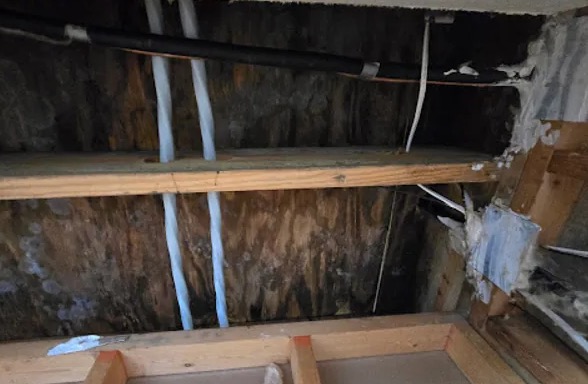
Soft, dark or crumbling wood on rafters and beams points to long-term moisture.
Water Dripping From Light Fixtures
Water dripping from a ceiling light or fan means an active leak above. Turn off that circuit.
Musty Odors in Your Home
A musty smell upstairs or at the attic hatch often points to wet insulation or damp wood above.
How Attic Water Removal Works in Stacey Street
Step 1: Attic Flood Cleanup Response
Active drips are contained with buckets and plastic, and the room below is protected.
Step 2: Targeted Attic Moisture Removal
Water is vacuumed from between joists and on top of drywall, starting where it is deepest.
Step 3: Attic Dehumidification
Dehumidifiers pull moisture from the attic air while air movers dry the wet framing.
Step 4: Documentation for Restoration
Photos and moisture readings are compiled to show what was removed and when the attic dried.
Typical Sources of Attic Water Damage
Flashing Failures Around Roof Penetrations
Failed flashing around vents, chimneys and skylights lets rain run into the attic.
Condensation From Poor Attic Ventilation
Moist air from the house condenses on roof decking when attic ventilation is poor.
Overflow From Clogged Bathroom Exhaust Ducts
Bathroom fan ducts that are loose or vented into the attic release moisture onto the wood.
Roof Leaks From Damaged Shingles
Cracked, missing or lifted shingles let rain reach the decking and drip into the attic.
Attic Water Removal for All Property Types in Stacey Street
Residential Attic Water Removal
Homeowners with stored items in the attic need those moved out first. Wet boxes are dried or discarded before the attic floor is cleaned and dried.
Commercial Attic Water Removal
Offices and stores need the space below protected while attic work is under way. Drying is planned around business hours where possible.
The Risks of DIY Attic Water Removal in Stacey Street
If you can do it safely, look into the attic with a flashlight to find the wet area. Removing soaked insulation and drying the framing needs boards, protective gear and equipment.
Factors Influencing Attic Water Removal Cost
In Stacey Street, the biggest costs in attic jobs are usually insulation removal, drying equipment days and ceiling repair in the room below.
Water Contamination Level
Clean rainwater is simpler to handle than water from a drain line or other dirty source.
Type of Insulation Affected
Blown-in insulation takes more time to remove than batts, and both add disposal costs.
Extent of Water Damage
A leak confined to one bay costs less than water spread across the attic and the rooms below.
Does Insurance Cover Attic Water Removal?
Photos, moisture readings and drying logs from local water damage restoration experts help support an insurance claim for attic water damage in Stacey Street.
Selecting Local Pros in Stacey Street for Attic Water Removal
Advanced Moisture Detection
Moisture meters and thermal cameras find wet wood and insulation that look dry.
Industry Drying Standards
Drying follows industry water damage standards, with moisture readings taken at every visit.
Post-Cleanup Verification
Final readings confirm the attic is dry before new insulation goes in.
24-Hour Emergency Attic Water Removal Near Stacey Street
Ceiling sagging under the weight of water? Keep people out of the room below and call (772) 758-7923 now for attic water removal in Stacey Street.
Call Now (772) 758-7923Communities Served for Attic Water Removal
Attic water removal and drying also cover homes and buildings in Plantation Mobile Home Park, Haverhill and Lake Belvedere Estates, close to Stacey Street, day or night.
- Attic Water Removal in Plantation Mobile Home Park
- Attic Water Removal in Haverhill
- Attic Water Removal in Lake Belvedere Estates
- Attic Water Removal in Century Village
- Attic Water Removal in Schall Circle
- Attic Water Removal in Cypress Lakes
- Attic Water Removal in West Palm Beach
- Attic Water Removal in Gun Club Estates
Frequently Asked Questions About Attic Water Removal
How can mold be prevented after attic water removal?
By drying wood quickly, fixing ventilation problems and treating framing that stayed wet with an antimicrobial.
Why is emergency attic drying important?
Wet wood and drywall break down quickly. Drying fast saves more of the ceiling and lowers the risk of microbial growth.
What is involved in attic water removal?
Stopping the source, removing pooled water, bagging wet insulation, drying the framing and decking, and checking the ceiling below.
How do professionals dry an attic?
With air movers and dehumidifiers placed on boards across the joists, checking moisture readings daily until the wood is dry.
Do I need ceiling water damage cleanup too?
Usually. Water in the attic soaks the ceiling below, which needs to be checked and dried or replaced.