Buckhead Ridge, FL · Glades County
Attic Water Removal in Buckhead Ridge, FLEmergency Attic Water Extraction & Attic Drying Services
Homeowners in Buckhead Ridge get Attic Water Removal for emergency attic water extraction, attic moisture inspection and attic drying services.
Answered 24/7
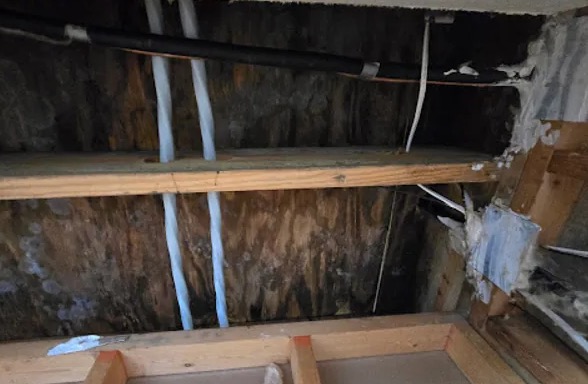
Expert Attic Water Removal for Buckhead Ridge
In Buckhead Ridge, the most common attic water sources are roof leaks, attic AC units and plumbing that runs through the attic. Each one needs to be stopped before drying can work.
A heavy storm in Buckhead Ridge can push water into an attic overnight. Local attic water removal pros serve Buckhead Ridge and nearby Taylor Creek, Okeechobee and Cypress Quarters, with help available around the clock.
Specialized Attic Water Removal for Buckhead Ridge
Emergency Attic Water Extraction
Water sitting on top of ceiling drywall adds weight fast. Removing it quickly can mean the difference between drying a ceiling and replacing it.
Attic Drying Services
Air movers and dehumidifiers are placed on boards across the joists so they can run safely without stressing the drywall.
Attic Moisture Inspection
The inspection shows the full spread of the leak, so every wet area is either dried or removed.
Attic Leak Water Cleanup
Water-stained debris, wet cardboard and soaked stored items are cleared out so the attic floor can be dried.
Wet Attic Insulation Removal
Only the wet sections come out. The edges of the wet area are checked with a meter so dry insulation is not removed by mistake.
Indicators of Attic Water Damage in Buckhead Ridge
Increased Indoor Humidity Levels
Upstairs rooms that feel sticky or humid may have moisture coming down from the attic.
Condensation on Attic Windows or Nails
Damp nail tips or water droplets on attic surfaces point to moisture or ventilation problems.
Peeling Paint on Ceilings or Walls
Paint that peels or blisters on upstairs ceilings and walls often has water behind it.
Wet or Damp Attic Insulation
Insulation that feels damp, looks dark or has packed down in one area has absorbed water.
How Attic Water Removal Works in Buckhead Ridge
Step 1: Source Control and Water Removal
The roof is tarped or the line shut off, and pooled water is removed from the attic floor.
Step 2: Wet Attic Cleanup and Debris Removal
Soaked insulation, wet debris and stored items are cleared so the wood and drywall can dry.
Step 3: Structural Drying and Dehumidification
Air movers and dehumidifiers are set on boards in the attic and run until readings drop.
Step 4: Final Attic Moisture Check
Decking, rafters and the ceiling below are tested to confirm they are dry before repairs.
Typical Sources of Attic Water Damage
Clogged or Disconnected Gutters
Clogged or loose gutters let water back up under the roof edge and into the soffits.
Appliance Malfunctions Like Water Heater Leaks
Water heaters located in the attic can leak or fail, flooding the attic floor.
Overflow From Clogged Bathroom Exhaust Ducts
Bathroom fan ducts that are loose or vented into the attic release moisture onto the wood.
Burst or Leaking Plumbing Pipes
Supply lines and drain pipes in the attic can crack or burst onto the ceiling.
Attic Water Removal for All Property Types in Buckhead Ridge
Residential Attic Water Removal
In townhomes and condos, a shared attic can carry water into a neighbor's ceiling. Clear photos and readings help sort out repairs with the association.
Commercial Attic Water Removal
Property managers get records for each affected suite or unit, which helps with roof repair planning and insurance claims.
Attic Water Removal vs. DIY: When to Call the Pros
If you can do it safely, look into the attic with a flashlight to find the wet area. Removing soaked insulation and drying the framing needs boards, protective gear and equipment.
What Affects Attic Water Removal Cost in Buckhead Ridge
In Buckhead Ridge, the biggest costs in attic jobs are usually insulation removal, drying equipment days and ceiling repair in the room below.
Type of Insulation Affected
Blown-in insulation takes more time to remove than batts, and both add disposal costs.
Access and Attic Complexity
Low headroom and small access hatches make attic work slower than open spaces.
Secondary Damage Repairs
Ceiling drywall replacement and paint in the room below add to the total.
Does Insurance Cover Attic Water Removal?
Ceiling damage in the rooms below is usually part of the same attic claim. Make sure the adjuster sees both spaces.
Selecting Local Pros in Buckhead Ridge for Attic Water Removal
Structural Drying Focus
Rafters, decking and the ceiling are dried, not just the spot under the drip.
Dehumidification Equipment
Dehumidifiers sized for the attic remove moisture much faster than roof vents and open hatches alone.
Mold Inhibitor Application
Wood that stayed wet can be treated with an antimicrobial after it is dried.
24/7 Attic Water Removal Response in Buckhead Ridge
Water in an attic reaches the ceiling below fast. Call (772) 758-7923 for attic water removal in Buckhead Ridge at any hour, including storms and holidays.
Call Now (772) 758-7923Communities Served for Attic Water Removal
Each place listed below has its own page with local details.
Common Attic Water Removal Queries Answered
How long does attic drying take?
Often several days, depending on how wet the wood is, the attic temperature and how much insulation was removed.
Will attic water damage cause mold?
It can if wood and insulation stay wet for days. Fast removal and drying are the main ways to prevent mold.
How can mold be prevented after attic water removal?
By drying wood quickly, fixing ventilation problems and treating framing that stayed wet with an antimicrobial.
What is an attic moisture inspection?
A check of rafters, decking, insulation and the ceiling below with moisture meters and thermal cameras to find all wet areas.
How quickly should I deal with water in my attic?
Right away. Water on top of ceiling drywall soaks in and adds weight, and the ceiling can sag or fall within a day.