Taylor Creek, FL · Okeechobee County
Attic Water Damage Restoration in Taylor Creek, FLRoof Leak Water Removal & Attic Drying Services
Attic Water Damage Restoration in Taylor Creek includes roof leak water removal, ceiling water damage cleanup and attic moisture inspection.
Answered 24/7
Attic Water Damage Restoration Solutions in Taylor Creek
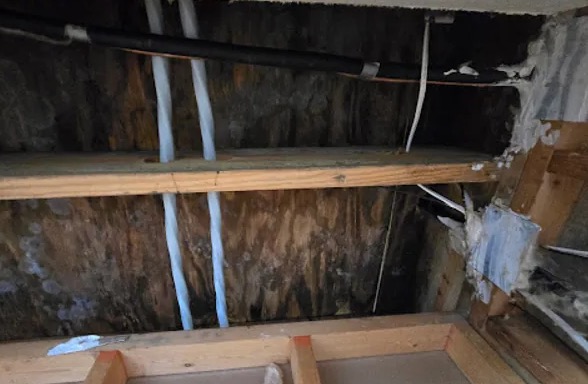
Attics hide water well. Insulation absorbs it, wood soaks it up, and nobody goes up there often. In Taylor Creek, the first sign is usually a ceiling stain, a musty smell upstairs or a drip during heavy rain.
Homeowners in Taylor Creek can call (772) 758-7923 day or night when water is dripping from the ceiling. Service also covers Cypress Quarters, Okeechobee and Whispering Pines, with the same attic inspection and drying process.
Available Attic Water Damage Restoration Work in Taylor Creek
Roof Leak Water Removal
A roof leak often drips in one spot but spreads along rafters and decking. The pros follow the water path to find every wet area.
Attic Drying Services
Attic drying targets the wood framing and the ceiling below, with readings taken until both return to normal levels.
Attic Mold Prevention
After drying, an antimicrobial can be applied to roof decking and framing that were wet, to slow mold on surfaces that stay in place.
Attic Moisture Inspection
Readings are recorded before and during drying, giving you and your insurer a clear record of the attic damage.
Emergency Attic Water Extraction
Emergency extraction in an attic removes standing water from decking and drywall tops, and buckets or containment catch active drips.
Do You Need Attic Water Damage Restoration in Taylor Creek?
High Energy Bills
Wet insulation loses its insulating value, so heating and cooling bills can rise after a leak.
Crumbling Drywall Tape
Ceiling drywall tape that bubbles, cracks or peels usually means water is soaking the seams.
Active Leak During Rain
Water dripping into the attic during rain shows an active roof leak that needs fixing and drying.
Peeling Paint or Wallpaper
Paint that bubbles or peels on upstairs ceilings and walls often has water behind it.
How Attic Water Damage Restoration Works in Taylor Creek
Step 1: Emergency Attic Water Extraction
Active drips are caught, pooled water is removed from decking and drywall tops, and power to wet fixtures is checked.
Step 2: Attic Moisture Inspection and Mapping
Meters and thermal cameras map wet insulation, wood and ceiling drywall from the leak point outward.
Step 3: Structural Drying and Dehumidification
Air movers and dehumidifiers dry rafters, joists and decking, with equipment set on safe footing.
Step 4: Final Verification and Documentation
Readings confirm the attic and ceiling are dry, and photos and logs are provided for insurance.
Why Attics Get Water Damage in Taylor Creek
Overflow From Bathroom Exhaust Fans
Bathroom fans that vent into the attic, or have disconnected ducts, release moisture onto the decking.
Improperly Sealed Roof Penetrations
Gaps around vents, pipes and antennas that pass through the roof let water in when seals fail.
Burst or Leaking Plumbing Pipes
Supply lines and water heaters in the attic can leak or burst directly onto the ceiling.
Clogged or Damaged Gutters
Clogged gutters overflow at the roof edge, pushing water under shingles and into the soffits.
Home and Business Attic Water Damage Restoration Services
Residential Attic Water Damage Restoration
At home, attic leaks usually show up as a stain on a bedroom or hallway ceiling. The attic is dried, wet insulation removed and the ceiling below repaired or dried in place.
Commercial Attic Water Damage Restoration
In commercial buildings, water above a drop ceiling can soak tiles, wiring and insulation across several rooms. Affected tiles are removed and the space above them is dried.
Professional Attic Water Damage Restoration or DIY Repair?
You can check the attic with a flashlight for wet insulation and dripping water if it is safe to do so. Removing soaked insulation and drying the framing takes equipment, protection and safe footing.
Factors Affecting Attic Water Damage Restoration Cost in Taylor Creek
In Taylor Creek, insulation removal and ceiling repair often make up a large share of the bill, along with drying equipment days in the attic.
Extent of Water Intrusion
A small leak at one spot costs less to dry than water spread across the attic and the rooms below.
Required Drying Time
Dense wood framing can take several days to dry, adding equipment time.
Mold Prevention Measures
Antimicrobial treatment of decking and rafters that stayed wet is an added cost.
Does Insurance Cover Attic Water Damage Restoration?
Take photos of the ceiling, the attic and any storm damage on the roof before cleanup starts. Keep receipts for tarping and emergency drying.
Benefits of Local Pros for Attic Water Damage Restoration in Taylor Creek
Detailed Documentation
Photos, readings and drying logs are kept to support your insurance claim.
Roof Leak Location
The leak point is marked and photographed so the roofer can fix the right spot.
Mold Prevention Focus
Fast drying of wood framing is the main way to limit microbial growth after a leak.
Urgent Attic Water Damage Restoration Help Day or Night
Ceiling bulging or sagging? Keep everyone out of the room below it and call (772) 758-7923 now for attic water damage restoration in Taylor Creek.
Call Now (772) 758-7923Local Attic Water Damage Restoration Coverage Area
Other places served are listed below, each with its own page.
- Attic Water Damage Restoration in Cypress Quarters
- Attic Water Damage Restoration in Okeechobee
- Attic Water Damage Restoration in Whispering Pines
- Attic Water Damage Restoration in Buckhead Ridge
- Attic Water Damage Restoration in Indiantown
- Attic Water Damage Restoration in Tequesta
- Attic Water Damage Restoration in Gifford
- Attic Water Damage Restoration in Jupiter Farms
Attic Water Damage Restoration FAQs
How is attic water damage documented?
With photos of the leak point and damage, moisture readings, a list of removed materials and daily drying logs.
What is involved in emergency attic water extraction?
Catching active drips, removing pooled water from decking and drywall tops, and starting drying before the ceiling below is ruined.
What is structural drying for an attic?
Drying the rafters, joists and roof decking with directed airflow and dehumidifiers until moisture readings return to normal.
What equipment is used for attic water removal?
Wet vacs, air movers, dehumidifiers, moisture meters and thermal cameras, plus bags and HEPA vacuums for insulation removal.
How quickly should I respond to an attic leak?
Right away. Water on the attic floor soaks into the ceiling drywall within hours and can make it sag or fall.