Indiantown, FL · Martin County
AC Unit Water Removal in Indiantown, FLAC Leak Mold Prevention & AC Leak Water Extraction
AC Unit Water Removal in Indiantown runs from emergency AC water removal and AC leak water cleanup to air conditioner restoration services.
Answered 24/7
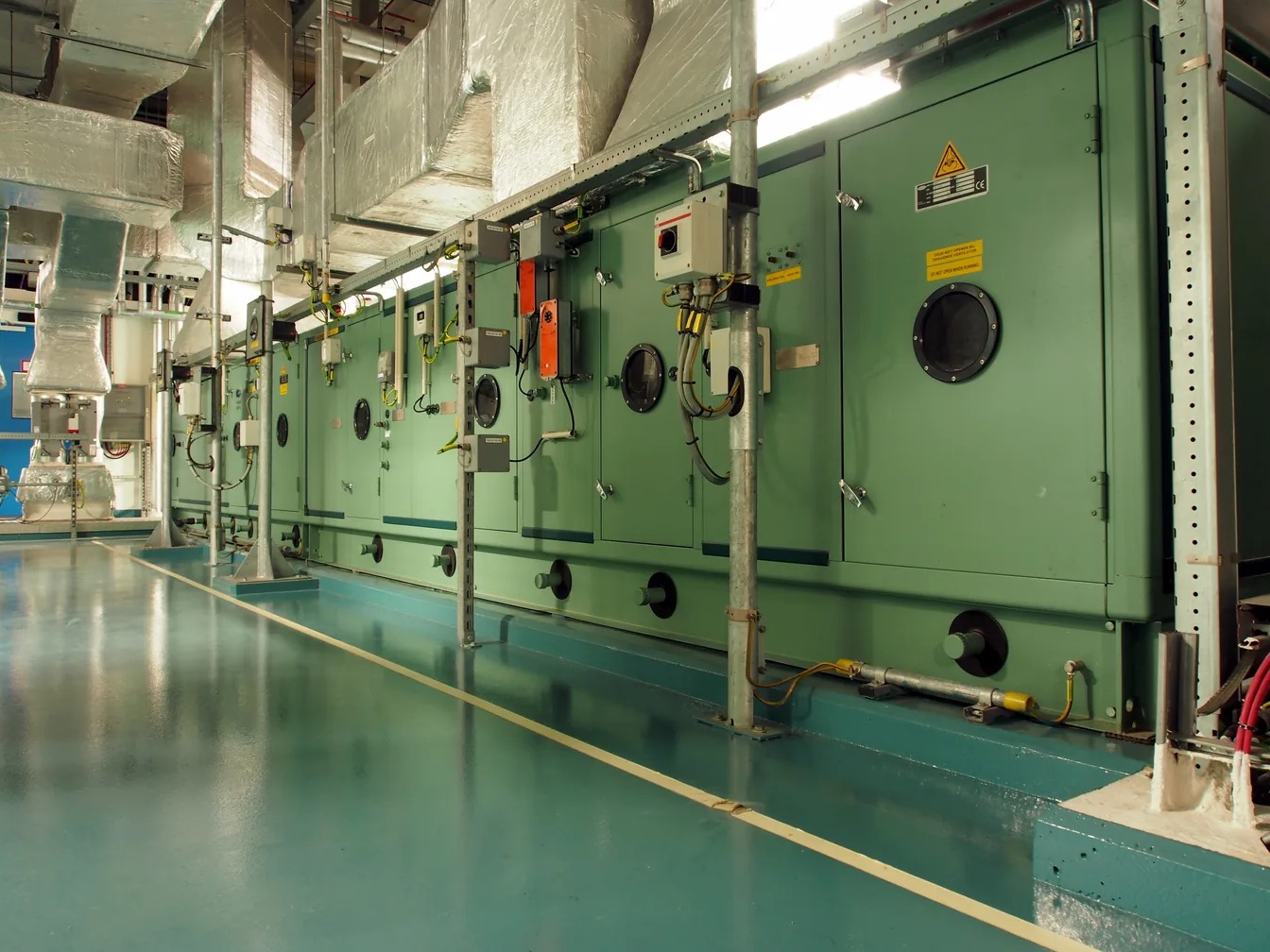
AC Unit Water Removal Near Indiantown: What to Expect
When water drips from a ceiling vent or pools around the furnace closet in Indiantown, the AC drain is the usual suspect. A clogged condensate line sends water back into the pan until it spills over.
Homes in Indiantown and nearby Palm City, Canal Point and Stuart run air conditioning for much of the year, so clogged condensate lines and full drain pans are common. Local water extraction experts remove the water, clear the drain and dry the ceilings, walls and floors the leak reached.
Comprehensive AC Unit Water Removal Solutions in Indiantown
AC Leak Mold Prevention
Once materials are dry, an EPA-registered antimicrobial can be applied to wet wood and drywall near the unit to slow microbial growth.
AC Leak Water Extraction
Water is removed from every wet surface the leak reached, including closets and rooms below an attic air handler.
AC Condensate Drain Clearing
Clearing the line stops the overflow at its source. Without it, the pan refills and the leak returns within days.
AC Leak Water Cleanup
Cleanup starts at the drain pan and works outward, removing pooled water and wet debris so drying can begin.
Wet AC Unit Component Drying
Air movers and a dehumidifier are set around the unit, and moisture readings are taken until the metal and insulation test dry.
Signs of AC Water Damage Requiring Removal
Water on the Floor
A puddle around the air handler or furnace closet is the most direct sign of a leak.
Water Stains on Walls
Brown rings or peeling paint on the ceiling under an attic unit, or on walls near the closet, point to a slow leak.
AC Unit Circuit Breaker Trips
Water reaching electrical parts can trip the breaker. Shut the unit off and call before resetting it again.
Musty Odors From Vents
A musty smell when the AC starts often means standing water in the pan or wet insulation in the ducts.
How AC Unit Water Removal Works in Indiantown
Step 1: Leak Assessment
The pros find the source of the leak, check how far the water spread and take moisture readings.
Step 2: Source Stop and Water Removal
The drain is cleared or the leaking part isolated, then standing water is extracted from every wet area.
Step 3: System Drying and Dehumidification
Drying equipment runs until walls, floors and insulation test dry, with readings taken at each visit.
Step 4: Verification and Restoration
Final readings confirm the materials are dry, then damaged drywall, trim or ceiling panels can be replaced.
What Leads to AC Unit Water Removal Needs in Indiantown
Excess Outdoor Humidity
Very humid air makes the coil produce more water than a partly clogged drain can carry.
Disconnected Drain Line
A drain line knocked loose in the attic or closet empties condensate onto the ceiling or floor.
High Static Pressure in Ducts
Restricted ducts can pull water off the coil and blow it into the cabinet or ductwork.
Clogged AC Condensation Line
Algae and sludge build up in the drain line over a cooling season until water backs up into the pan.
Residential and Commercial AC Unit Water Removal in Indiantown
Residential AC Unit Water Removal
Attic air handlers in houses leak into bedroom and hallway ceilings. The pan is emptied, the ceiling checked with a meter and wet drywall dried or cut out before it sags.
Commercial AC Unit Water Removal
Commercial systems have larger pans and longer drain runs. Clearing the line and drying ceiling tiles and carpet keeps the space open and safe for staff and customers.
Why DIY AC Water Removal Often Fails in Indiantown
You can turn off the AC, empty the pan and towel up a puddle yourself. Moisture already inside drywall or subflooring is harder, because it takes meters to find and drying equipment to remove it.
Factors Influencing AC Unit Water Removal Cost in Indiantown
After-hours calls, the number of rooms affected, the drying time and any drywall or ceiling repairs all change the total for AC unit water removal in Indiantown.
Secondary Damage Presence
Wet ceilings, swollen baseboards or damp framing add removal and repair work to the job.
System Restoration Complexity
Replacing drywall, insulation or trim after drying adds material and labor to the total.
Affected Component Count
The more of the system that got wet, such as the blower, panels and insulation, the more drying time is needed.
Does Insurance Cover AC Unit Water Removal?
Coverage for AC unit water removal varies from policy to policy. The pros document the damage and the drying, but your insurer decides what is covered and what is not, so ask early in the claim.
Advantages of Hiring Local Pros in Indiantown for AC Unit Water Removal
Focus on Component Preservation
Wet blower motors and wiring are dried gently to lower the risk of corrosion and electrical faults.
Systematic Drain Line Clearing
The condensate line is cleared, not just the water mopped up, so the leak does not come right back.
Clear Process Communication
Each step is explained before work starts, so you know what is being removed and why.
24/7 Emergency AC Unit Water Removal in Indiantown
Do not wait for a stained ceiling to start sagging under the weight of the water. Call (772) 758-7923 now for AC unit water removal in Indiantown and get the drying started.
Call Now (772) 758-7923AC Unit Water Removal Available in Indiantown and Surrounding Towns
AC leak cleanup, drain clearing and drying also cover homes and businesses in Palm City, Canal Point and Stuart, close to Indiantown.
- AC Unit Water Removal in Palm City
- AC Unit Water Removal in Canal Point
- AC Unit Water Removal in Stuart
- AC Unit Water Removal in North River Shores
- AC Unit Water Removal in Jupiter Farms
- AC Unit Water Removal in Port Salerno
- AC Unit Water Removal in Rio
- AC Unit Water Removal in River Park
- Emergency Damage Restoration in 34956
- Storm Damage Restoration in 34956
- Water Damage Restoration in 34956
- Water Extraction Service in 34956
- Water Leak Detection in 34956
- Water Removal Service in 34956
Your AC Unit Water Removal Questions Addressed
Is air conditioner restoration separate from water removal?
Yes. Water removal and drying come first. Restoration covers repairs afterward, such as replacing drywall or ceiling panels.
What happens during AC water extraction?
Pumps and extractors remove water from the pan, floor and carpet, then moisture meters check walls and subfloor for hidden water.
What are signs I need water removed from around my air conditioner?
Puddles near the unit, ceiling stains, a musty smell, a full drain pan or an AC that shuts off on its own.
What happens if I ignore a drain pan overflow?
The leak keeps wetting the same materials, which can lead to rot, ceiling damage and microbial growth.
How does antimicrobial treatment help after an AC leak?
Once surfaces are dry, an antimicrobial can be applied to wood and drywall that stayed wet to slow microbial growth.