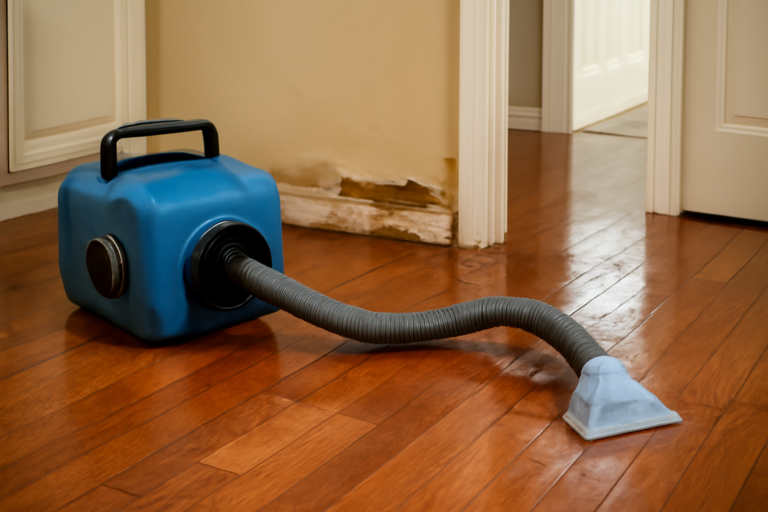
Floodwater Removal in Indiantown, FL: Protecting Your Home and Family
We live in an area where heavy rainfall and storm surges are a serious concern, especially during hurricane season. Indiantown, FL is no exception, with its low-lying areas and proximity to the Indian River Lagoon making it prone to flooding. When floodwaters rise, it’s crucial to act fast to prevent costly damage to your home and belongings. Our team of experts is here to guide you through the floodwater removal process, ensuring your property is safe and dry in no time. Whether it’s a sudden storm or a slow-moving leak, we’ve got the expertise and equipment to tackle any flood-related issue.
With over 165+ five-star reviews, homeowners in our area trust us to deliver top-notch service for floodwater removal. We’re local, we’re knowledgeable, and we’re committed to getting your life back to normal as quickly and safely as possible. From musty odors to water-stained walls, we’ll tackle every aspect of the process to leave your home looking and feeling like new.
- We’ll quickly identify the source of the floodwater and address it quickly.
- We use advanced equipment to extract water and dry out your property efficiently.
- We’ll inspect and restore your home’s systems, including plumbing, HVAC, and electrical, to ensure they’re working safely and effectively.
How Our Floodwater Removal Process Works
Our floodwater removal process is designed to be thorough, efficient, and safe. We take the time to assess the damage, identify the best course of action, and execute the plan with precision and care. Here’s a step-by-step breakdown of what you can expect:
Step 1: Assessment and Planning
Our technicians will evaluate the extent of the flood damage, identifying areas that need attention, and create a customized plan to address your specific needs. We’ll take note of any structural issues, water-damaged materials, and potential health hazards. Our goal is to provide you with a clear understanding of what to expect and how long the process will take.
Step 2: Water Extraction and Drying
Using specialized equipment, our team will extract as much water as possible from your home and surrounding areas. We’ll then use high-velocity fans, dehumidifiers, and specialized drying equipment to speed up the evaporation process and prevent further damage.
Step 3: Cleaning and Sanitizing
We’ll disinfect and deodorize all affected surfaces, ensuring your home is safe for you and your family to return to. Our technicians will also address any mold or mildew growth, removing it completely to prevent future problems.
Step 4: Restoration and Repair
Once the affected areas are dry and clean, our team will begin the restoration process. This includes repairing or replacing damaged materials, such as drywall, flooring, and cabinets. We’ll also inspect and restore your home’s systems, including plumbing, HVAC, and electrical, to ensure they’re working safely and effectively.
Step 5: Final Inspection and Cleanup
Our technicians will conduct a final inspection to ensure your home is safe and dry. We’ll also remove any remaining equipment, clean up the work area, and provide you with a comprehensive report and photos of the work completed.
Don’t let floodwater damage ruin your property and your peace of mind. Our team is here to help you navigate the floodwater removal process, ensuring your home is restored to its former glory. Contact us today for a free estimate and let’s get started!
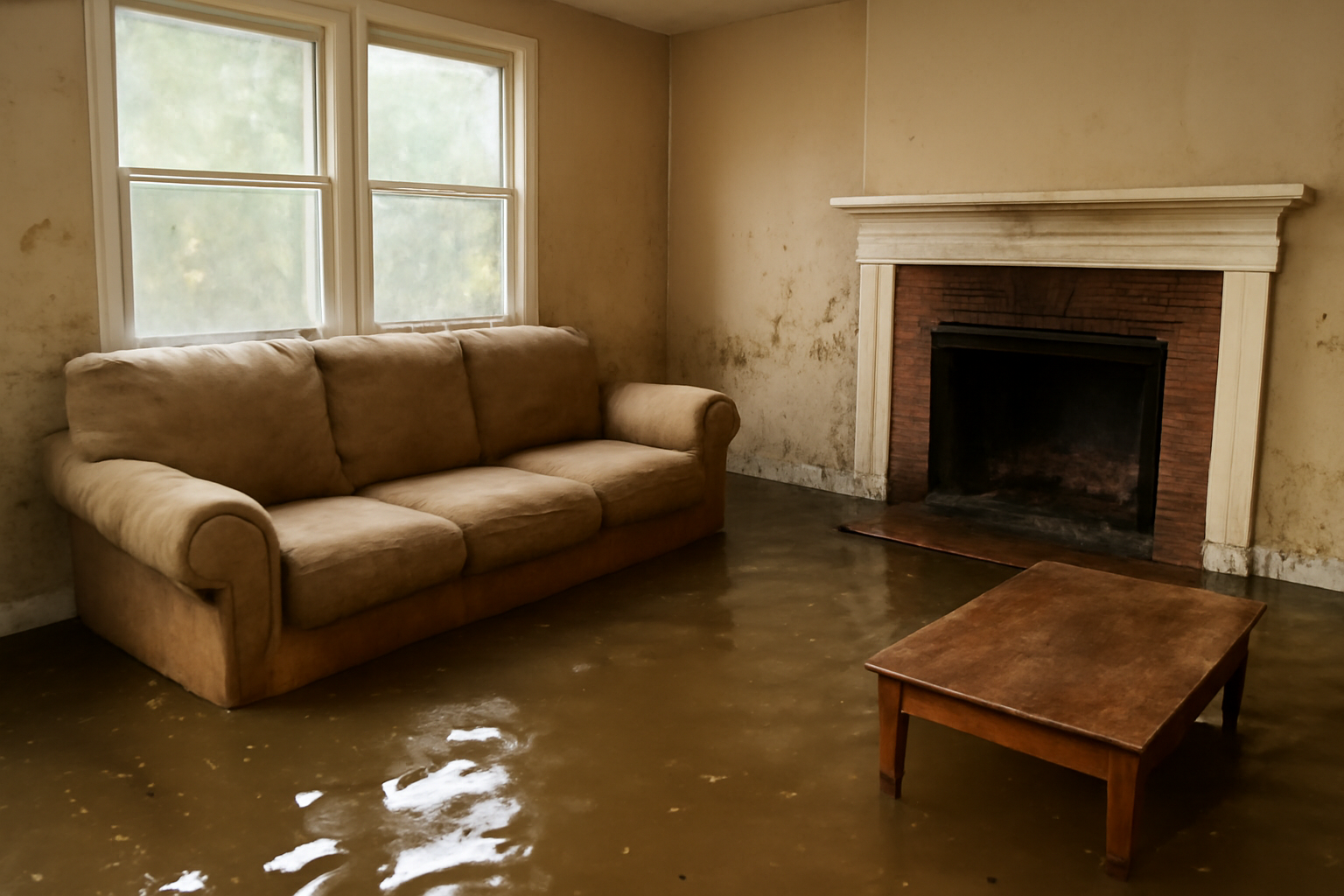
Warning Signs You Need Floodwater Removal
Don’t wait until it’s too late. Catching the warning signs early can save you thousands of dollars in repairs and prevent bigger problems down the line. Here are some common indicators that you need floodwater removal:
Musty Odors That Won’t Go Away
Strong, persistent odors can be a sign of mold or mildew growth. If you notice a musty smell that won’t disappear, even after airing out your home, it’s time to call in the professionals.
Water Stains on Walls and Ceilings
Discoloration or water marks on your walls and ceilings can be a sign of water damage. Don’t ignore these warning signs, they can lead to costly repairs and structural issues if left unchecked.
Warped or Buckled Floors
Floors that are warped, buckled, or sagging can be a sign of water damage. If you notice any of these issues, it’s essential to address them quickly to prevent further damage.
Increased Utility Bills
Unexpected spikes in your utility bills can be a sign of hidden water damage. If your bills are higher than usual, it may be a indication that your home is losing heat or cool air due to water leaks.
Mold or Mildew Growth
Mold or mildew growth can be a serious health hazard, especially for people with respiratory issues or weakened immune systems. If you notice any signs of mold or mildew, don’t hesitate to call in a professional for help.
Floodwater Removal vs. DIY: When To Call a Professional
| Situation | DIY? | Call a Pro? | Why |
|---|---|---|---|
| Small, contained water leak | Yes | No | DIY fixes can be quick and easy for small leaks. |
| Large, complex water damage | No | Yes | Complex water damage needs specialized equipment and expertise to ensure a safe and thorough cleanup. |
| Hidden water damage | No | Yes | Hidden water damage can be difficult to detect and needs professional equipment to identify and fix. |
| Water damage affecting electrical systems | No | Yes | Water damage to electrical systems can be hazardous and needs professional attention to ensure safety. |
| Black water or sewage backup | No | Yes | Black water or sewage backup needs specialized cleanup and disposal to prevent health risks. |
| Structural damage to walls or floors | No | Yes | Structural damage can compromise the integrity of your home and needs professional attention to ensure safety. |
Don’t gamble with your home’s safety and your family’s well-being. If you’re unsure about the severity of the water damage or the best course of action, it’s always best to err on the side of caution and call a professional for help.
Floodwater Removal Cost In Indiantown, FL
The cost of floodwater removal can vary depending on the severity of the damage, the size of the affected area, and local conditions in Indiantown, FL. These estimates are based on industry standards and may not reflect the actual costs of your specific situation. We’ll provide you with a detailed breakdown of the costs and a free estimate after assessing your property.
| Service | Typical Price Range | What Affects Cost |
|---|---|---|
| Water Extraction and Drying | $500 – $2,500 | The size of the affected area, the amount of water extracted, and the equipment used. |
| Cleaning and Sanitizing | $300 – $1,500 | The size of the affected area, the type of materials damaged, and the level of sanitizing required. |
| Restoration and Repair | $1,000 – $5,000 | The extent of the damage, the materials needed for repair or replacement, and the labor involved. |
| Final Inspection and Cleanup | $100 – $500 | The size of the affected area, the level of debris removal, and the time required for the final inspection. |
Keep in mind that these estimates are subject to change based on the specifics of your situation. We’ll provide you with a detailed breakdown of the costs and a free estimate after assessing your property.
Service Areas Near Indiantown, FL
We serve the following nearby communities:
Fort Pierce, Port St. Lucie, Jensen Beach, Stuart, Palm City, Hobe Sound, Tequesta, Jupiter, Lake Worth, Greenacres, Riviera Beach, Palm Beach Gardens, Royal Palm Beach, Wellington, Loxahatchee, Boynton Beach, Delray Beach, Boca Raton, Deerfield Beach, Pompano Beach, Oakland Park, Sunrise, Lauderhill, Davie, Hollywood, Fort Lauderdale.
Common Questions About Floodwater Removal
Q: How long does the floodwater removal process take?
A: The length of the process depends on the severity of the damage, the size of the affected area, and the level of restoration required. Our team will work efficiently to complete the job as quickly as possible while ensuring a thorough and safe cleanup.
Q: Will I need to vacate my home during the floodwater removal process?
A: In most cases, you can remain in your home during the floodwater removal process. But, in severe cases or when working with black water or sewage backup, it may be necessary to temporarily relocate to ensure your safety and the safety of our technicians.
Q: Is floodwater removal covered by my insurance policy?
A: It depends on your specific insurance policy and the circumstances surrounding the flood damage. Our team will work with you to find out the extent of your coverage and help you navigate the claims process.
Q: How do I prevent future floodwater damage?
A: Regular maintenance, proper drainage, and routine inspections can help prevent floodwater damage. Our team can provide you with tips and recommendations to help you protect your home and property.