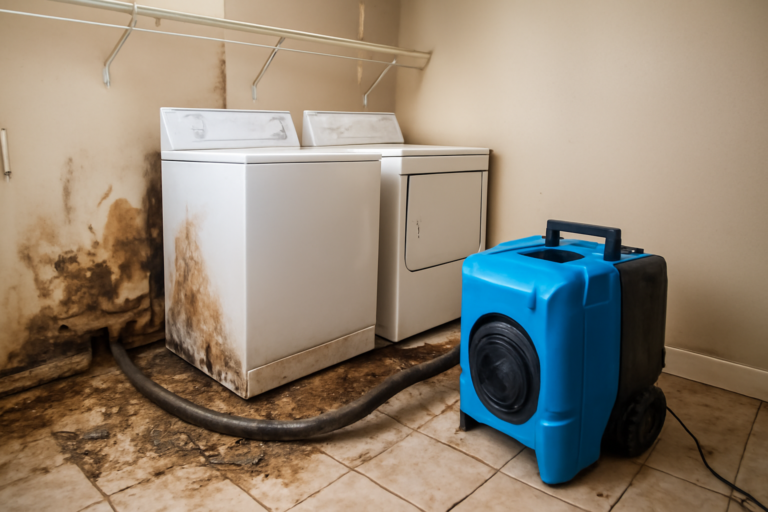
Hot Summer Days in Cloud Lake, FL: A Recipe for Water Heater Leaks
When Cloud Lake, FL temperatures soar above 90°F, your water heater is working overtime to keep your home cool and comfortable. But with the increased usage, there’s a higher risk of leaks. In fact, water heaters can leak up to 3 gallons of water per minute, causing significant damage to your property. You’re probably wondering how you can prevent this from happening. The good news is that a little prevention and education can go a long way in saving you from costly repairs and water damage.
With over 165+ five-star reviews, you can trust our team to provide top-notch Water Heater Leak Water Removal services in your neighborhood. Homeowners in the area choose us specifically for our expertise and commitment to customer satisfaction.
- Prevent water heater leaks by checking your unit’s temperature and pressure relief valve regularly. A faulty valve can cause your water heater to leak, so it’s essential to catch any issues before they become major problems.
- Consider installing a water heater leak detection system to alert you of potential leaks before they happen.
- Budget for regular water heater maintenance, which can include inspections, cleaning, and replacement of worn-out parts.
How Our Team Removes Water from Leaks
When a water heater leak occurs, it’s crucial to act quickly to prevent further damage. Our team’s process for Water Heater Leak Water Removal is designed to reduce downtime and get your home back to normal as soon as possible. We’ll work with you to ensure that every step is taken to prevent costly mistakes and ensure a thorough cleanup.
Step 1: Inspection and Assessment
Our technicians will carefully inspect your water heater and surrounding area to find out the extent of the damage. We’ll identify the source of the leak and develop a plan to remove the water and dry out the affected area. This step is crucial in preventing further damage and ensuring a successful restoration process. It’s also worth noting that our team has the IICRC certification to ensure we’re using the latest techniques and equipment.
Step 2: Water Removal and Extraction
Using state-of-the-art equipment, our team will extract as much water as possible from the affected area. We’ll work quickly to reduce the drying time and prevent further damage. Our goal is to get your home back to normal as soon as possible, so we’ll work efficiently to complete this step.
Step 3: Drying and Dehumidification
Once the water has been removed, our team will use specialized equipment to dry out the affected area. We’ll also use dehumidifiers to remove excess moisture and prevent mold growth. This step is critical in preventing further damage and ensuring your home remains safe and healthy.
Step 4: Cleaning and Sanitizing
After the area has been dried and dehumidified, our team will clean and sanitize the affected area to remove any remaining moisture and bacteria. We’ll use specialized cleaning products and equipment to ensure your home is safe and healthy.
Step 5: Final Inspection and Restoration
Once the cleaning and sanitizing process is complete, our team will conduct a final inspection to ensure the area has been thoroughly cleaned and restored. We’ll make any necessary repairs and ensure your home is safe and healthy.
Don’t wait until it’s too late to act. Call our team today to schedule a consultation and get your home back to normal as soon as possible.

Warning Signs You Need Water Heater Leak Water Removal
Water heater leaks can be sneaky, but there are often warning signs that can show a problem. Catching these signs early can save you from costly repairs and water damage. Here are some common warning signs you should look out for:
Musty Odors That Won’t Go Away
Unpleasant odors in your home can be a sign of a water heater leak. If you notice a musty smell that won’t go away, it’s essential to investigate further. Our team can help you identify the source of the smell and provide a solution to prevent further damage.
Warped or Discolored Ceilings
Warped or discolored ceilings can be a sign of water damage. If you notice any changes in your ceiling’s appearance, it’s crucial to investigate further. Our team can help you identify the source of the damage and provide a solution to prevent further damage.
Water Stains on Walls or Floors
Water stains on walls or floors can be a sign of a water heater leak. If you notice any water stains, it’s essential to investigate further. Our team can help you identify the source of the stain and provide a solution to prevent further damage.
Soggy or Spongy Flooring
Soggy or spongy flooring can be a sign of water damage. If you notice any changes in your flooring’s texture or appearance, it’s crucial to investigate further. Our team can help you identify the source of the damage and provide a solution to prevent further damage.
Unexplained Water Bills
Unexplained water bills can be a sign of a water heater leak. If you notice any unusual increases in your water bills, it’s essential to investigate further. Our team can help you identify the source of the issue and provide a solution to prevent further damage.
Water Heater Leak Water Removal vs. DIY: When to Call a Professional
| Situation | DIY? | Call a Pro? | Why |
|---|---|---|---|
| Small leak on the side or bottom of the water heater | Yes | No | You can likely fix a small leak on your own with some basic tools and knowledge. |
| Large leak on the top or sides of the water heater | No | Yes | A large leak can cause significant damage and needs professional attention to ensure the issue is resolved correctly. |
| Water damage has spread to multiple rooms or levels | No | Yes | Water damage that has spread to multiple rooms or levels needs professional attention to ensure the issue is resolved correctly and prevent further damage. |
| You’re not sure where the leak is coming from | No | Yes | Unless you’re a professional, it’s challenging to diagnose the source of a leak, and hiring a professional can save you time and money in the long run. |
| You’re unsure about the best course of action | No | Yes | Professional advice can help you make an informed decision and prevent further damage. |
With Water Heater Leak Water Removal, it’s essential to act quickly to prevent further damage. If you’re unsure about the best course of action or notice any warning signs, it’s best to call a professional like our team. We’ll work with you to ensure the issue is resolved correctly and your home is safe and healthy.
Water Heater Leak Water Removal Cost in Cloud Lake, FL
The cost of Water Heater Leak Water Removal can vary depending on the severity of the damage and the size of the affected area. On average, prices range from $500 to $2,500. Factors that affect the cost include the severity of the leak, the size of the affected area, and the local conditions in Cloud Lake, FL. These are estimates, and actual costs may vary based on your specific situation.
| Service | Typical Price Range | What Affects Cost |
|---|---|---|
| Water removal and extraction | $500 – $1,500 | Severity of the leak and size of the affected area |
| Drying and dehumidification | $200 – $1,000 | Size of the affected area and local conditions |
| Cleaning and sanitizing | $100 – $500 | Size of the affected area and type of cleaning required |
| Final inspection and restoration | $200 – $1,000 | Size of the affected area and complexity of the restoration |
| Professional labor costs | $500 – $1,500 | Severity of the damage and complexity of the job |
Exactly pricing depends on an on-site assessment, and we offer free estimates to help you find out the best course of action. Our team will work with you to ensure the issue is resolved correctly and your home is safe and healthy.
Service Areas Near Cloud Lake, FL
We serve the following nearby communities: Palm Springs, Greenacres, Wellington, Royal Palm Beach, Lake Worth, Boynton Beach, Delray Beach, Boca Raton, Deerfield Beach, Pompano Beach, Lantana, Hypoluxo, Riviera Beach, West Palm Beach, Palm Beach Gardens.
Common Questions About Water Heater Leak Water Removal
Q: What causes water heater leaks?
A: Water heater leaks can be caused by a variety of factors, including corrosion, wear and tear, and manufacturing defects. Regular maintenance can help prevent leaks, but even with proper care, leaks can still occur.
Q: Can I fix a water heater leak myself?
A: In some cases, yes. If the leak is small and you’re comfortable with DIY projects, you may be able to fix the issue on your own. But, if the leak is large or you’re unsure about how to proceed, it’s best to call a professional like our team.
Q: How long does it take to repair a water heater leak?
A: The time it takes to repair a water heater leak can vary depending on the severity of the damage and the size of the affected area. On average, our team can complete the repair within 3-5 days, but in some cases, it may take longer.
Q: Do I need to replace my water heater if it leaks?
A: Not always. If the leak is caused by a faulty valve or other easily repairable issue, you may be able to fix the problem without replacing the entire unit. But, if the leak is caused by a more significant issue, such as corrosion or a manufacturing defect, it may be necessary to replace the water heater entirely.
Q: Will my insurance cover water heater leak repairs?
A: It depends on your insurance policy and the circumstances surrounding the leak. Some policies may cover water heater leak repairs, but others may not. It’s best to check with your insurance provider to find out your coverage.
Q: Can you help me prevent water heater leaks in the future?
A: Yes. Our team can provide you with tips and recommendations on how to prevent water heater leaks, including regular maintenance, inspections, and replacement of worn-out parts.